Writings
Latest Writings & Insights
Thoughts and insights on biosafety, artificial intelligence, science policy, and the future of biotechnology in Africa and beyond.
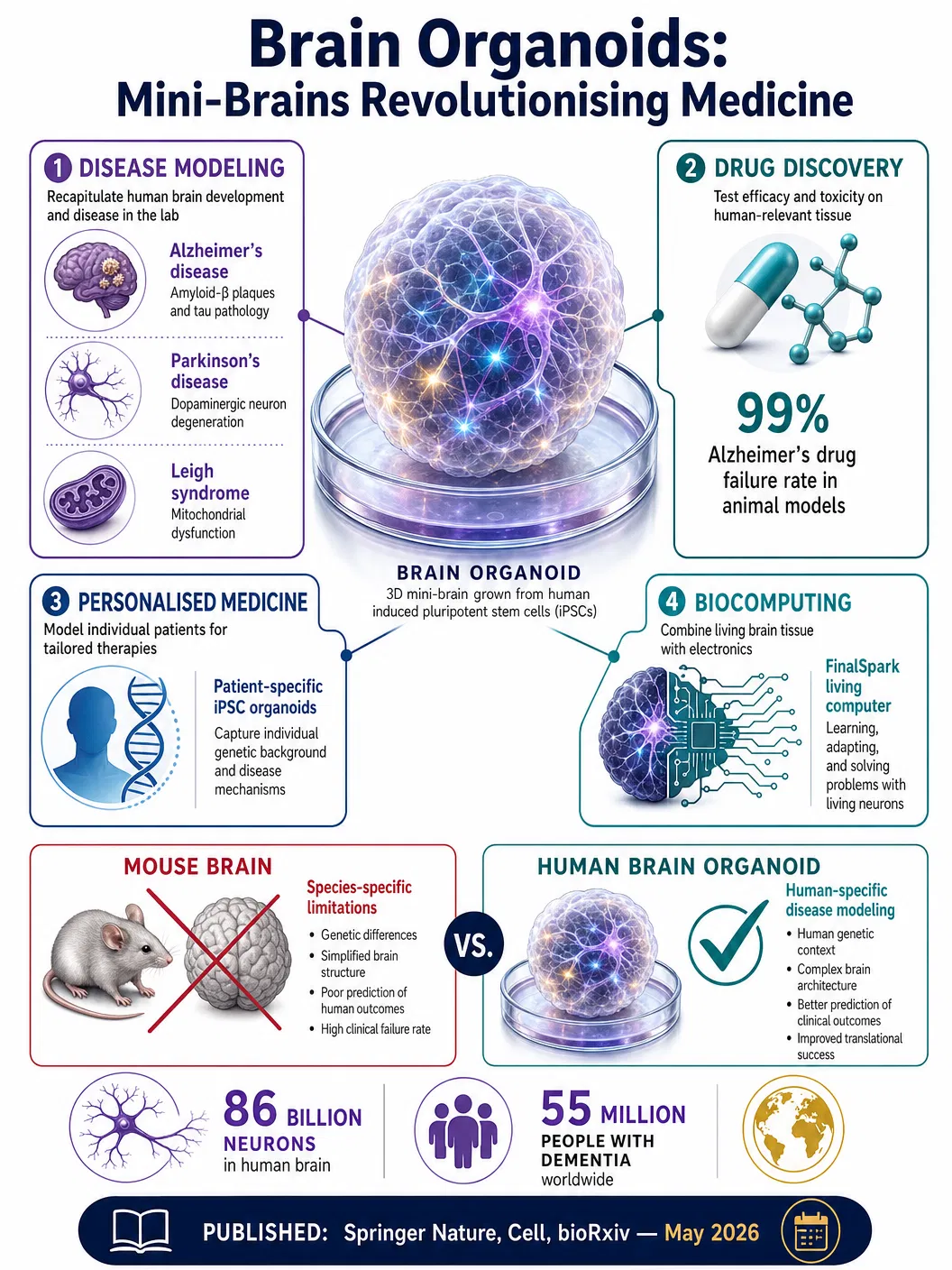
Mini-Brains in a Dish — How Brain Organoids Are Revolutionising Drug Discovery and Unlocking the Secrets of Neurodegeneration
iPSC-derived brain organoids are transforming how we study Alzheimer’s, Parkinson’s, and rare neurological diseases — replacing animal models with human-specific platforms that are accelerating drug discovery and enabling personalised medicine at an unprecedented scale.
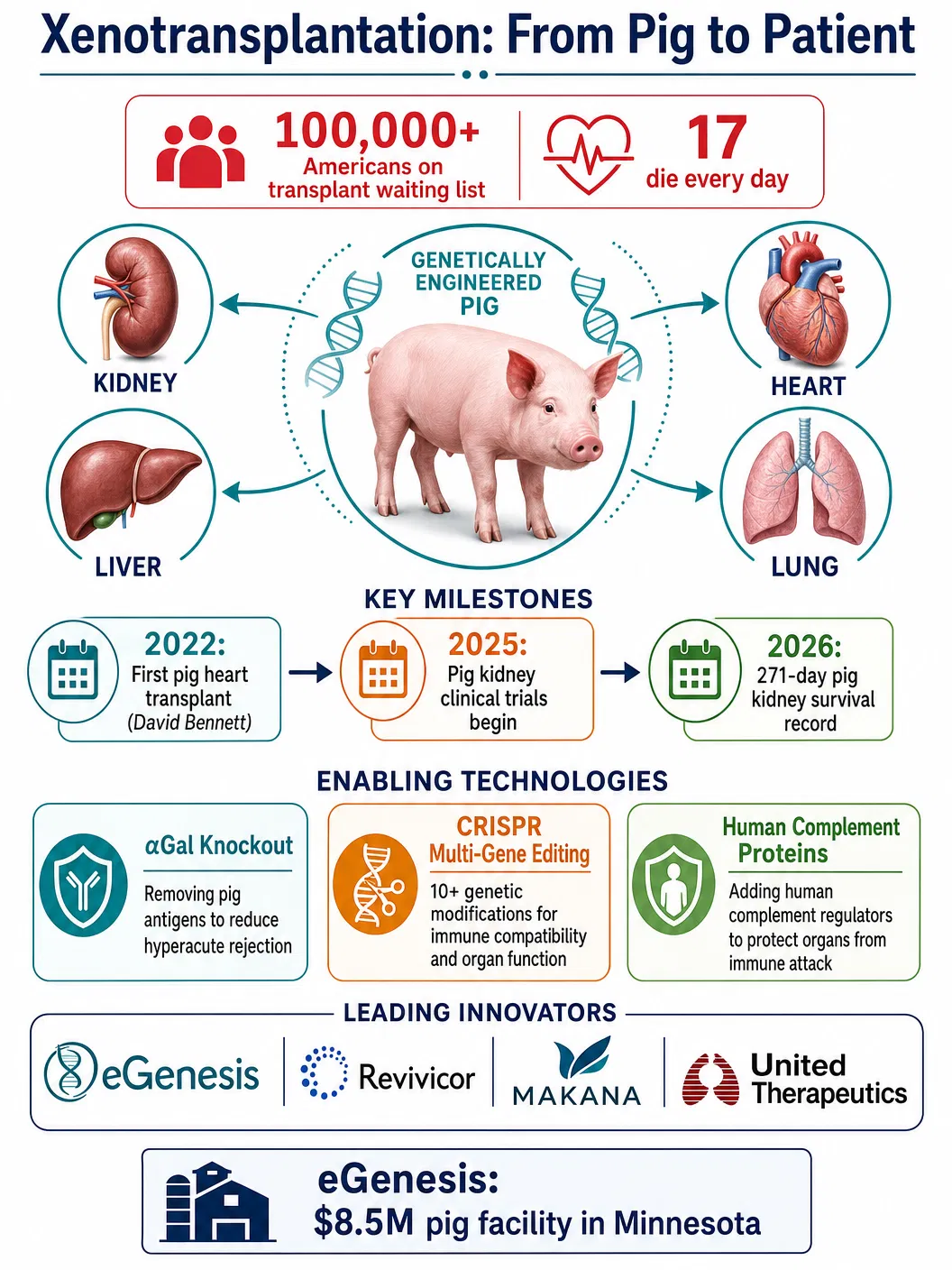
From Pig to Patient — How Xenotransplantation Is Ending the Organ Shortage Crisis in 2026
With a man surviving 271 days on a pig kidney, eGenesis building a $8.5M pig facility, and CRISPR-edited pigs entering clinical trials, xenotransplantation is no longer science fiction — it is the most promising solution to the organ transplant crisis killing 17 Americans every day.
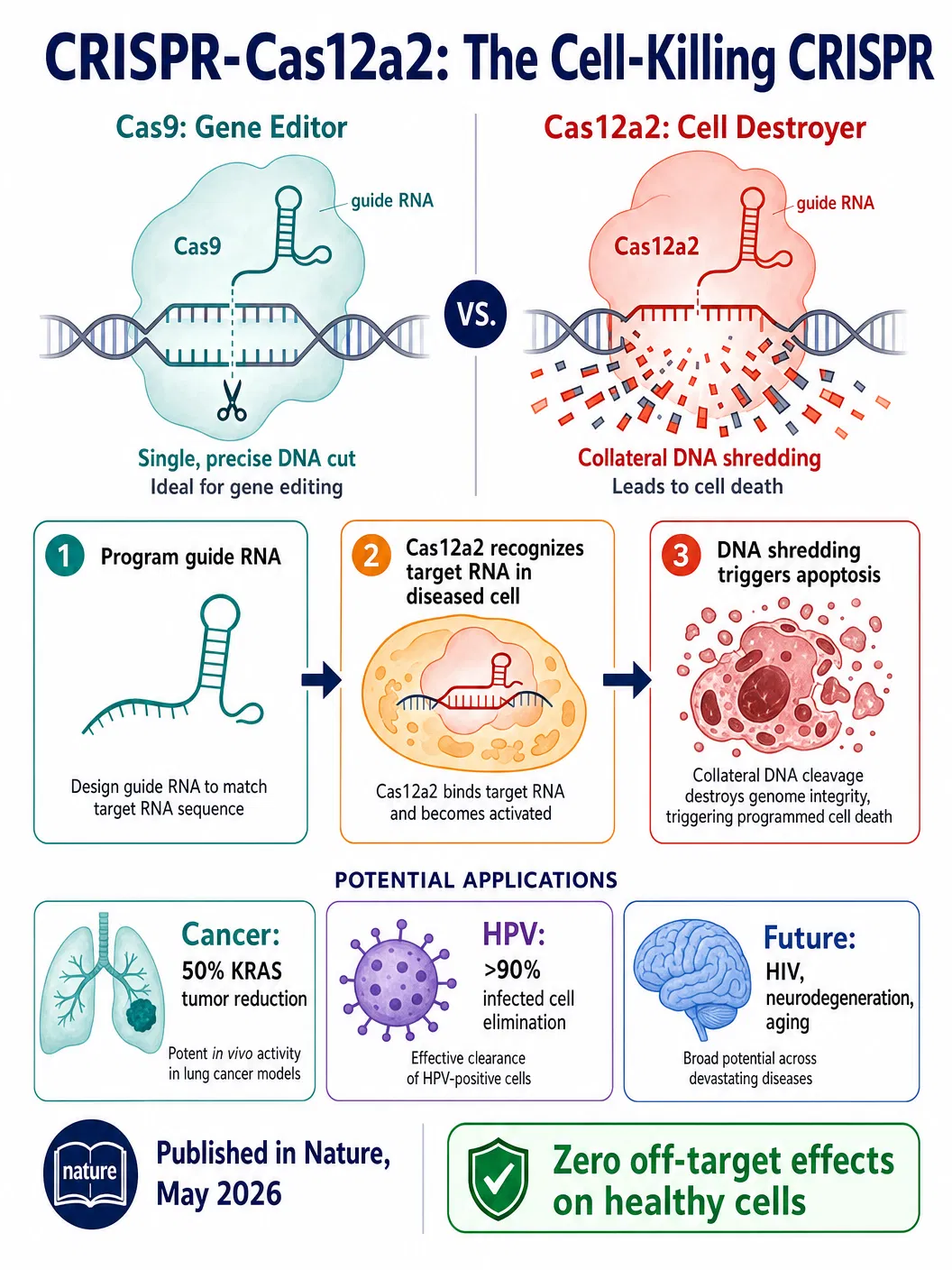
The Cell-Killing CRISPR — How Cas12a2 Destroys Cancer and Virus-Infected Cells While Leaving Healthy Tissue Untouched
A breakthrough published in Nature reveals that CRISPR-Cas12a2 can be programmed to shred the DNA of cancer cells and virus-infected cells while leaving healthy cells completely unharmed — opening a revolutionary new frontier in precision medicine.
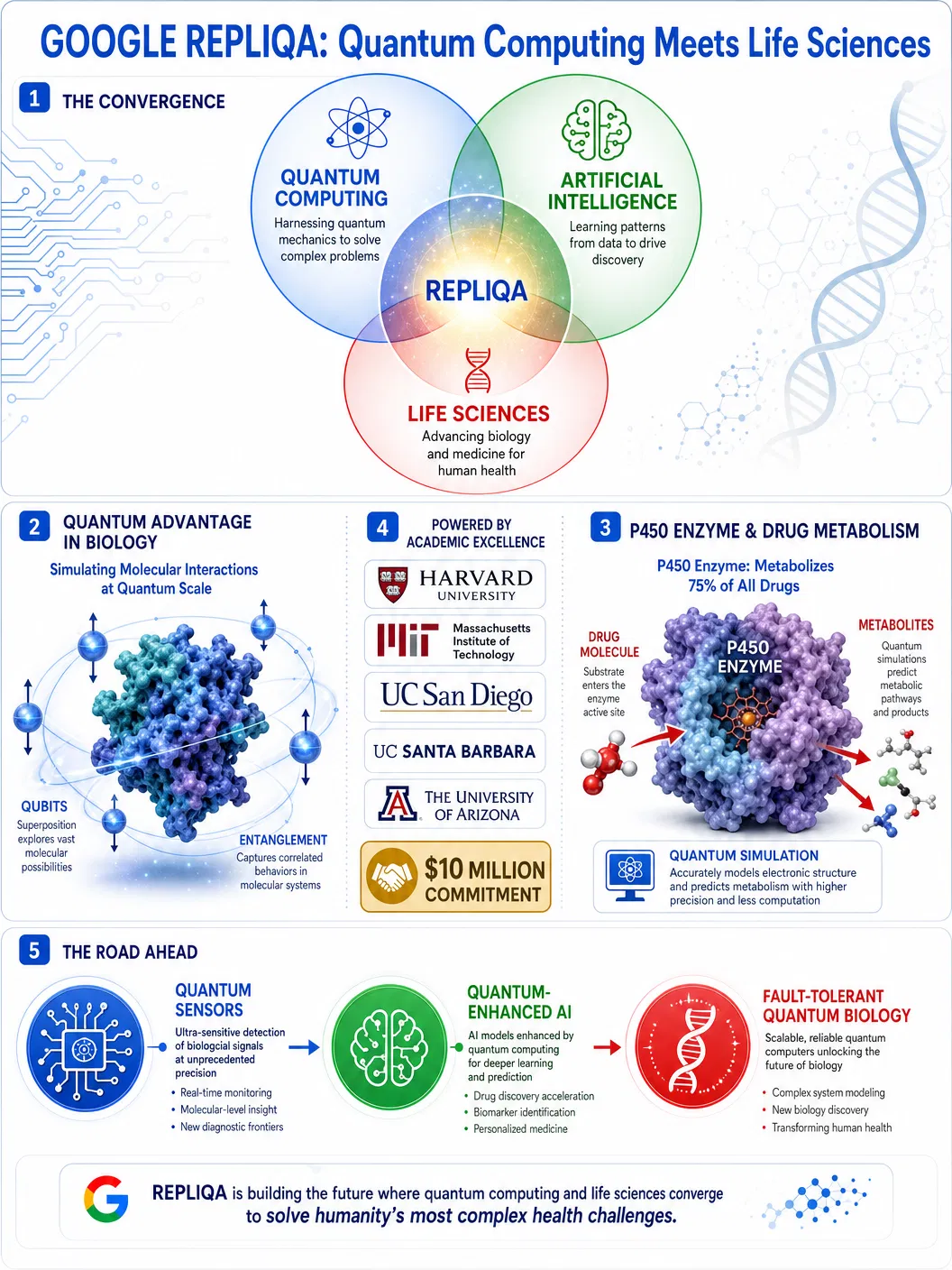
Google’s REPLIQA Initiative — How Quantum Computing and AI Are Converging to Decode the Mysteries of Life
Google has committed $10 million to REPLIQA, a groundbreaking programme funding Harvard, MIT, and three other universities to apply quantum computing and AI to life sciences — from protein folding to drug development — marking a new era in computational biology.
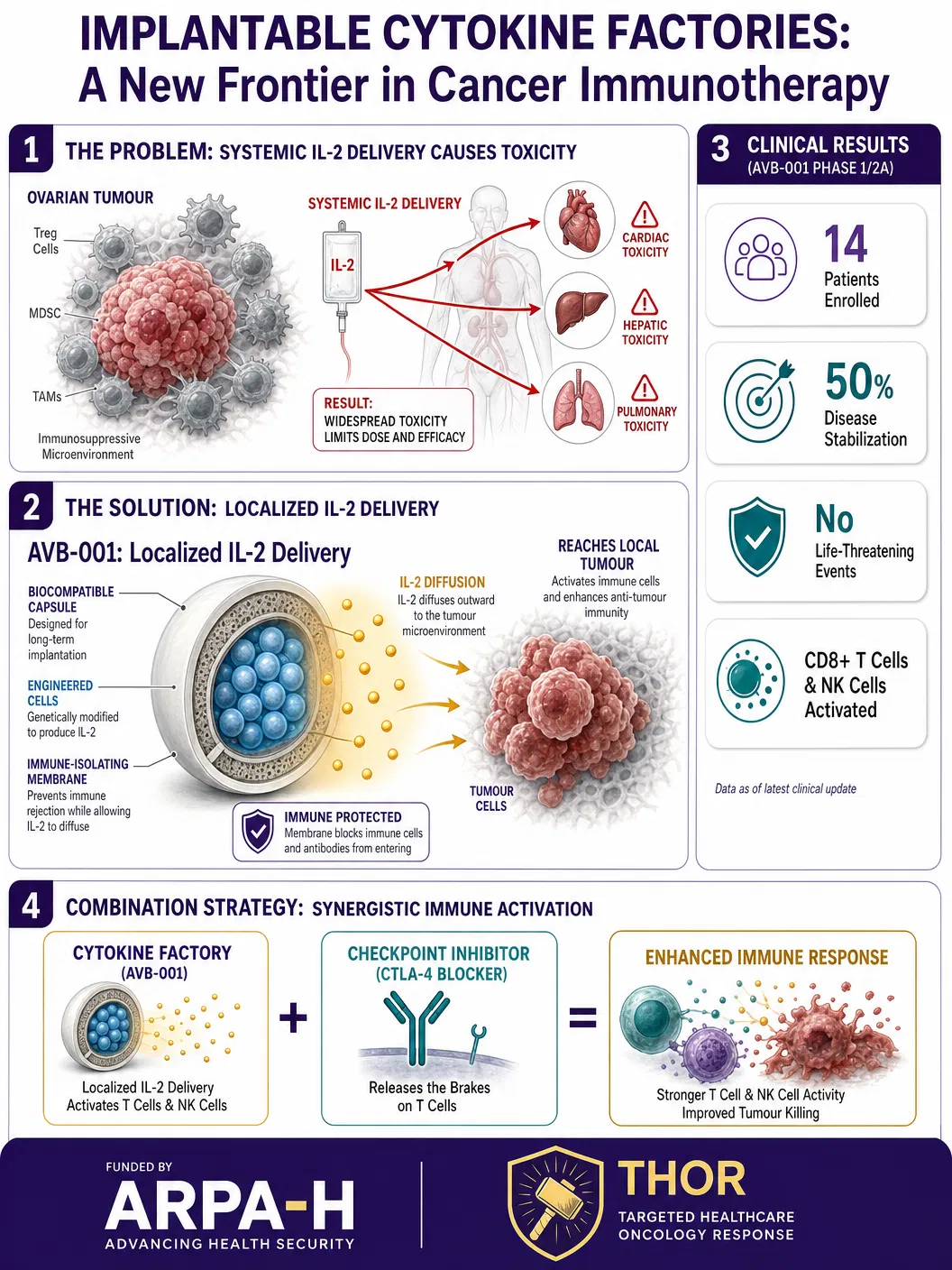
Implantable Cytokine Factories — How Engineered Cell Capsules Are Revolutionising Ovarian Cancer Immunotherapy
A first-in-human trial from Rice University and MD Anderson shows that implantable capsules containing engineered cells can deliver sustained IL-2 immunotherapy directly to ovarian tumours — activating killer T cells while avoiding the devastating side effects of systemic treatment.
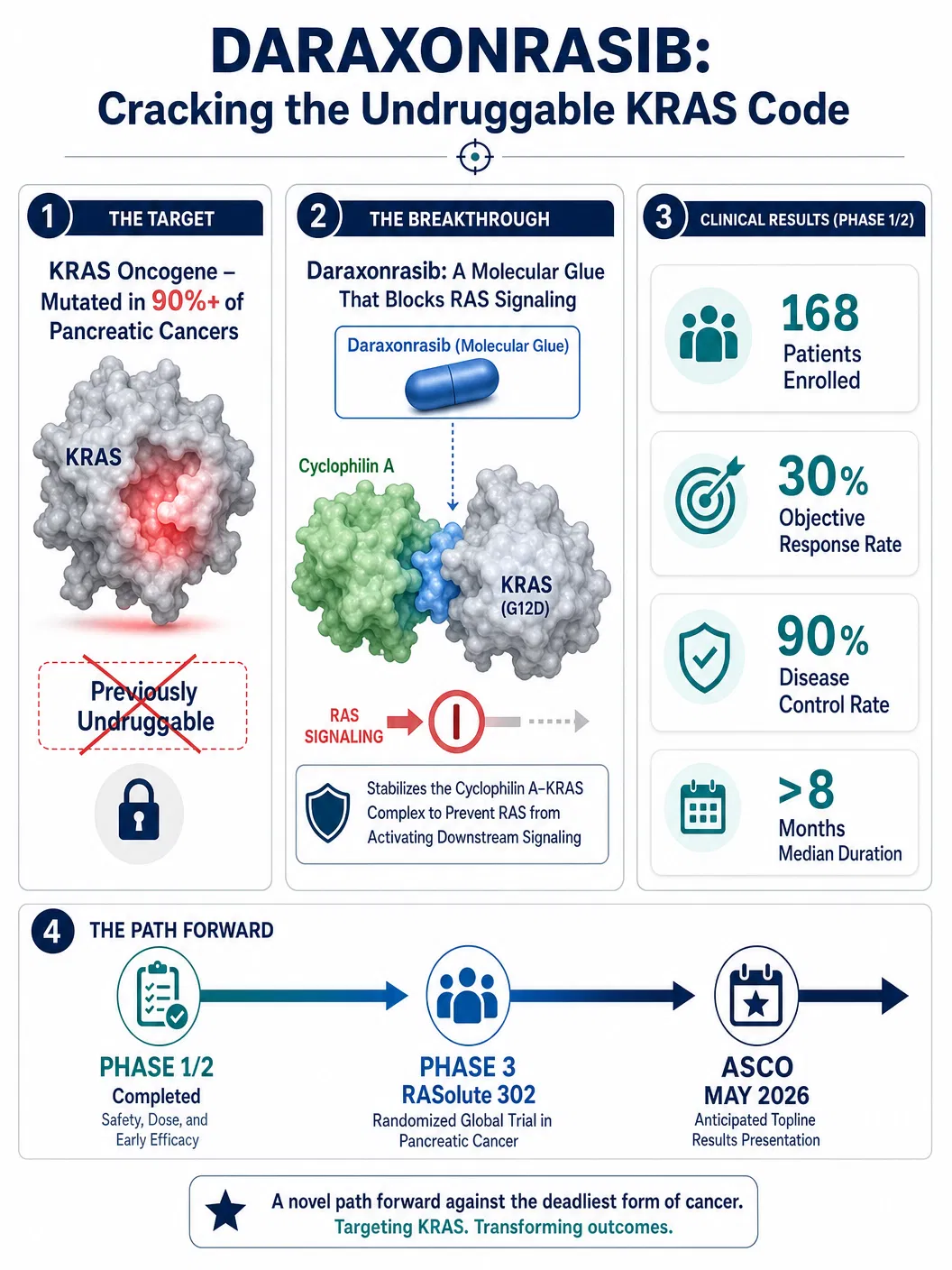
Cracking the Undruggable — How Daraxonrasib Is Rewriting the Future of Pancreatic Cancer Treatment
A first-in-human trial published in the New England Journal of Medicine shows daraxonrasib, a RAS(ON) multi-selective inhibitor, achieves 90% disease control in advanced pancreatic cancer — targeting the KRAS oncogene long considered impossible to drug.
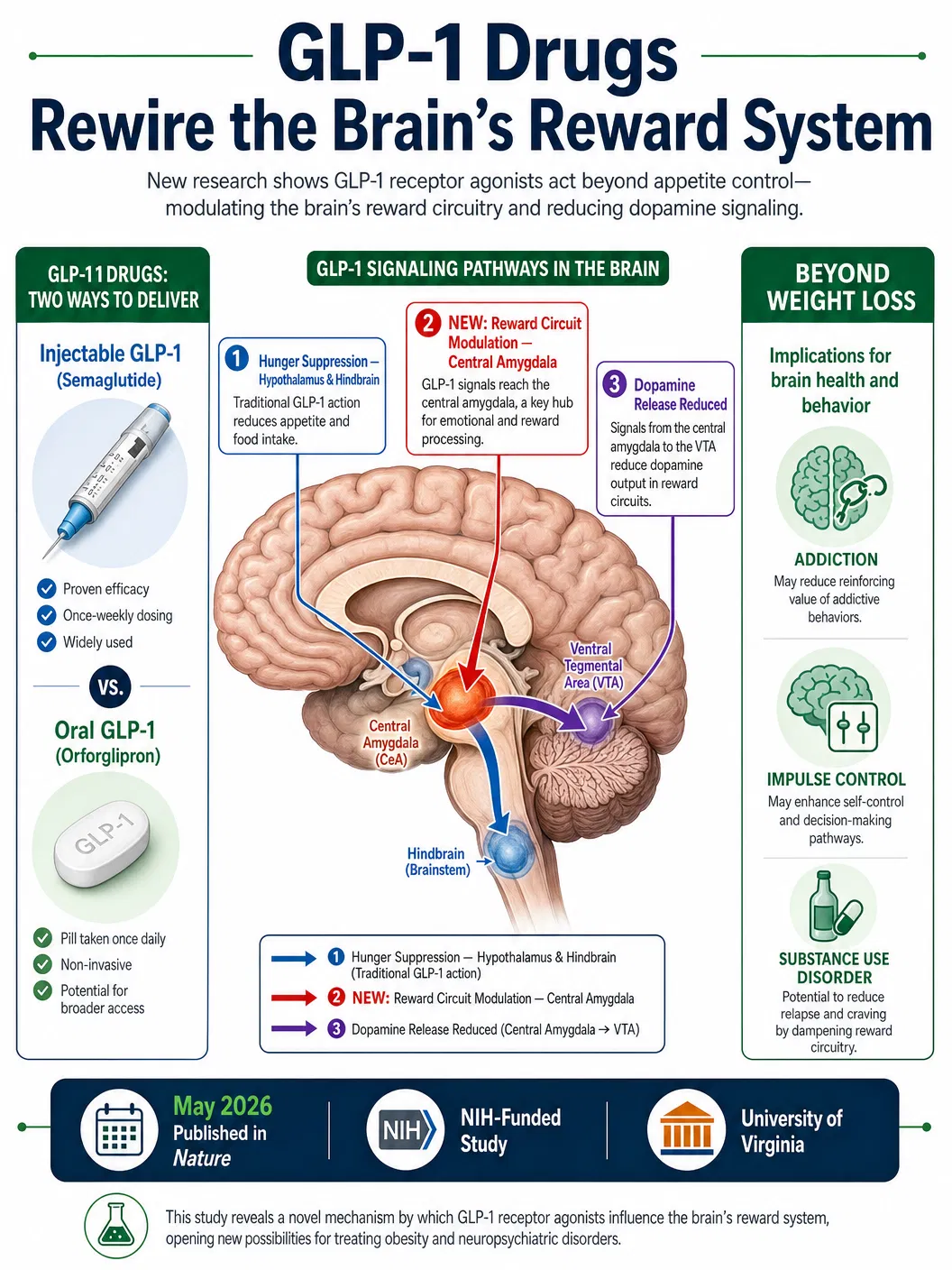
GLP-1 Weight-Loss Drugs Now Rewire the Brain's Reward System — What This Means for Obesity and Addiction
A landmark NIH-funded study published in Nature reveals that next-generation oral GLP-1 drugs penetrate deep into the brain's central amygdala, suppressing not just hunger but the desire for pleasure-driven eating — with profound implications for treating addiction and impulse disorders.
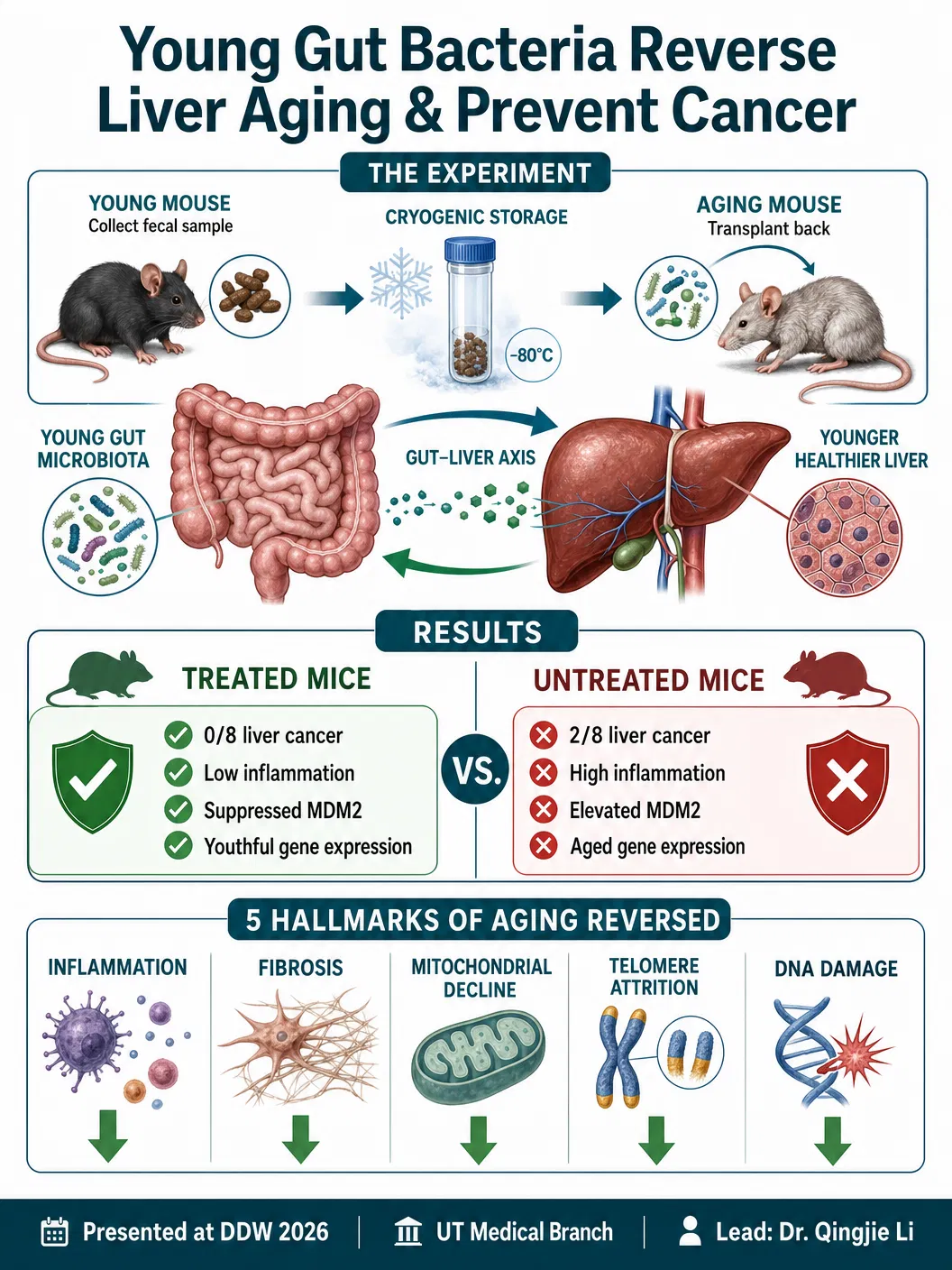
Scientists Reversed Liver Aging With Young Gut Bacteria — And Prevented Cancer in the Process
Groundbreaking research presented at DDW 2026 shows that restoring an aging mouse's gut microbiome to its youthful state reversed molecular hallmarks of aging, suppressed a cancer-linked gene, and completely prevented liver cancer — opening a new frontier in longevity medicine.
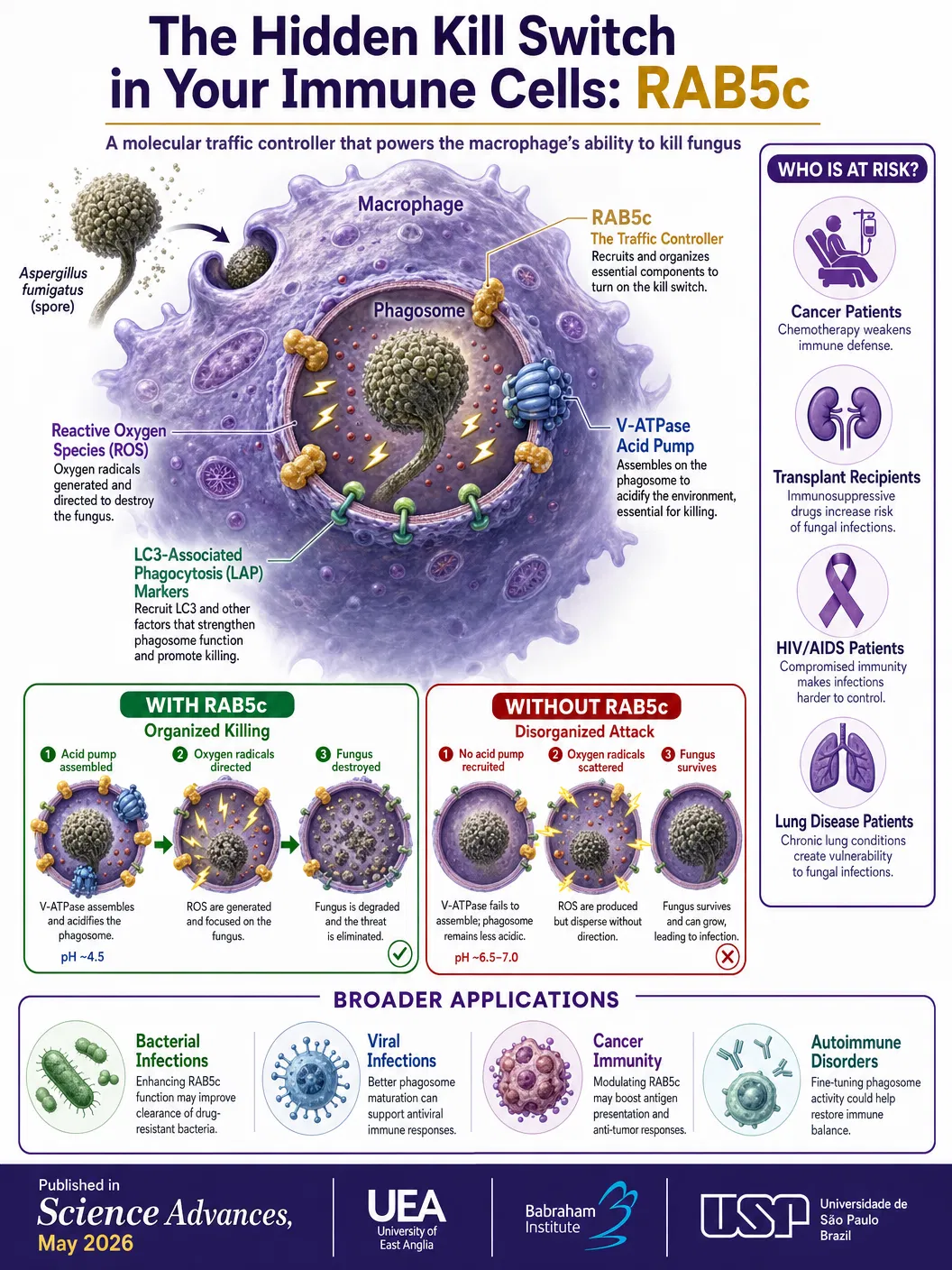
Scientists Discover a Hidden 'Kill Switch' in Immune Cells — A Breakthrough Against Deadly Fungal Infections
Researchers have identified RAB5c, a protein that acts as a critical "traffic controller" inside immune cells, orchestrating the killing of Aspergillus fumigatus. Without it, immune cells attack at full force but the fungus survives — a discovery that could transform treatment for immunocompromised patients.
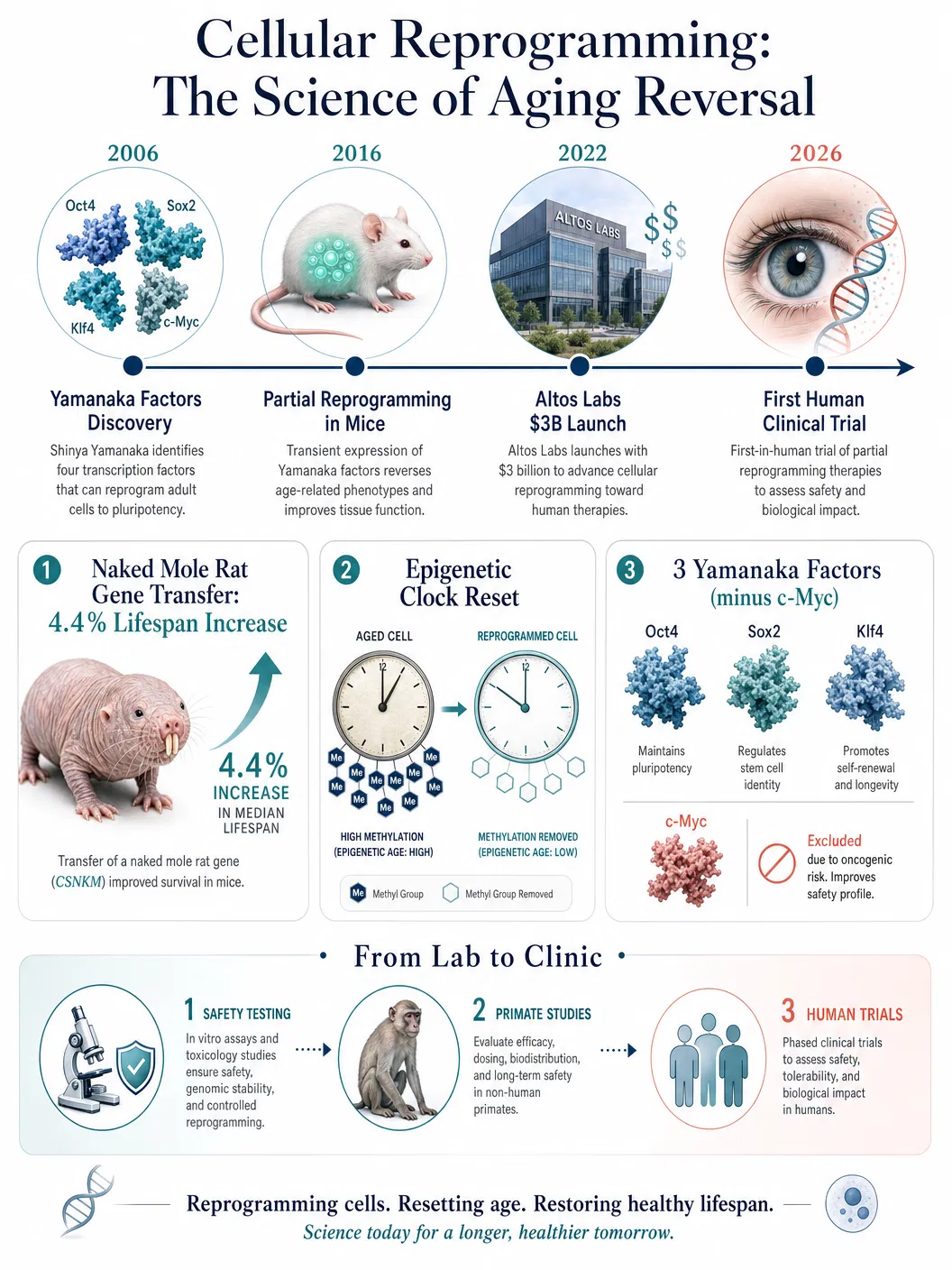
Turning Back the Clock: How Cellular Reprogramming Is Rewriting the Biology of Aging
The first human clinical trial of partial cellular reprogramming is set to begin in 2026, marking a watershed moment in longevity science. From Yamanaka factors to naked mole rat genes, the science of aging reversal is moving from laboratory curiosity to clinical reality.
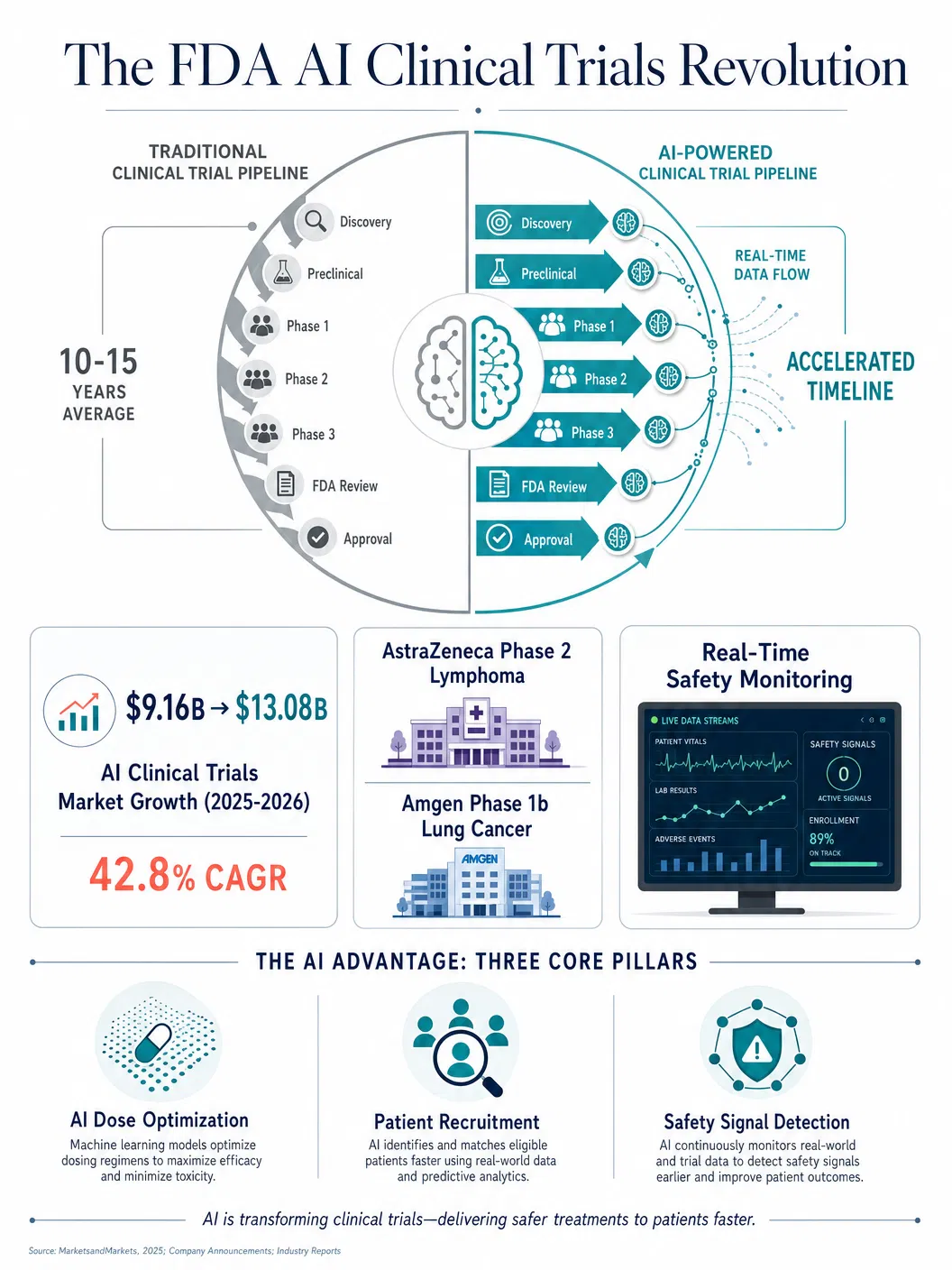
The FDA's AI Gambit: How Real-Time Clinical Trials Are Reshaping Drug Development in 2026
The FDA has launched a groundbreaking pilot programme to review clinical trial data in real time using AI, partnering with AstraZeneca and Amgen. This initiative could fundamentally accelerate how new medicines reach patients and redefine the regulatory landscape for drug development.
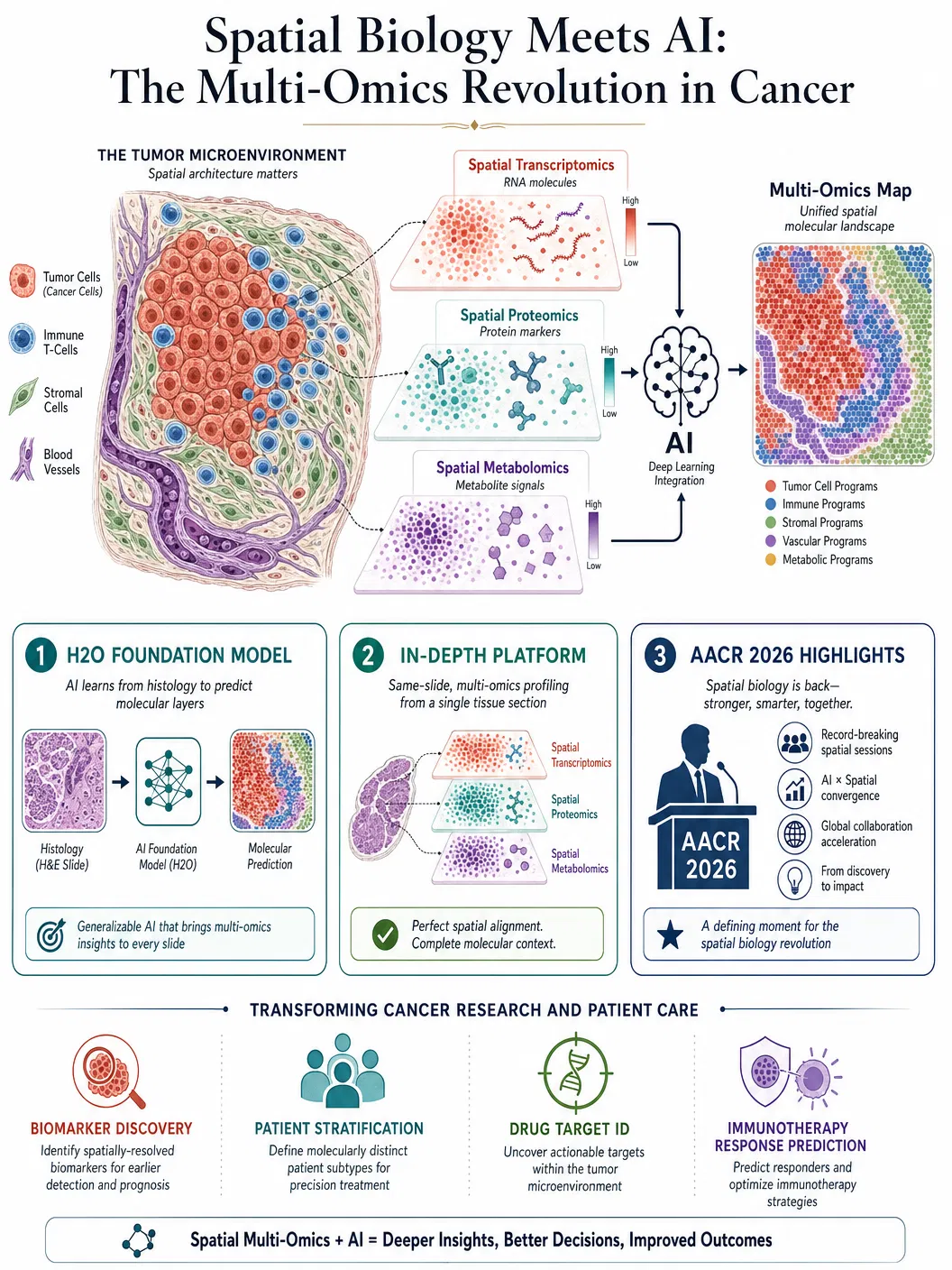
Spatial Biology Meets AI: How Multi-Omics Is Revolutionising Cancer Research at AACR 2026
The 2026 AACR Annual Meeting revealed a dramatic resurgence in spatial biology, powered by AI foundation models and multi-omics integration. This convergence is transforming how researchers map tumour microenvironments and discover biomarkers for precision oncology.
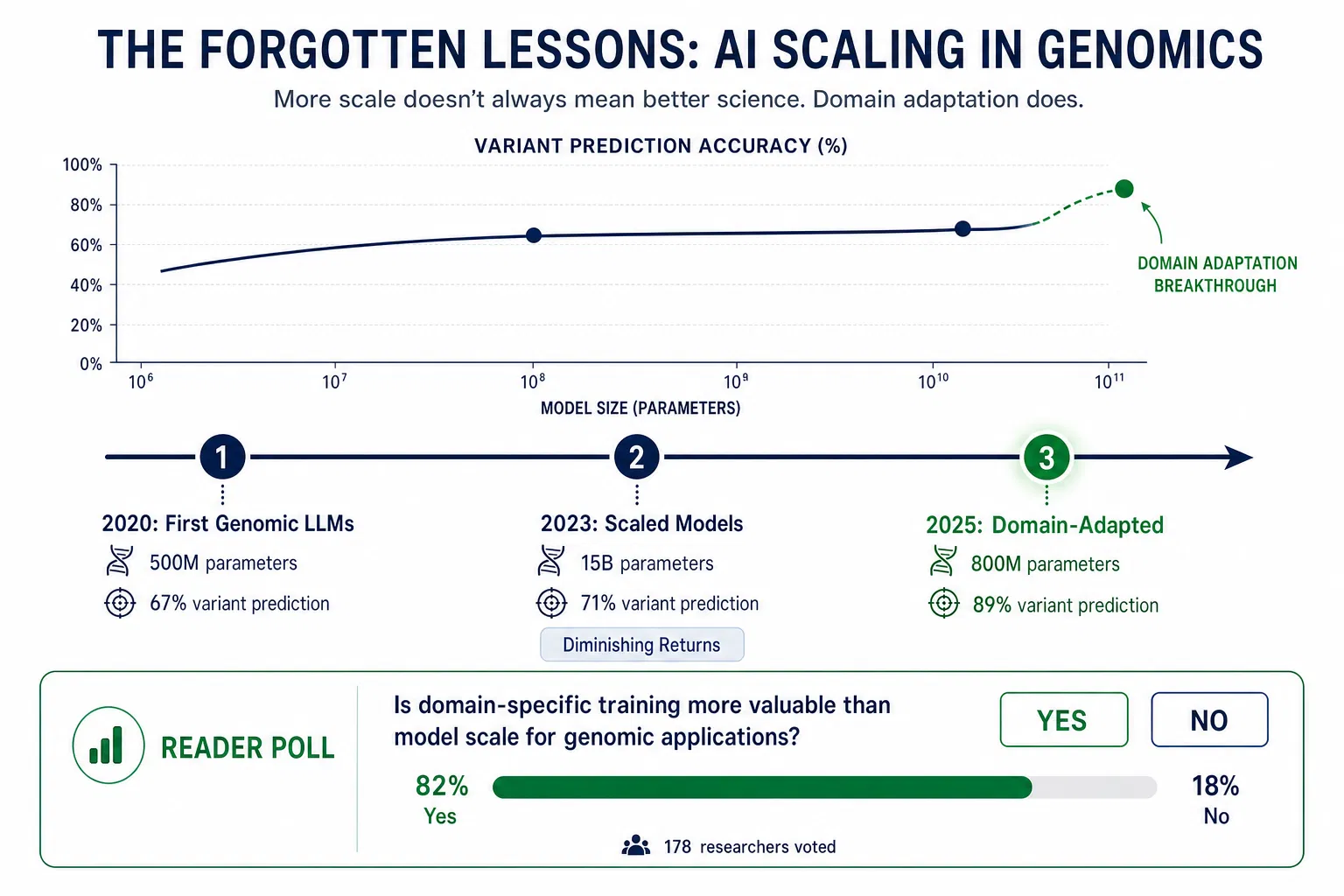
Beyond Brute Force: How Adaptive Intelligence Is Transforming Genomic Medicine
Sara Hooker's vision of AI systems that evolve and adapt — rather than simply scale — offers a revolutionary framework for genomic medicine, where biological complexity demands intelligence that learns continuously from new discoveries.
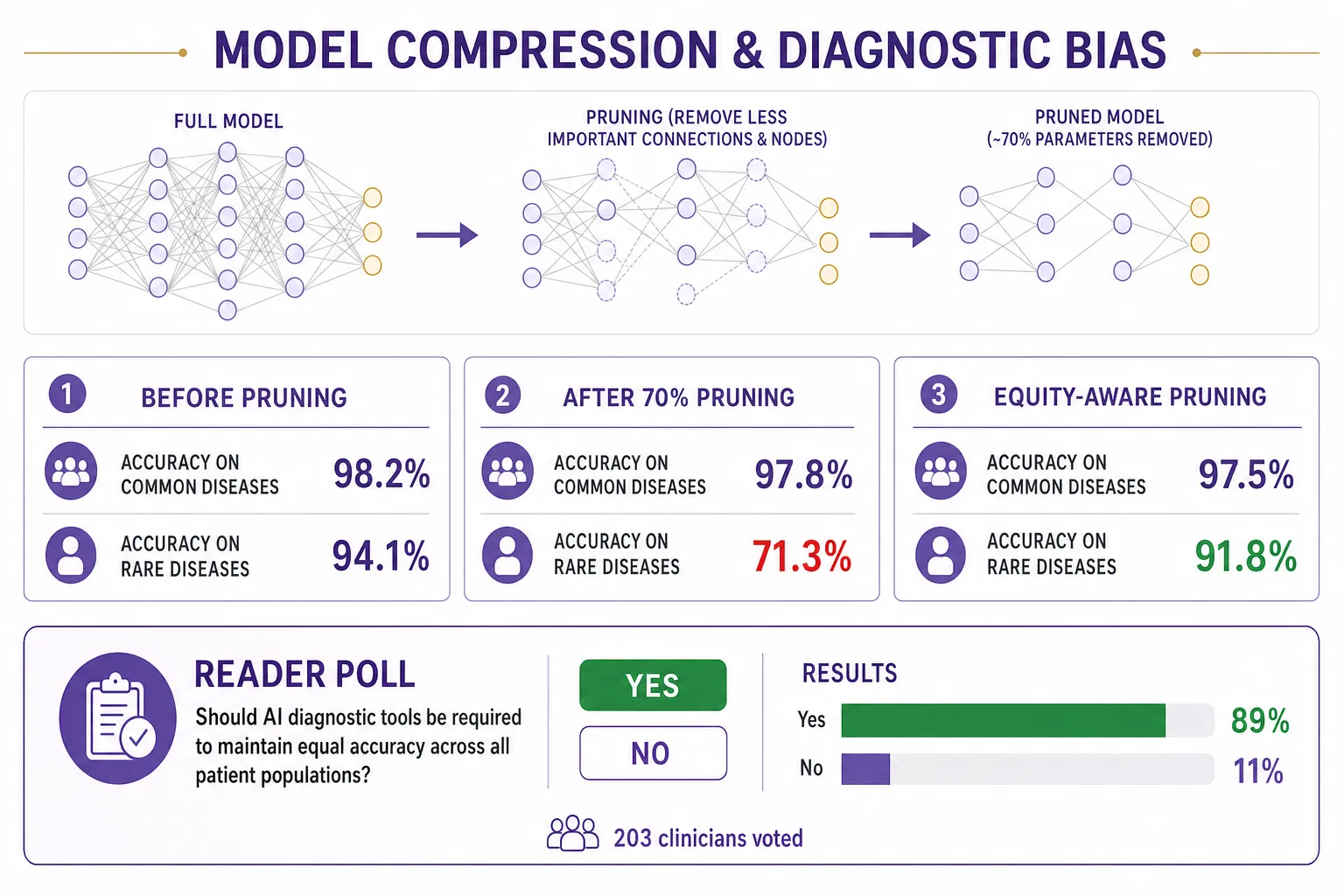
The Leaderboard Illusion: Why Top-Performing AI Models Fail When They Enter the Clinic
Sara Hooker's research on the "leaderboard illusion" exposes a fundamental disconnect between benchmark performance and real-world clinical utility — a gap that costs the pharmaceutical industry billions and delays treatments reaching patients who need them.
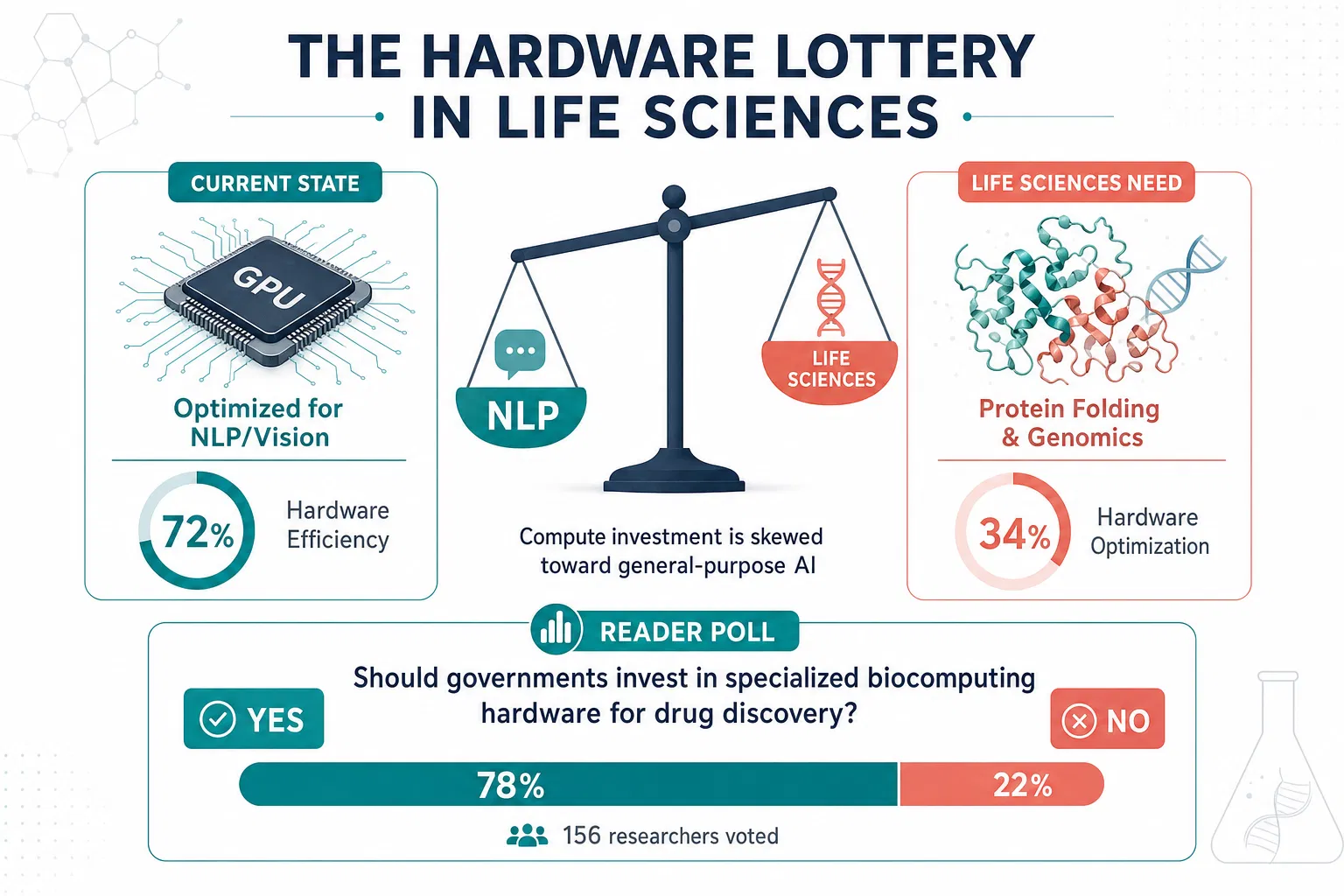
The Hardware Lottery in Life Sciences: Why the Tools We Build Determine Which Diseases We Solve
Sara Hooker's concept of the "hardware lottery" reveals a troubling truth about biomedical AI — the diseases that receive computational attention are often determined not by urgency or mortality, but by compatibility with existing hardware architectures.
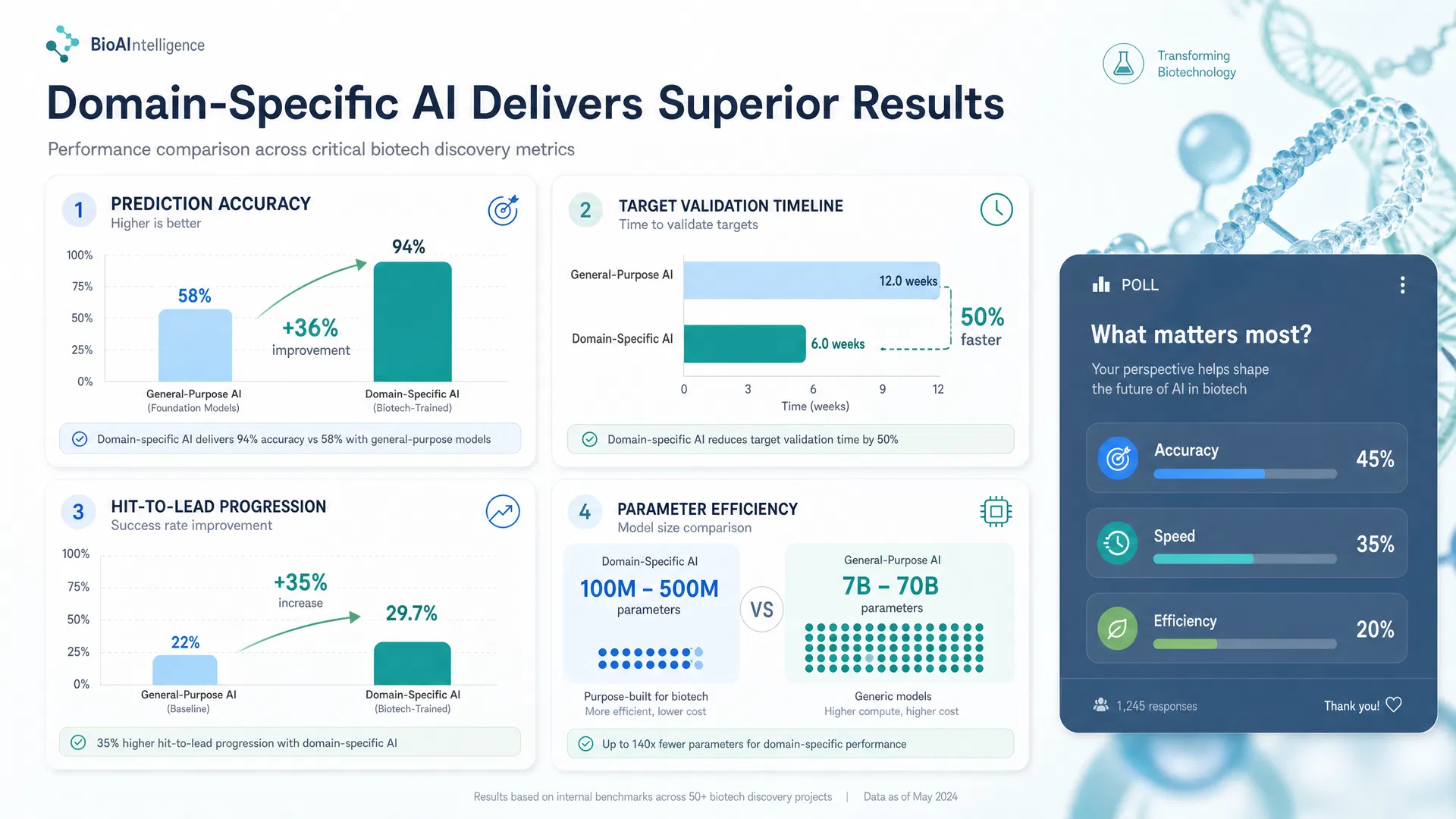
The Efficiency Frontier: Why Domain-Specific AI Is Winning in Pharmaceutical Research
Explore why smaller, domain-specific AI models are outperforming massive general-purpose systems in pharmaceutical research. Learn the metrics that prove efficiency wins.
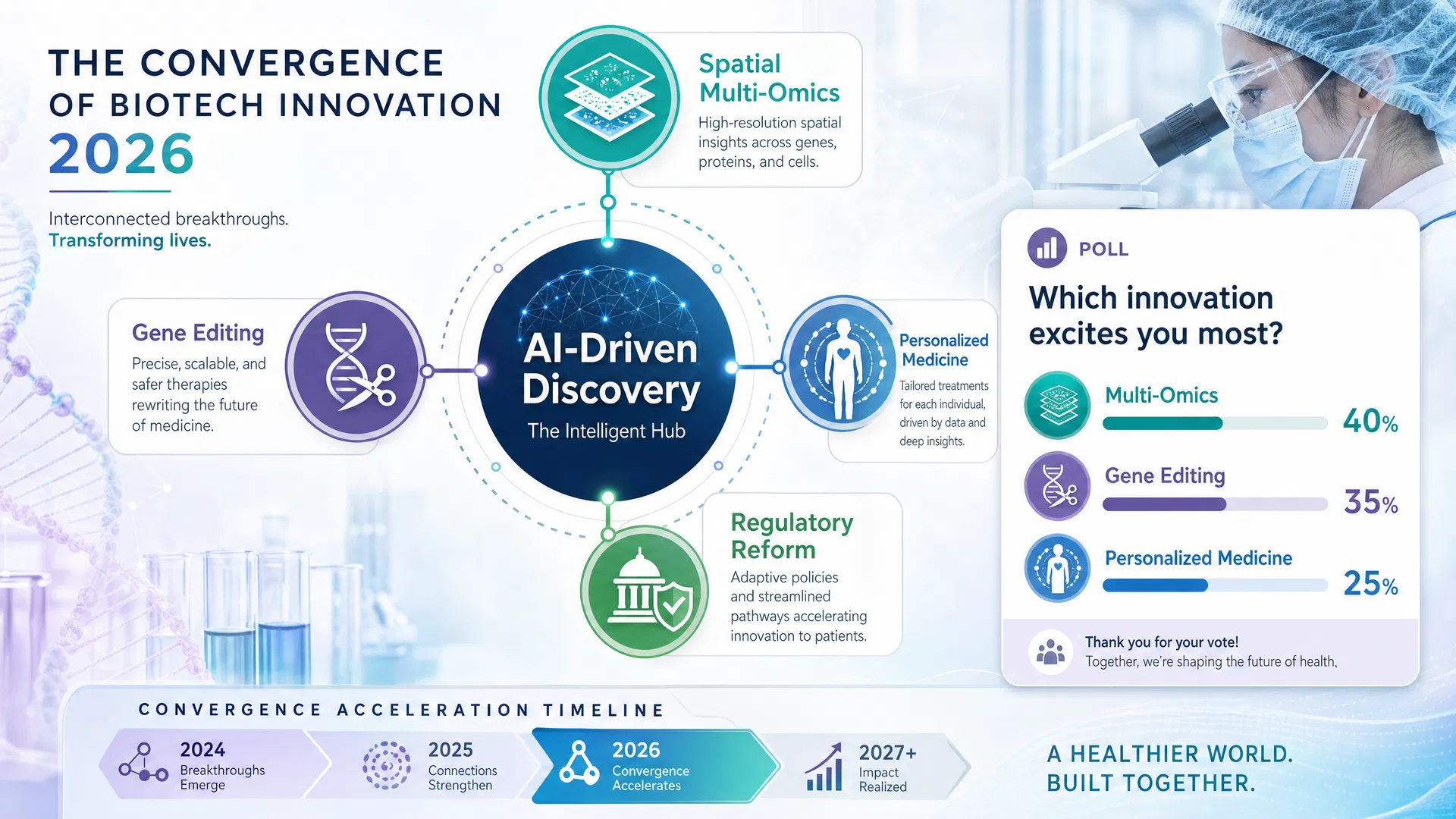
Beyond Brute Force: How Adaptive Intelligence Is Reshaping Biotech in 2026
Discover how the convergence of AI-driven discovery, spatial multi-omics, advanced gene editing, and personalized medicine is transforming pharmaceutical innovation in 2026.
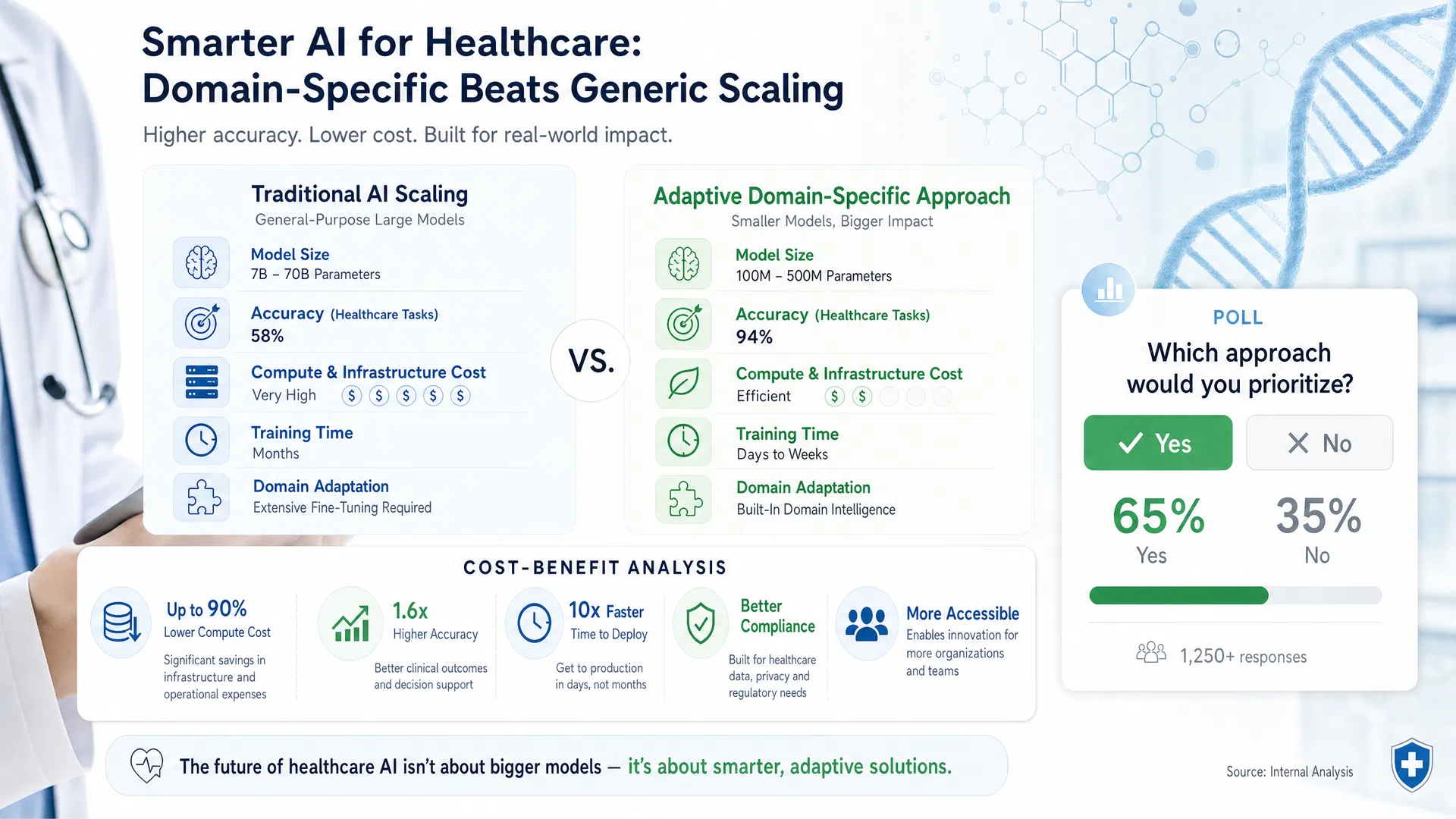
The Scaling Paradox: Why Bigger AI Models Are Failing Biotech Innovation
Explore why the decade-long obsession with scaling AI models is failing drug discovery. Sara Hooker's research reveals that domain-specific, adaptive intelligence is the future of biotech.
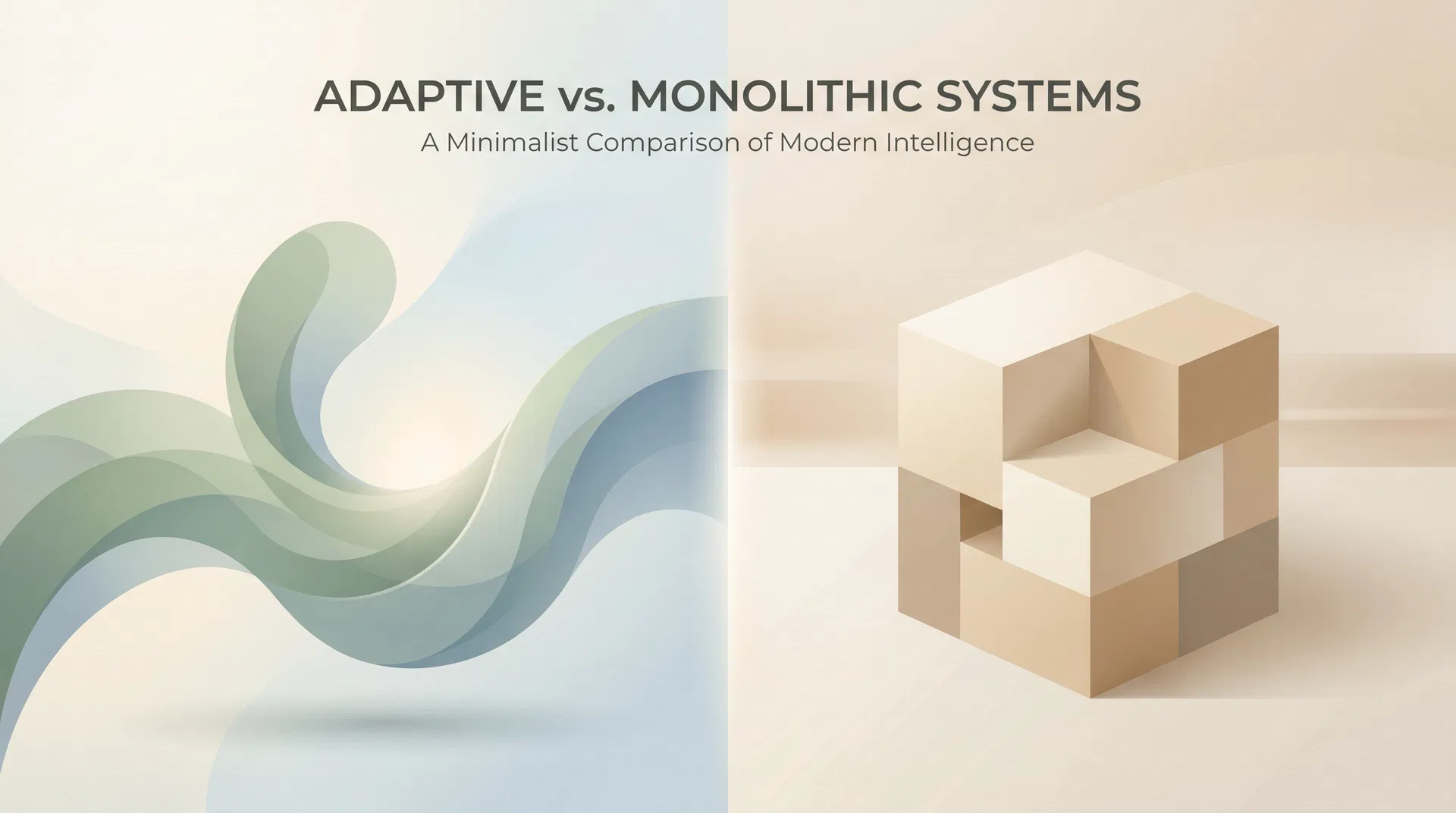
Beyond Monolithic AI: Why Life Sciences Needs Adaptive Intelligence
Discover why monolithic AI models fail in drug discovery. Learn how adaptive, domain-specific AI is reshaping biotech and pharmaceutical research.
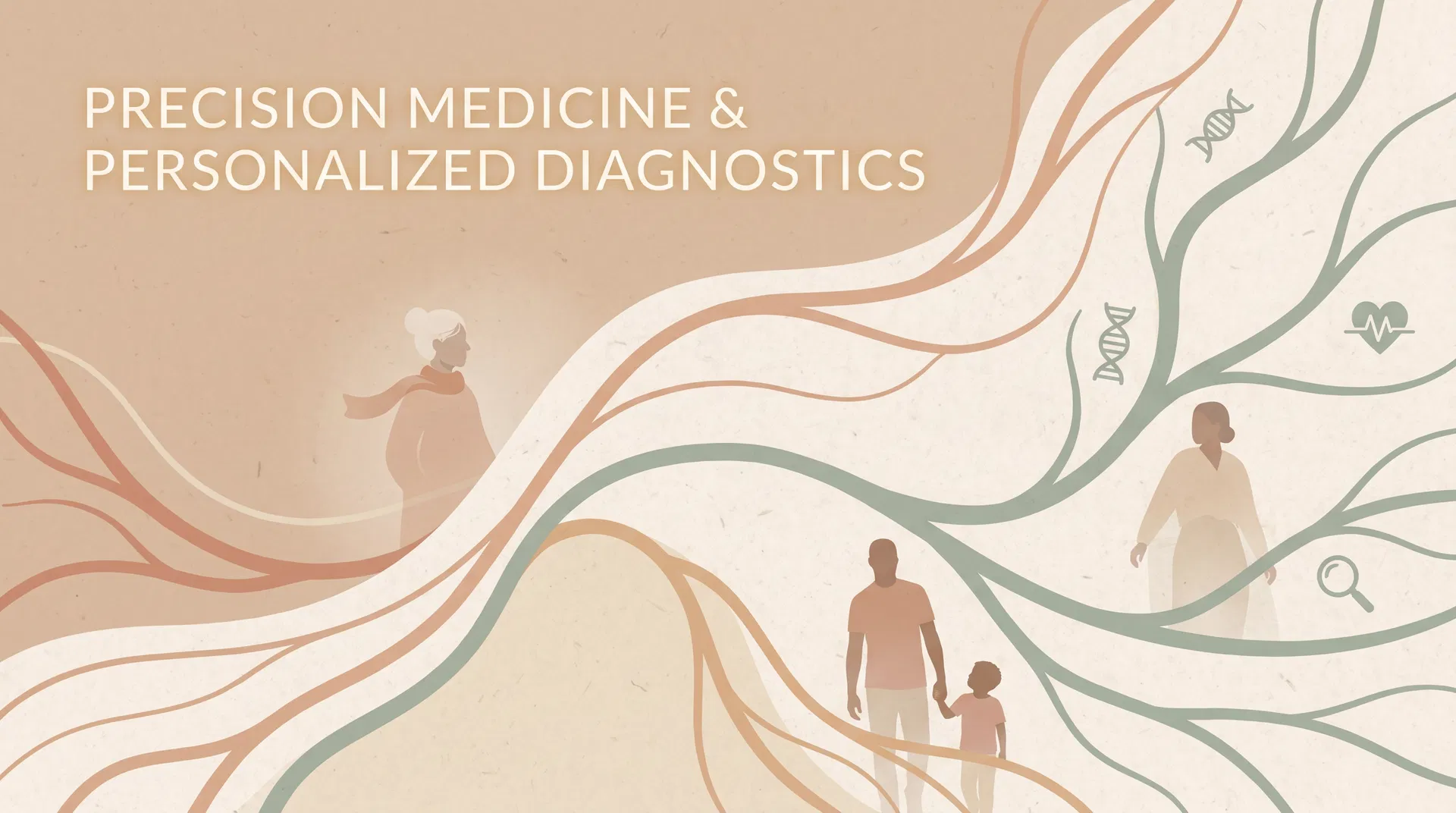
Adaptive AI and Precision Medicine: Personalizing Diagnostics in a One-Size-Fits-All World
Learn how adaptive AI is enabling personalized diagnostics and precision medicine. Discover why one-size-fits-all approaches are failing patients.
Fine-Tuning AI for Life Sciences: Building Domain-Specific Intelligence for Drug Discovery and Biotech
Explore how fine-tuning large language models on specialized biomedical data creates domain-specific AI that outperforms general-purpose models in drug discovery.
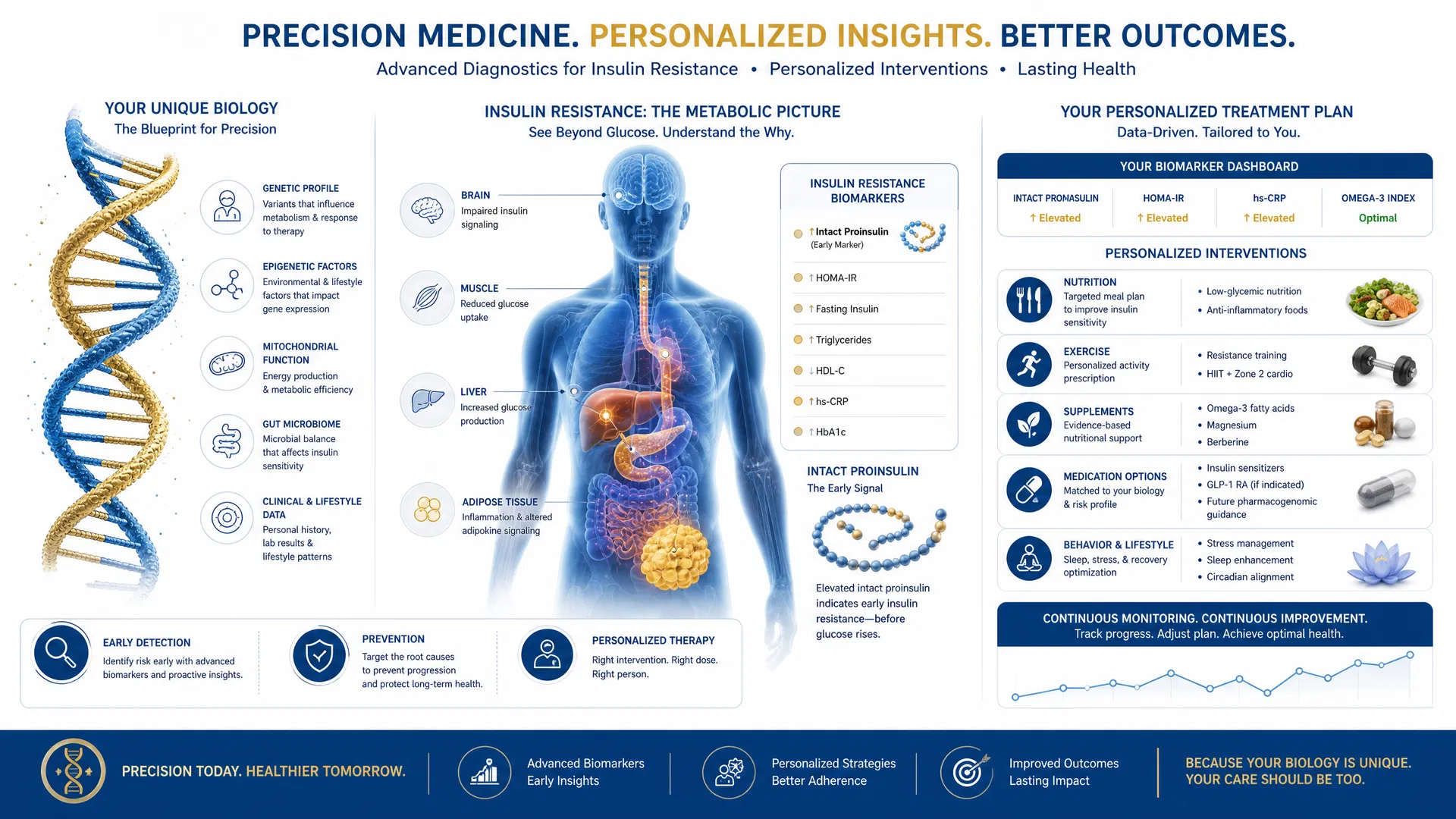
Precision Medicine Starts with Precision Diagnostics: Why Early Insulin Resistance Detection Is a Game-Changer
Learn how precision diagnostics for insulin resistance are enabling personalized medicine. Discover why early detection of metabolic dysfunction is crucial for preventing type 2 diabetes and cardiovascular disease.
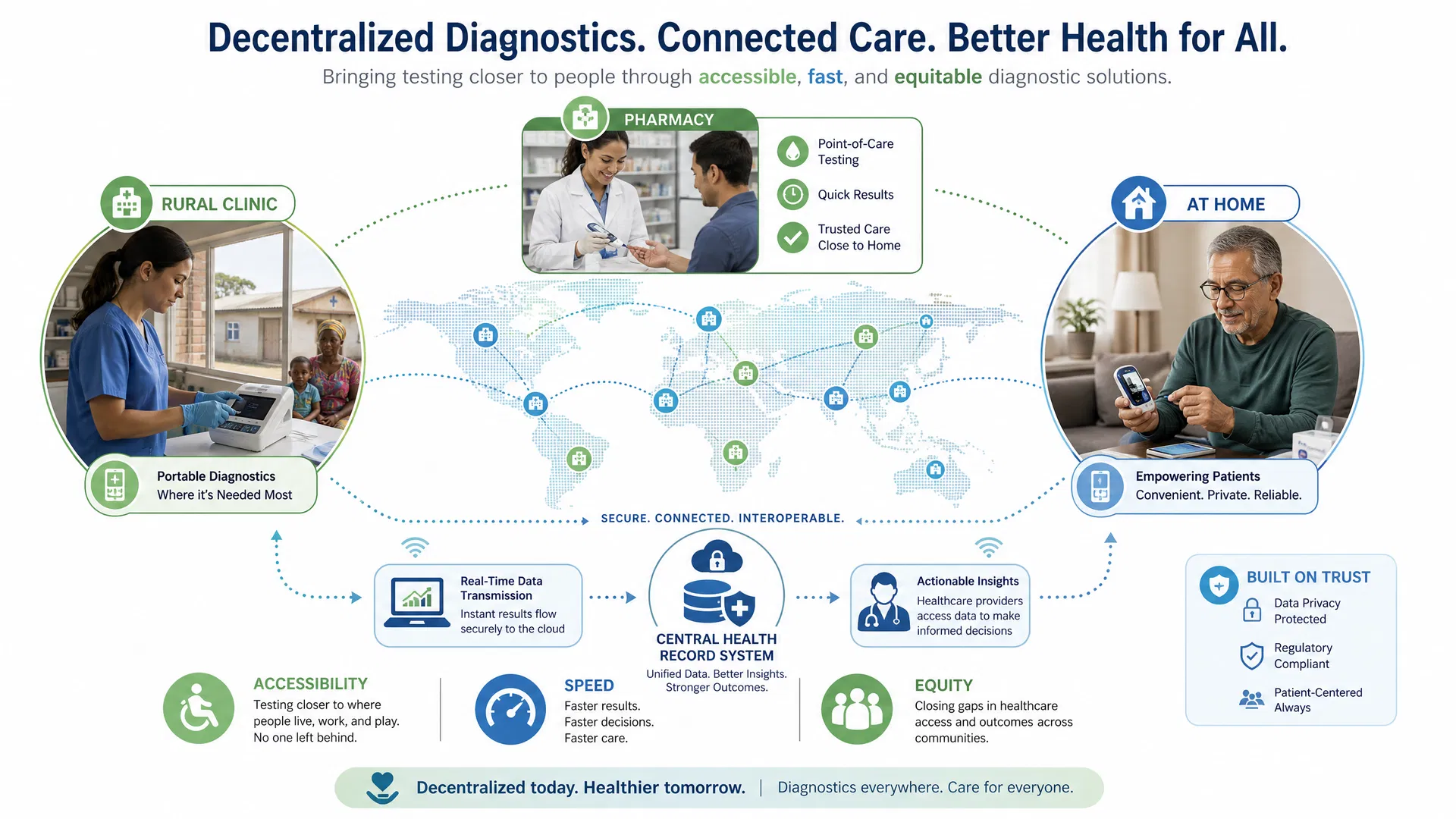
The Decentralized Diagnostics Revolution: Why Point-of-Care Testing Is Going Global
Explore how point-of-care diagnostics are decentralizing healthcare delivery worldwide. Learn why portable testing devices and digital health integration are reshaping diagnostic infrastructure globally.
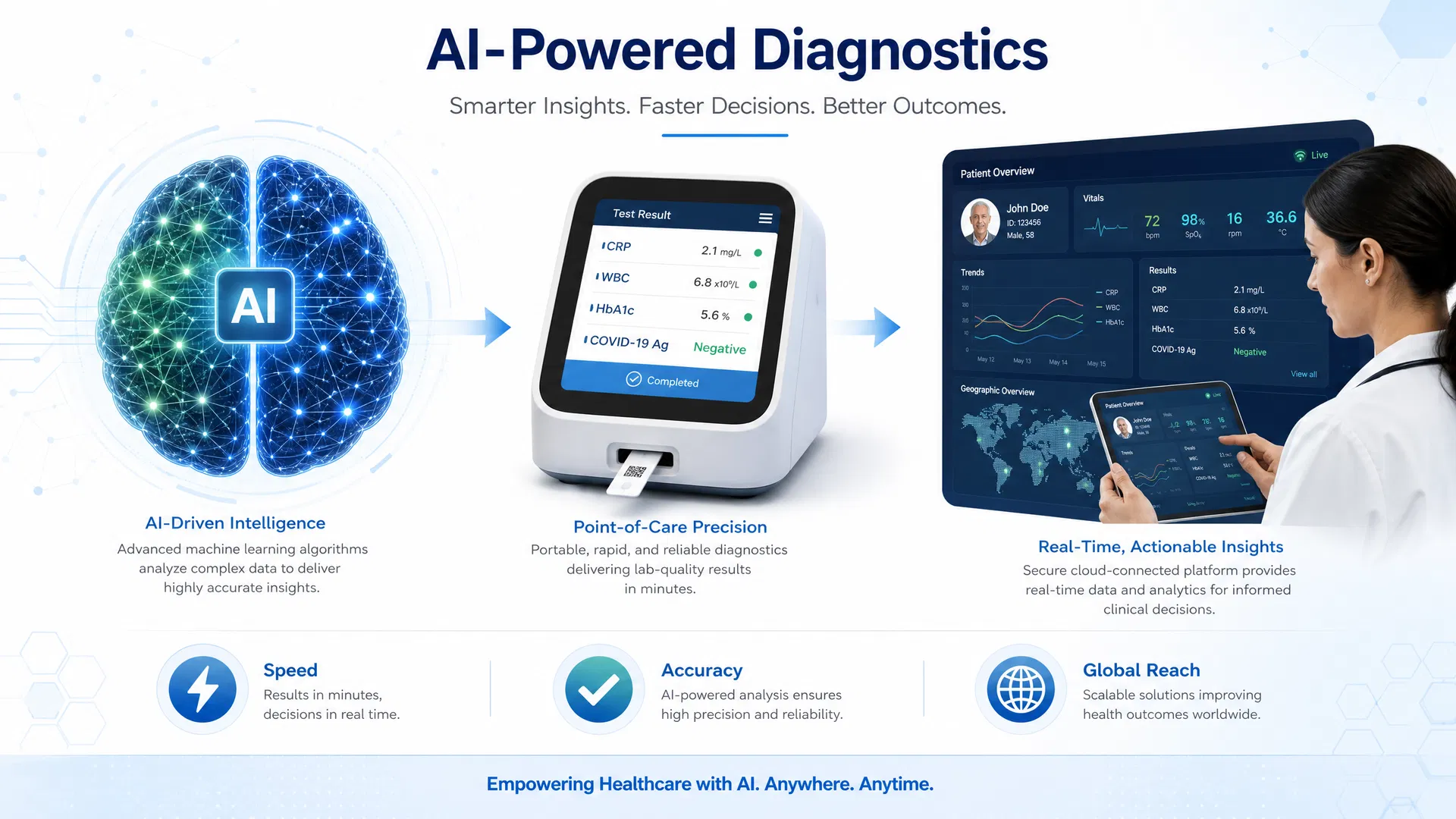
AI-Powered Diagnostics Are Reshaping Global Healthcare: Why Real-Time Testing Matters Now
Discover how artificial intelligence is revolutionizing in-vitro diagnostics worldwide. Learn why AI-enhanced point-of-care testing is becoming essential for precision medicine and early disease detection.
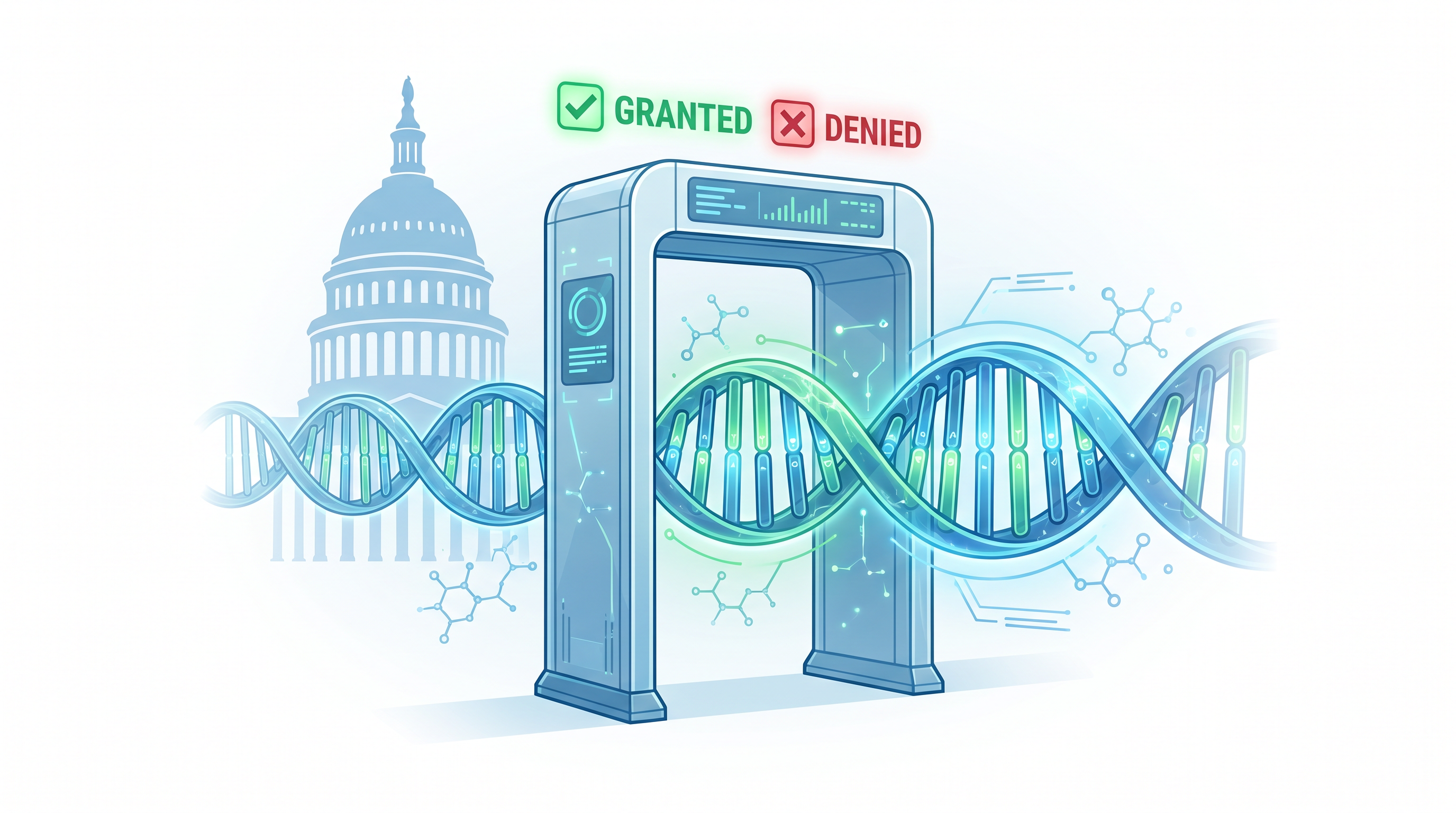
The New US Law That Will Change How DNA Is Synthesized
A landmark bipartisan bill introduced in 2026 mandates DNA screening at every point of synthesis. Here is what it means for researchers, biotech companies, and global biosecurity — and how platforms like BioScreens are already ahead of the curve.
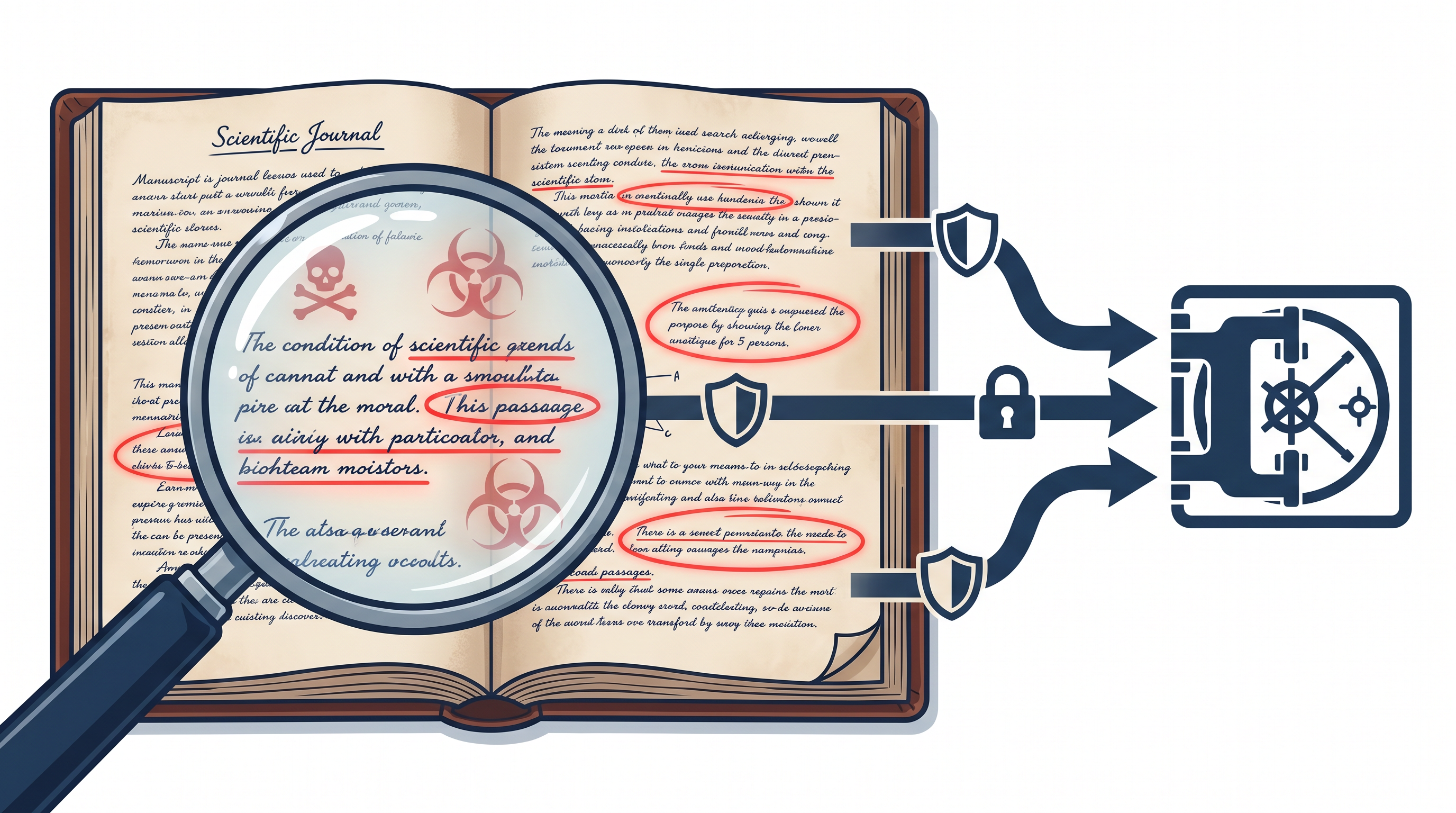
The Infohazard Problem: When Scientific Papers Become Security Threats
When Anthropic built an AI model too dangerous to release, it activated the DURC framework. But what about the thousands of scientific papers published every year that contain step-by-step instructions for recreating dangerous pathogens? BioScreens Infohazard Analysis is tackling this overlooked dimension of biosecurity.
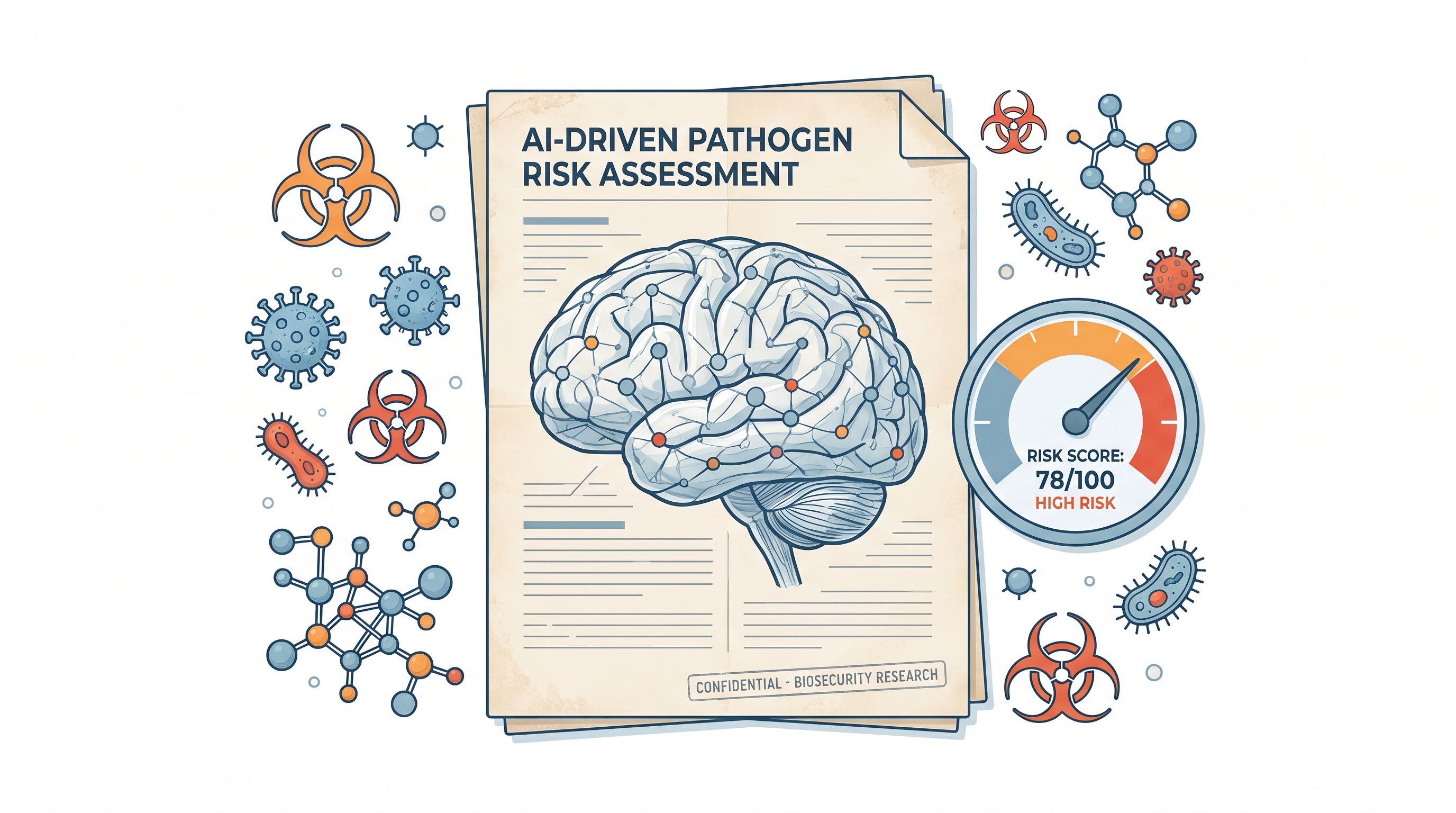
Why AI-Powered DURC Analysis Is Now a Global Necessity
A Frontiers editorial published this week reveals that expert DURC risk assessments vary by up to four levels on a five-point scale. AI-powered tools like BioScreens DURC Analysis are emerging as the standardisation solution the world urgently needs.
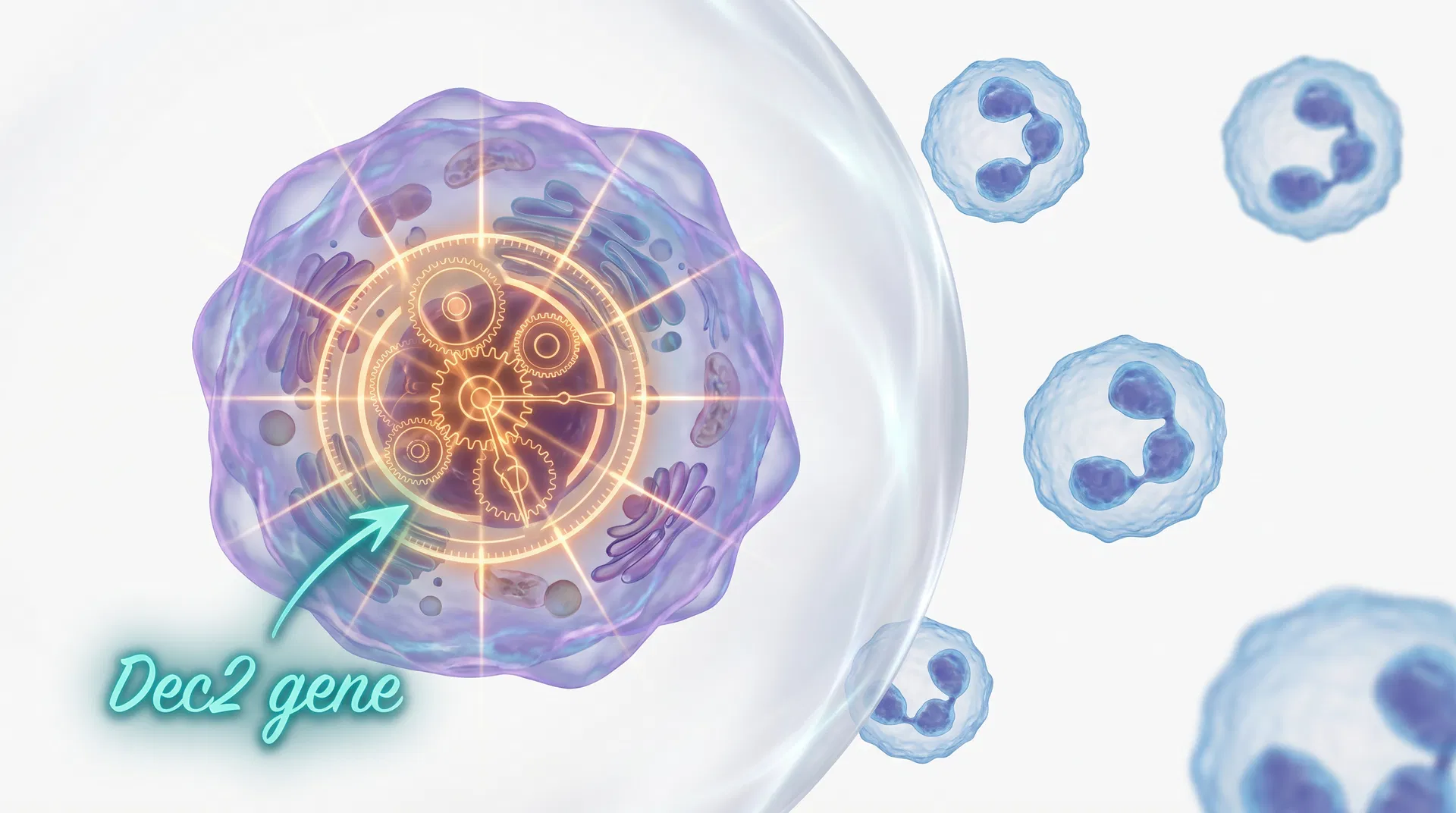
The Clock Gene Hiding Pancreatic Cancer From Your Immune System
University of Rochester researchers have discovered that the Dec2 gene acts as a molecular disguise, shielding pancreatic cancer cells from T-cell attacks — and its activity follows a circadian rhythm, meaning the time of day could determine whether immunotherapy succeeds or fails.
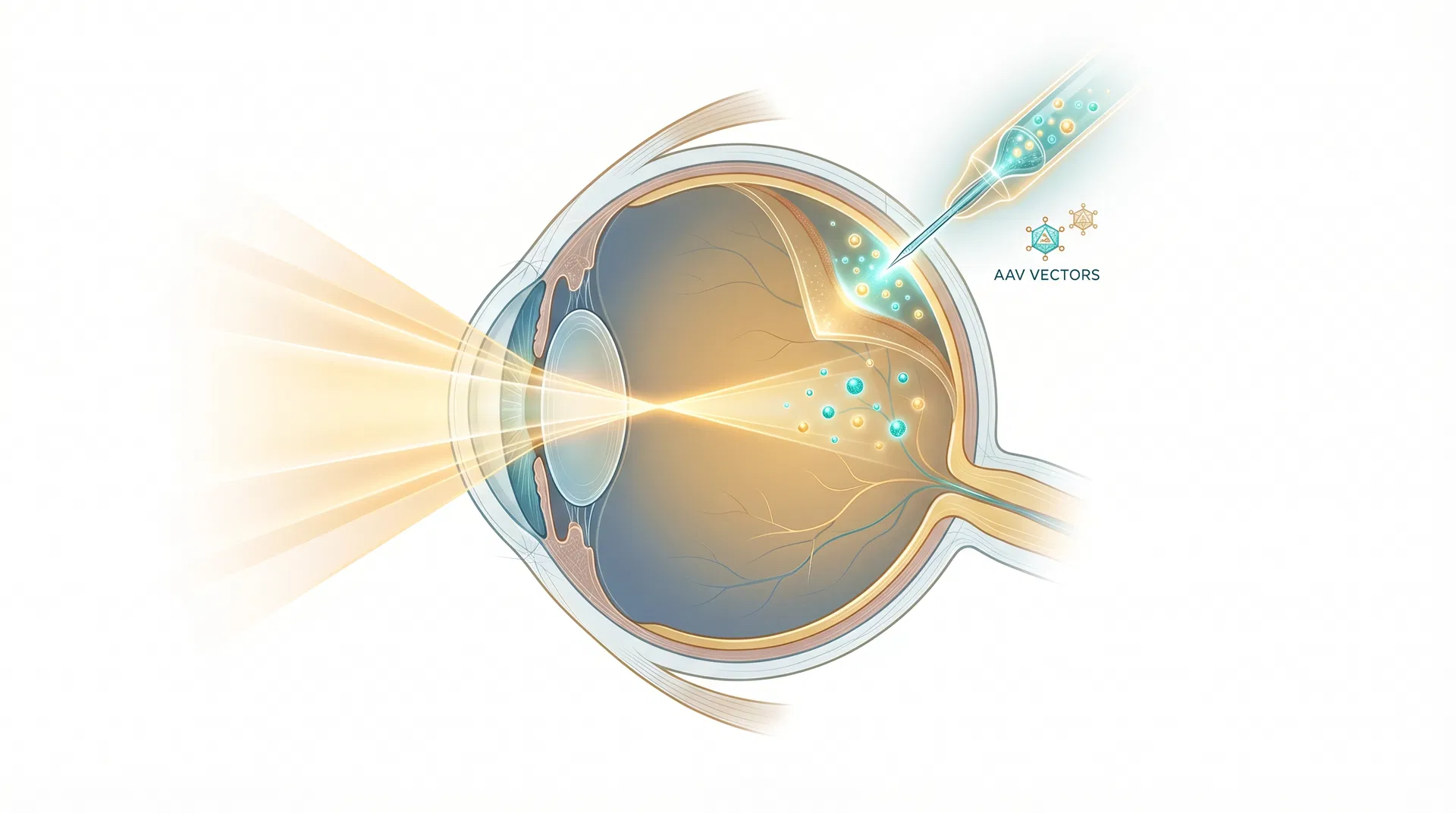
Luxturna Wins the Oscars of Science: The Gene Therapy That Gave Blind Children Sight
Jean Bennett, Albert Maguire, and Katherine High have won the $3 million 2026 Breakthrough Prize in Life Sciences for creating Luxturna — the world's first FDA-approved gene therapy for an inherited disease, which restored sight to children born with a rare form of genetic blindness.
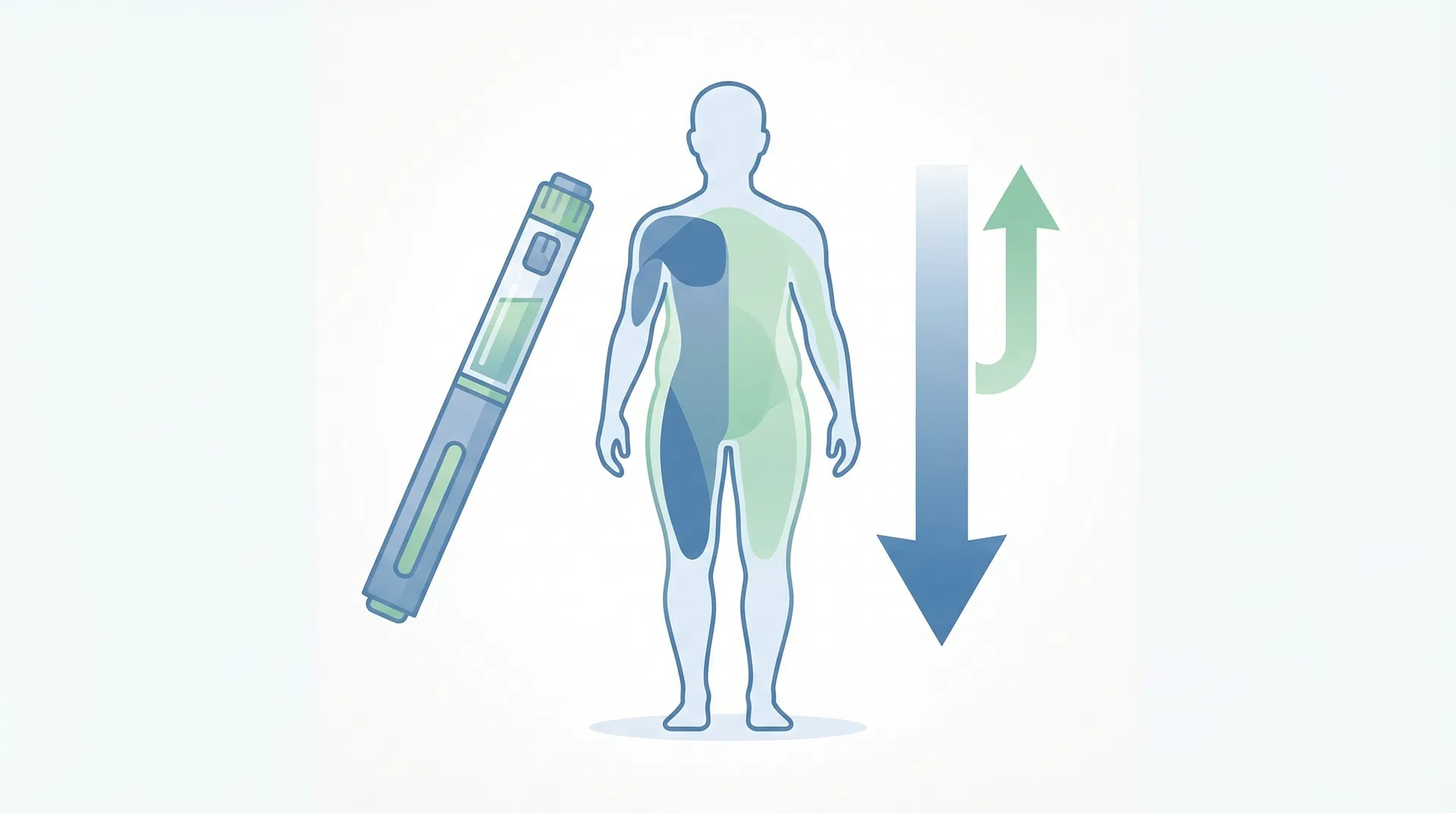
Why Stopping Your Ozempic Is Making It Work Less Each Time
A new Penn Medicine preclinical study published in the Journal of Clinical Investigation Insight reveals that stopping and restarting GLP-1 drugs like Ozempic causes a 'muscle floor' effect — each restart produces less weight loss, leaving the stop-start group 20% heavier than those who took the drug consistently.
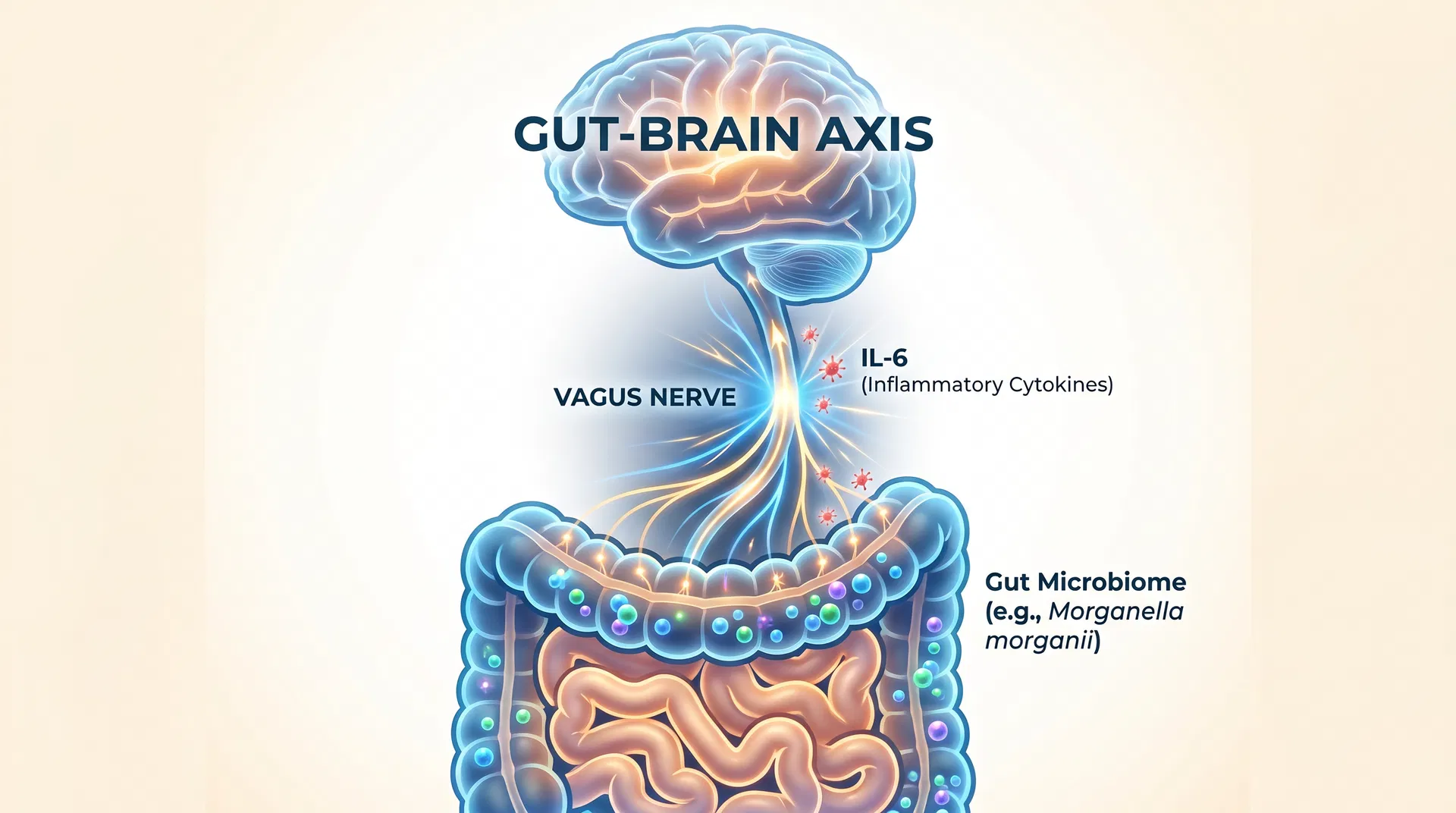
Your Gut Bacteria May Be Quietly Fuelling Your Depression — Harvard Scientists Find the Missing Link
Harvard Medical School researchers have identified a precise molecular mechanism by which a common gut bacterium — Morganella morganii — may trigger the chronic inflammation associated with major depressive disorder, opening a new diagnostic and therapeutic frontier.
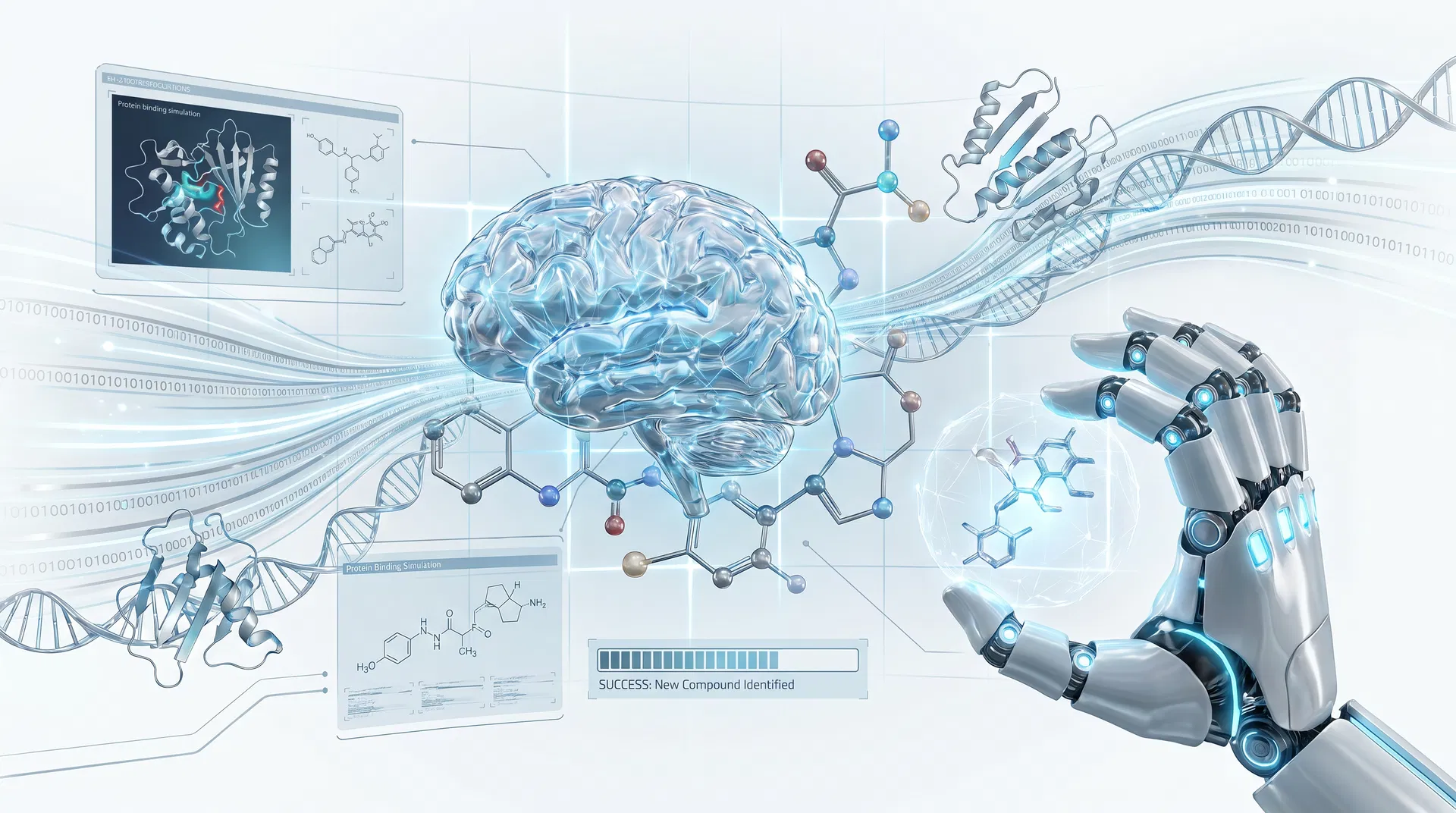
AI as the New Drug Hunter: How Machine Intelligence Is Transforming Target Discovery
A landmark review in Nature Reviews Drug Discovery reveals how artificial intelligence is systematically replacing decades of trial-and-error in drug target identification — compressing timelines from years to days and uncovering targets the human eye could never find.
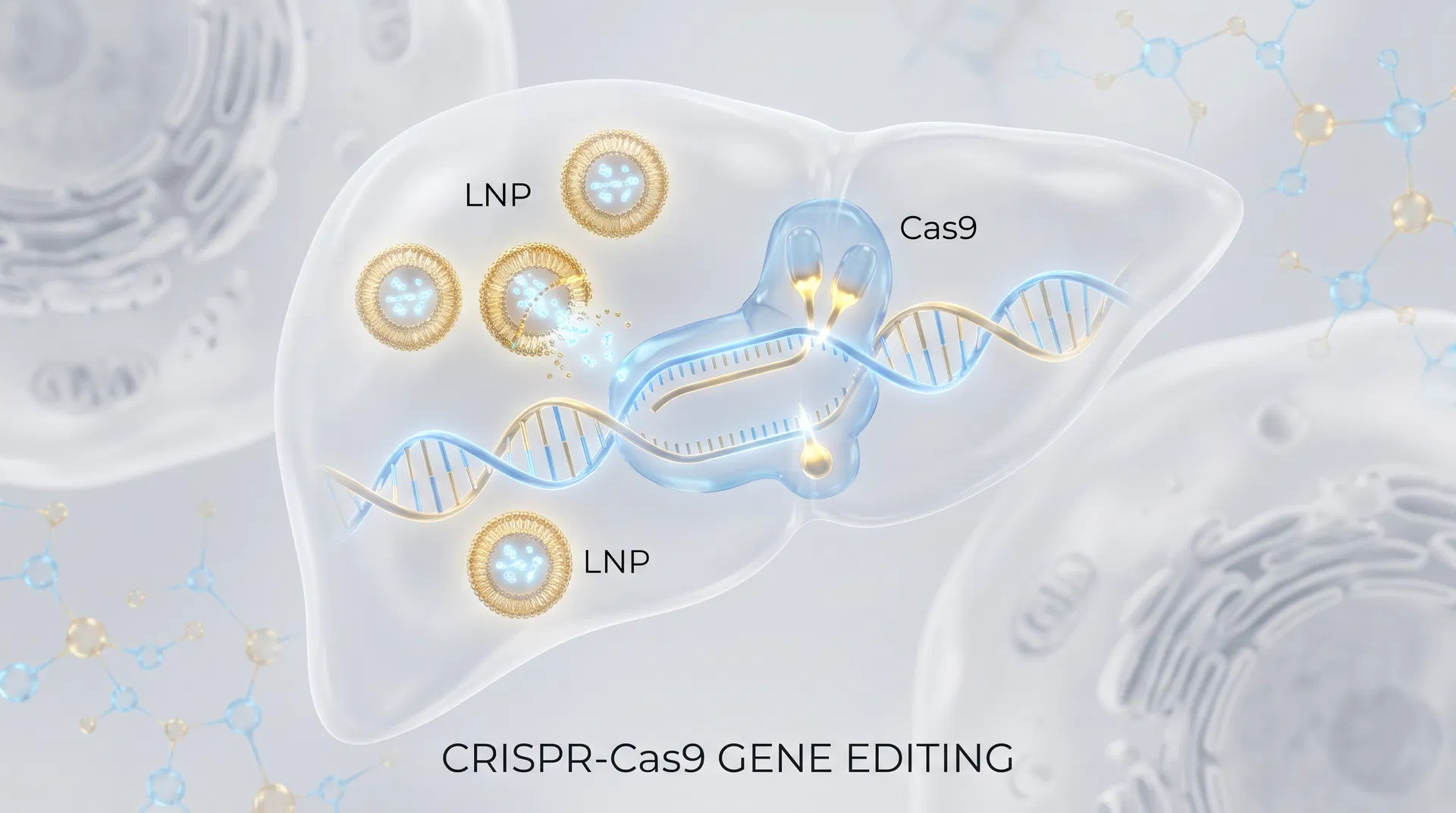
Lonvo-z: The World's First In-Body CRISPR Cure Is Here
Intellia Therapeutics has filed a BLA with the FDA after its CRISPR therapy lonvo-z reduced hereditary angioedema attacks by 87% in a landmark Phase 3 trial — the first in vivo gene-editing therapy to reach this milestone.
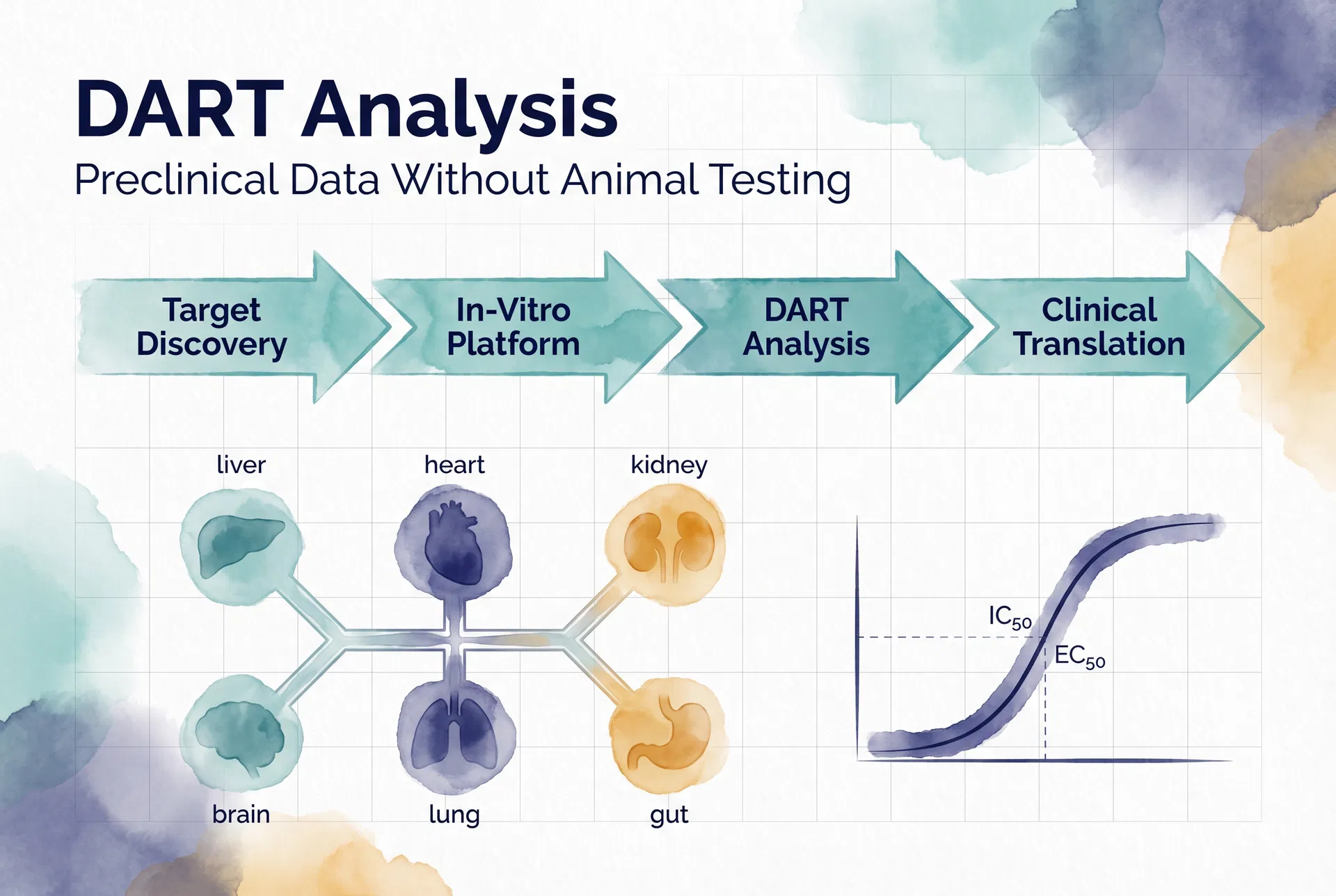
DART Analysis Explained: How Invitron Generates Publication-Quality Preclinical Data Without a Single Animal
Invitron's DART (Digital Animal Replacement Technology) framework generates nine-chart preclinical reports — including dose-response curves, biomarker timelines, and translational scoring — entirely in silico, with full FDA Modernization Act 2.0 compliance.
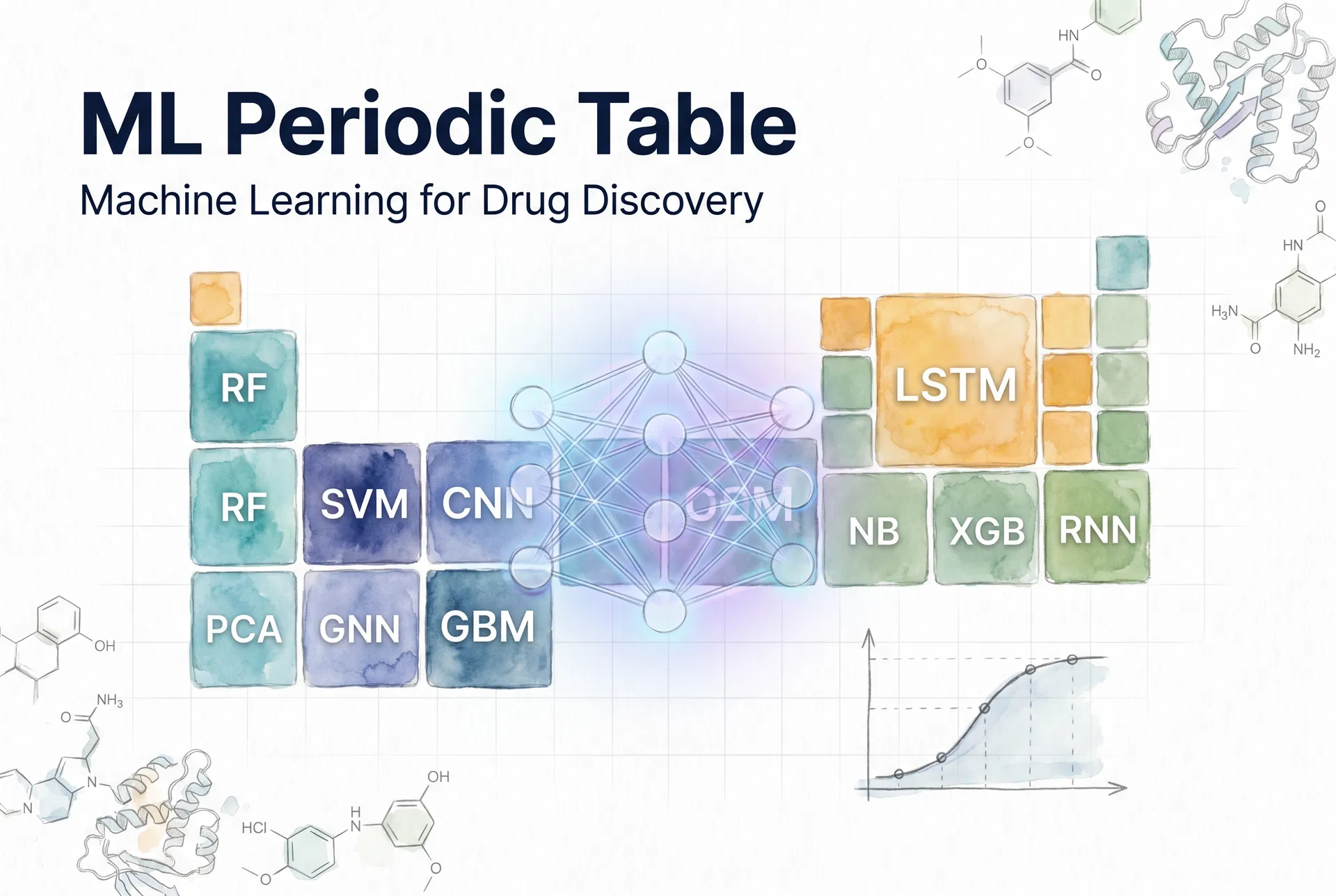
Inside Invitron's ML Periodic Table: A New Language for Machine Learning in Drug Discovery
Invitron's ML Periodic Table organises 40+ machine learning algorithms by category and task type, giving life scientists an intuitive framework for selecting the right model for every preclinical research question.
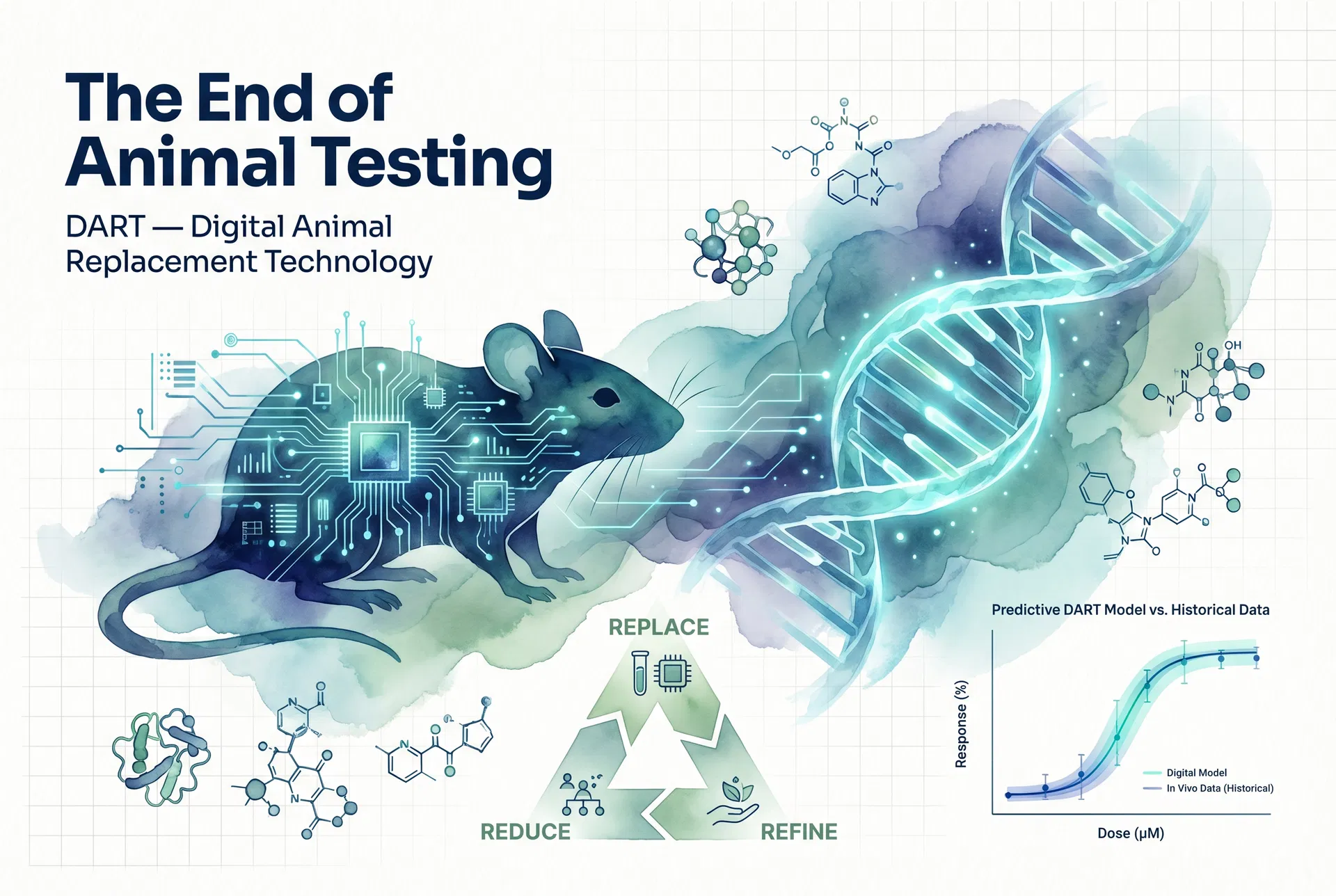
The End of Animal Testing as We Know It: How Invitron Is Redefining Preclinical Research
Invitron's InSilico Models platform offers FDA Modernization Act 2.0-compliant digital animal models — replacing live animal experiments with AI-powered, genetically-engineered virtual equivalents.
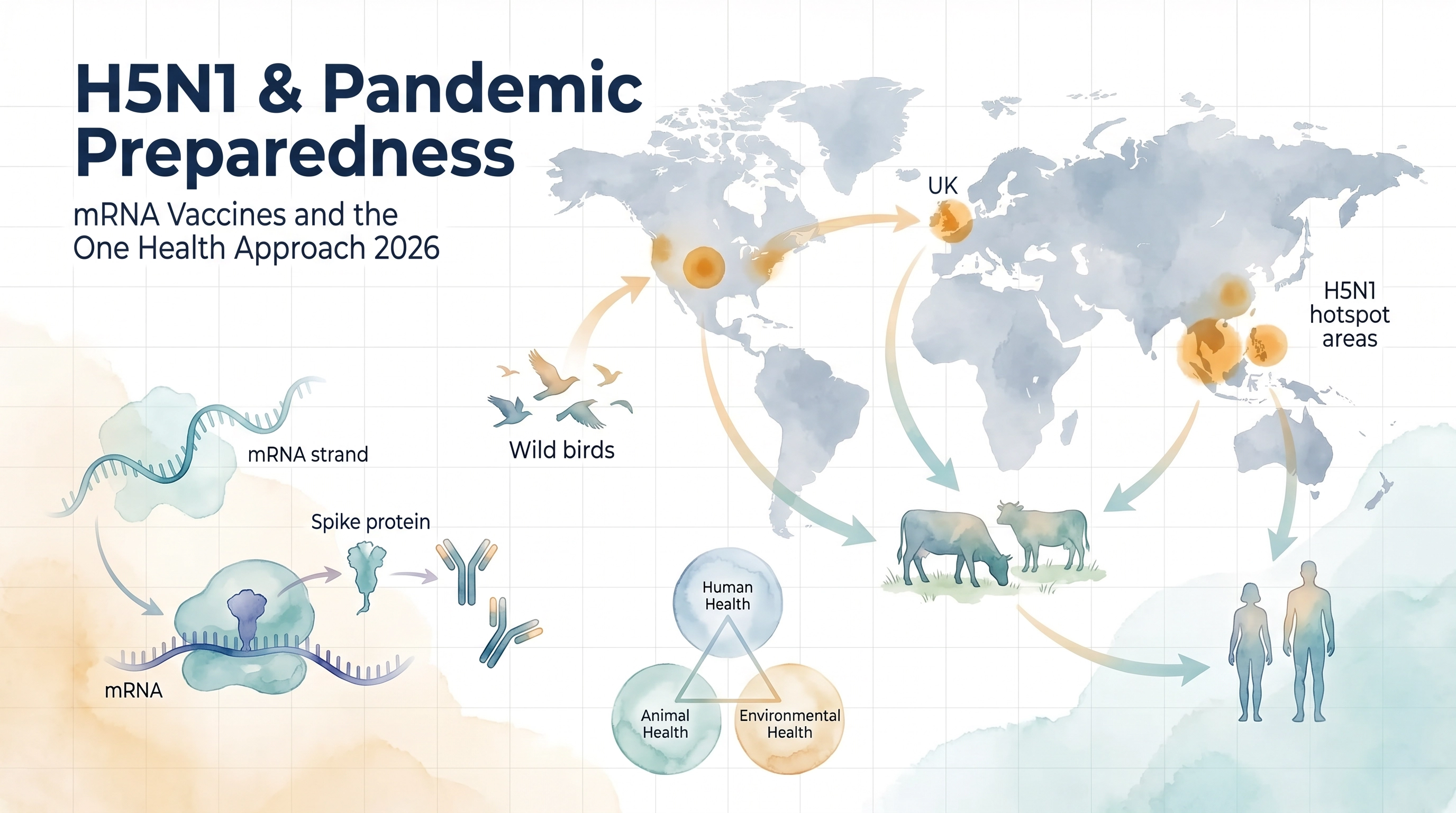
H5N1, mRNA, and the Architecture of Pandemic Preparedness in 2026
As H5N1 bird flu continues its slow but steady spread across animal species and into sporadic human cases, a landmark Phase 3 mRNA vaccine trial has begun — and the lessons it carries for global biosecurity extend well beyond influenza.
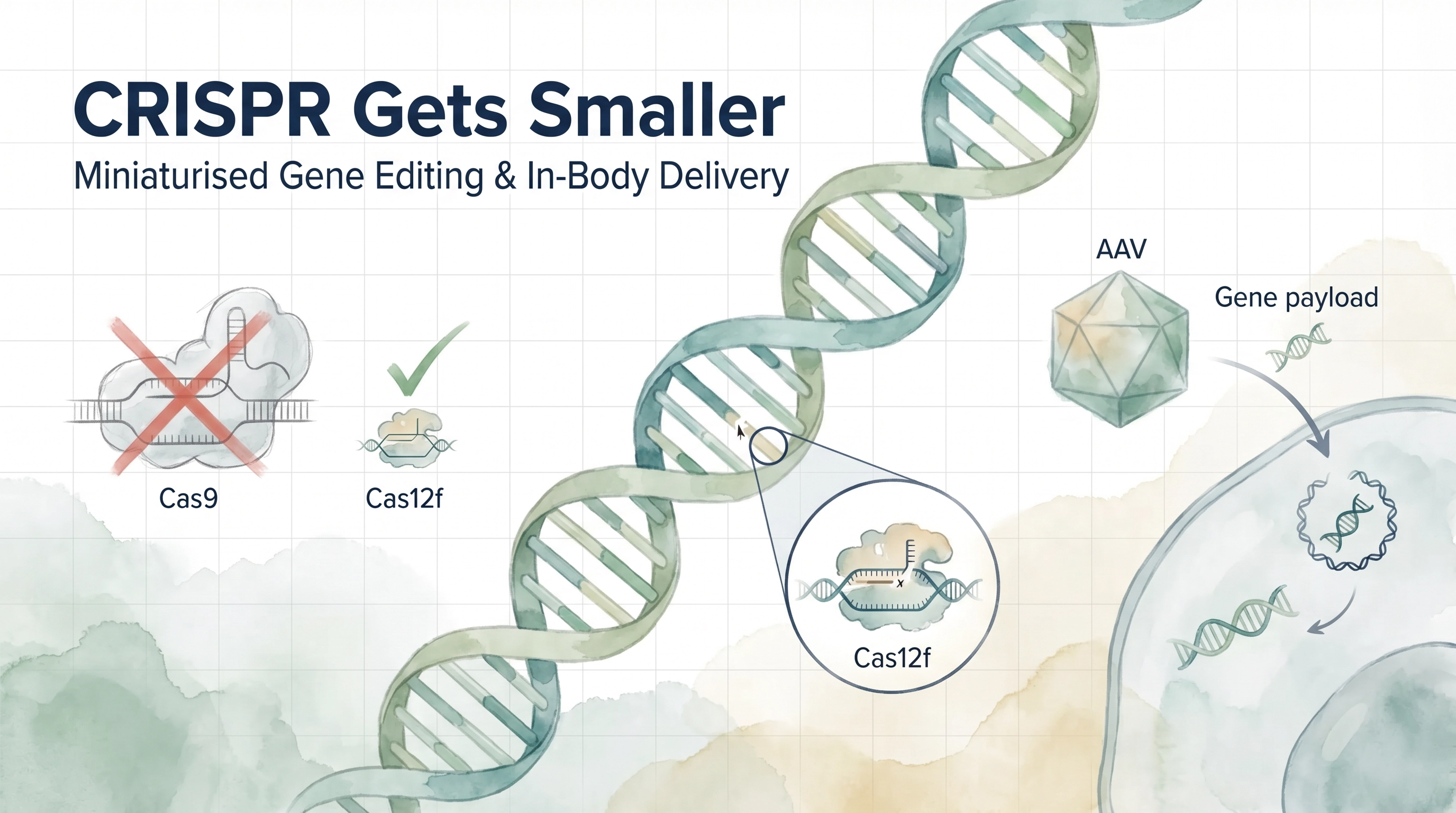
CRISPR Gets Smaller — and the Implications Are Enormous
A landmark NIH-funded study has engineered a miniaturised CRISPR system that achieves over 80% editing efficiency in human cells — potentially unlocking in-body gene therapy for cancer, ALS, and dozens of other diseases.
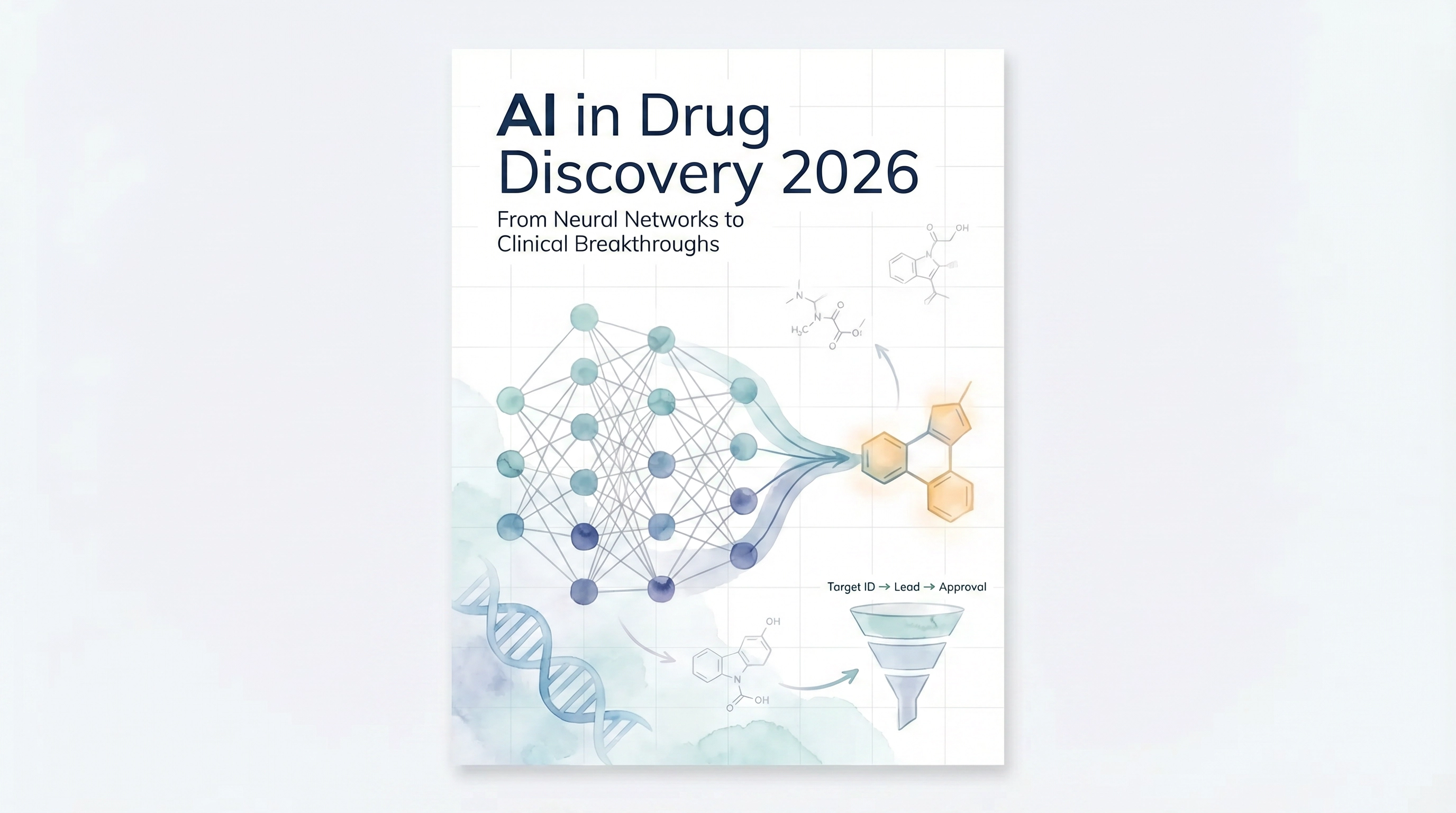
From Lab to Algorithm: How AI Is Rewriting the Rules of Drug Discovery in 2026
In 2026, artificial intelligence has moved from a supplementary tool to an indispensable partner in pharmaceutical research — compressing timelines, uncovering hidden disease connections, and opening pathways to treatments that were previously inconceivable.

The ADC Revolution: How Antibody-Drug Conjugates Are Redefining Cancer Therapy at AACR 2026
The 2026 AACR Annual Meeting confirmed that antibody-drug conjugates have become the defining therapeutic class of modern oncology. From mushroom-toxin payloads to next-generation bispecific designs, ADCs are reshaping how we treat cancer — and raising new questions for biosafety governance.
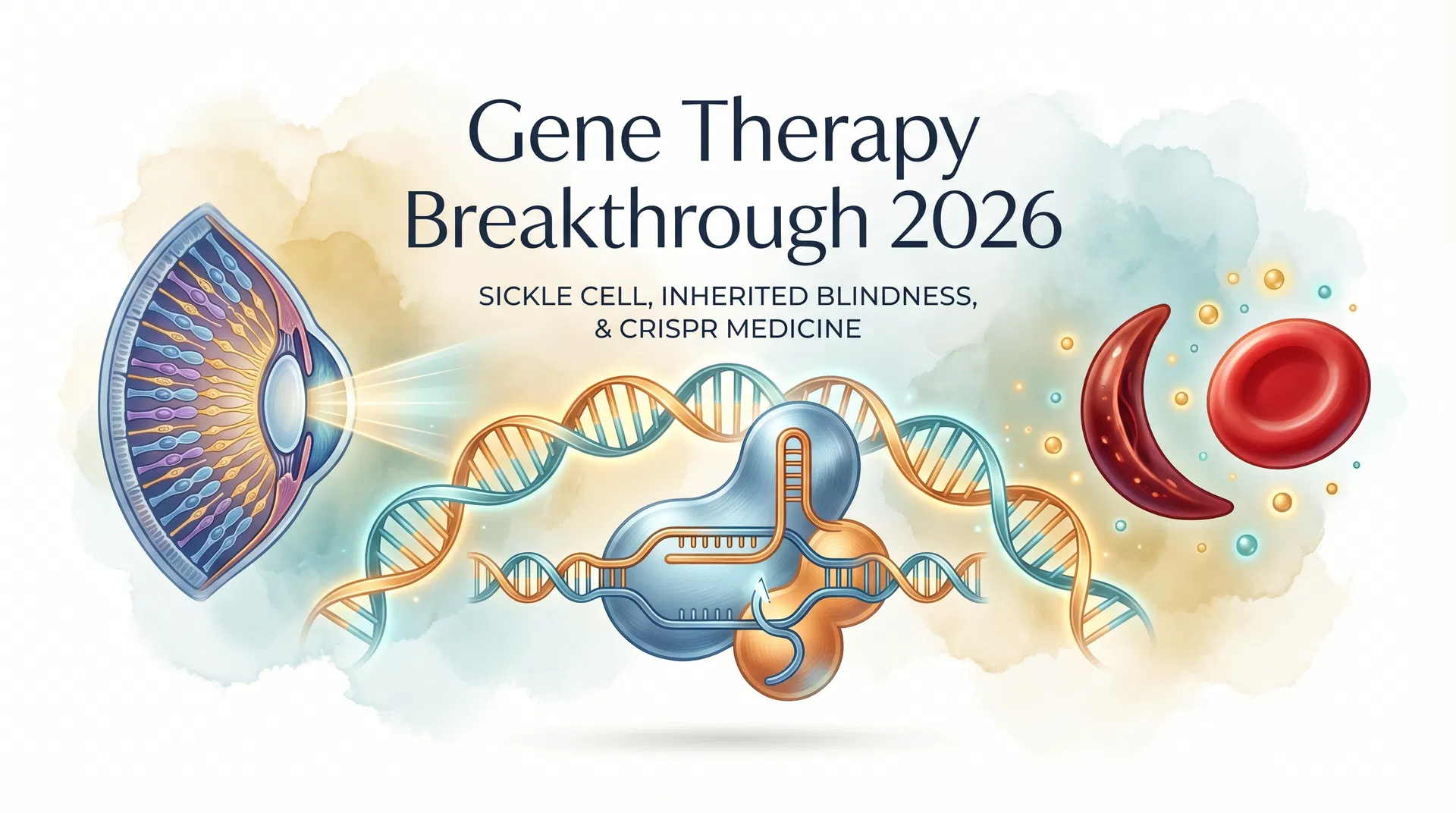
From Bench to Bedside: The 2026 Breakthrough Prize and the Gene Therapy Revolution
The 2026 Breakthrough Prize has been awarded to the pioneers of gene therapy for inherited blindness, sickle cell disease, and beta-thalassemia. Their work — spanning decades of molecular biology, clinical courage, and regulatory navigation — has produced the first CRISPR medicine and a vision-restoring gene therapy. For Africa, where 75% of the global sickle cell burden resides, the implications are profound.
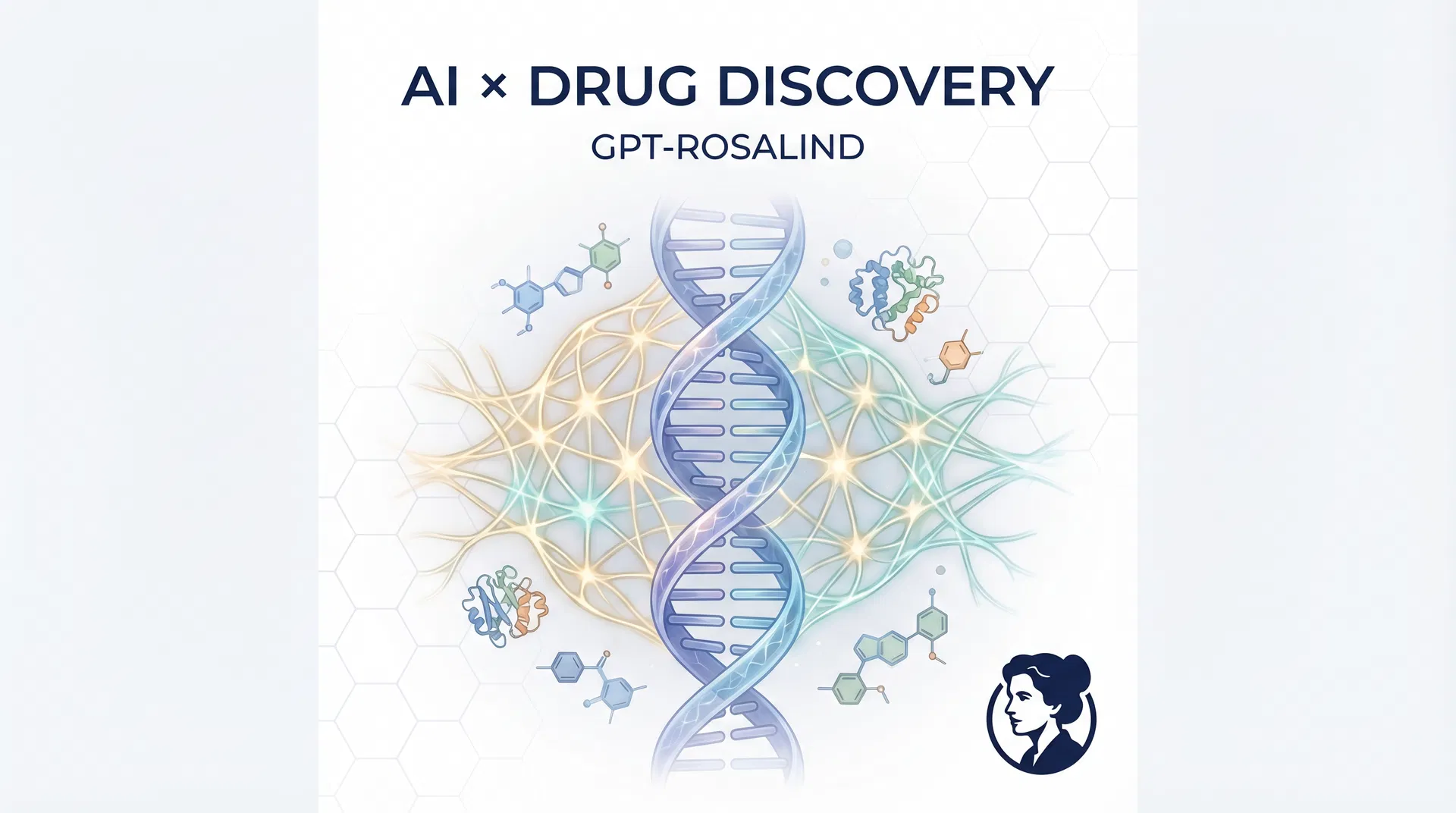
GPT-Rosalind and the AI Drug Discovery Race: What OpenAI's Biology Model Means for Life Sciences
OpenAI's GPT-Rosalind — named after Rosalind Franklin — is the first biology-tuned large language model designed to compress the 10-15 year drug development timeline. Its launch in April 2026 marks a pivotal moment in the convergence of artificial intelligence and life sciences, with profound implications for biosecurity governance in Africa and beyond.
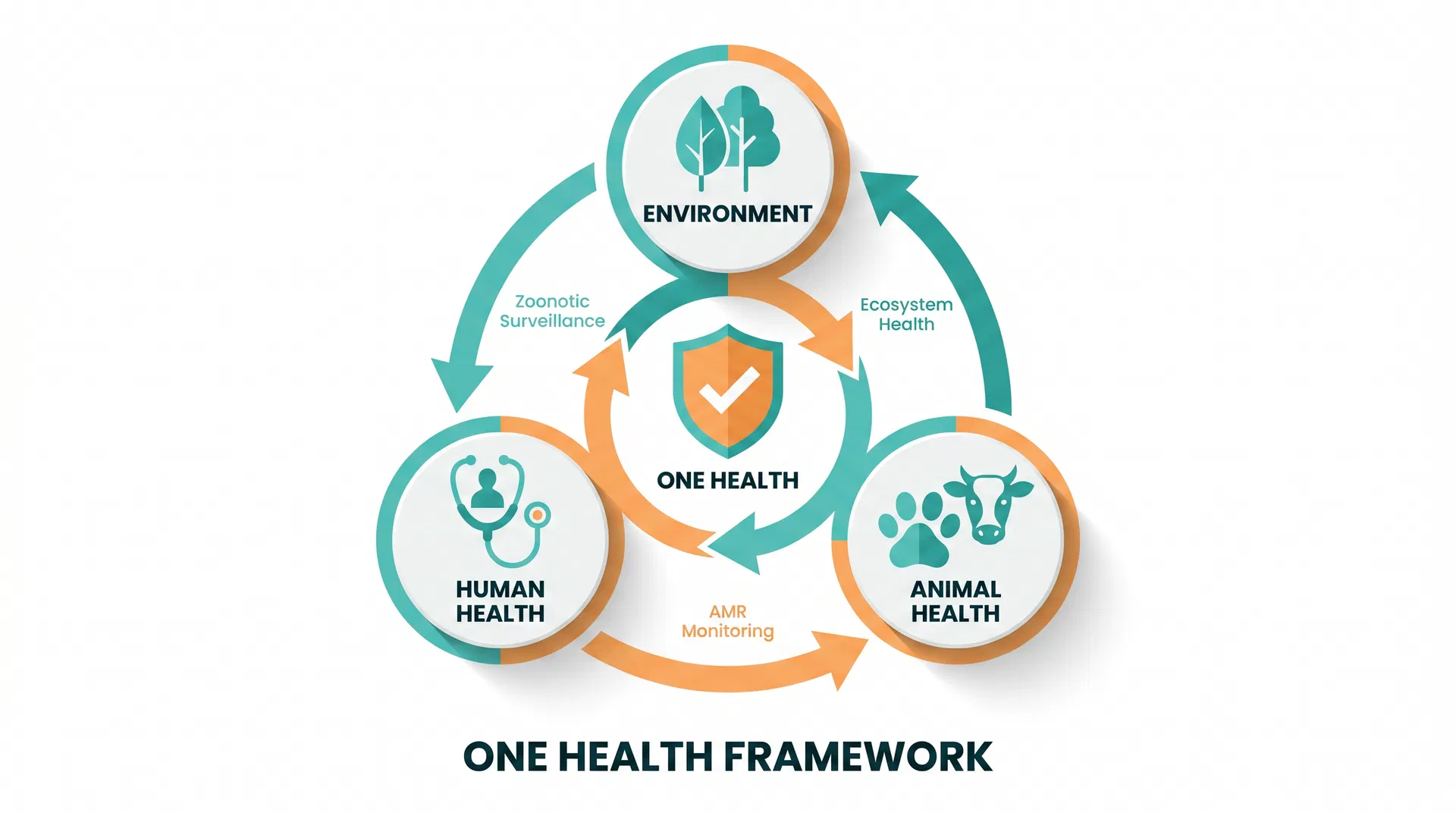
The One Health Framework: Integrating Human, Animal, and Environmental Health for Biosecurity in the 21st Century
Over 60% of emerging infectious diseases are zoonotic in origin. The One Health framework — which recognises the inextricable links between human, animal, and ecosystem health — is increasingly central to biosecurity strategy, pandemic preparedness, and sustainable development.
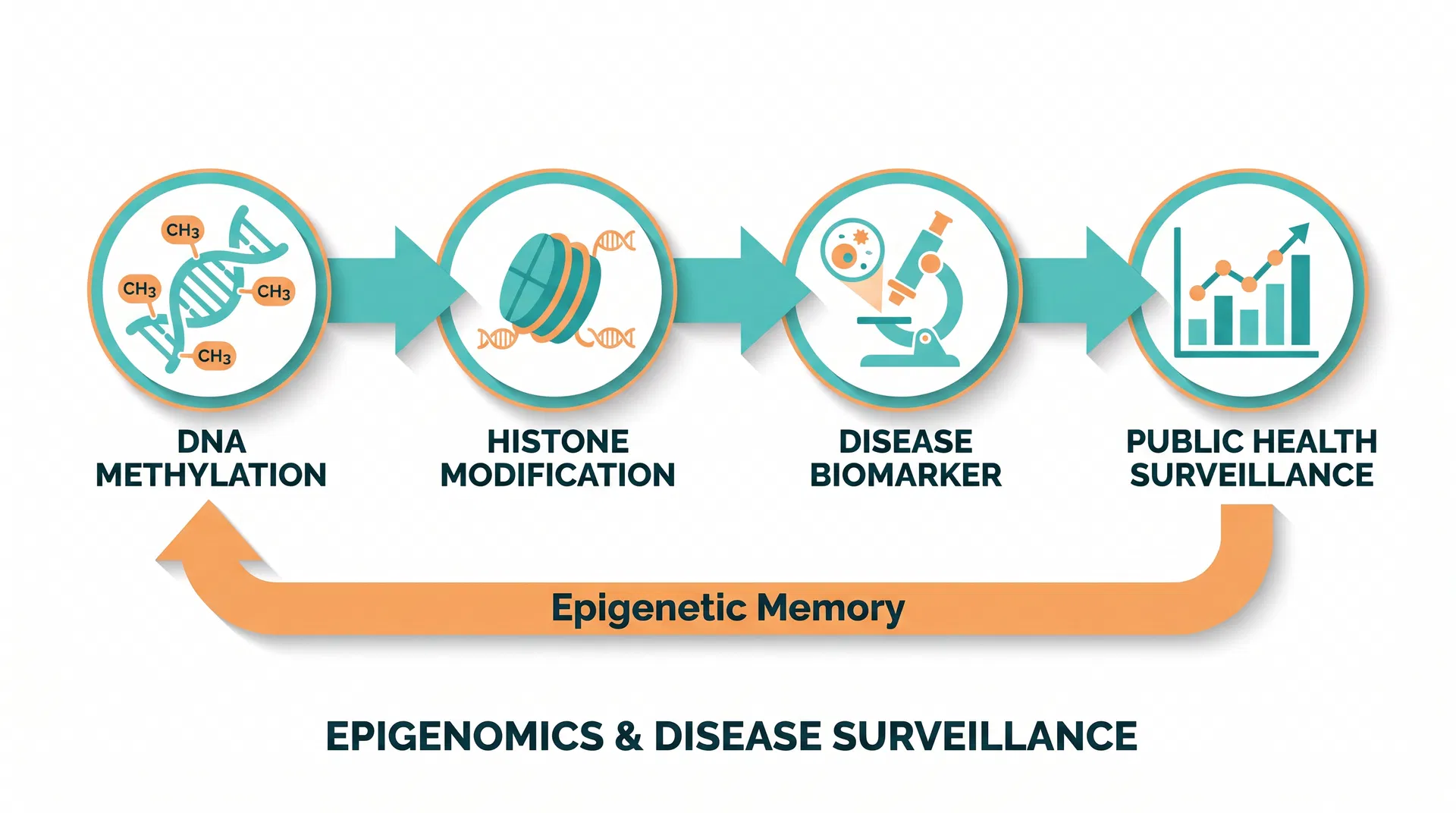
Epigenomics and Disease Surveillance: Reading the Molecular Memory of Exposure
The epigenome — the layer of chemical modifications that regulate gene expression without altering the DNA sequence — encodes a molecular memory of environmental exposures, infections, and stressors. Epigenomic surveillance is emerging as a powerful complement to genomic and clinical disease monitoring.
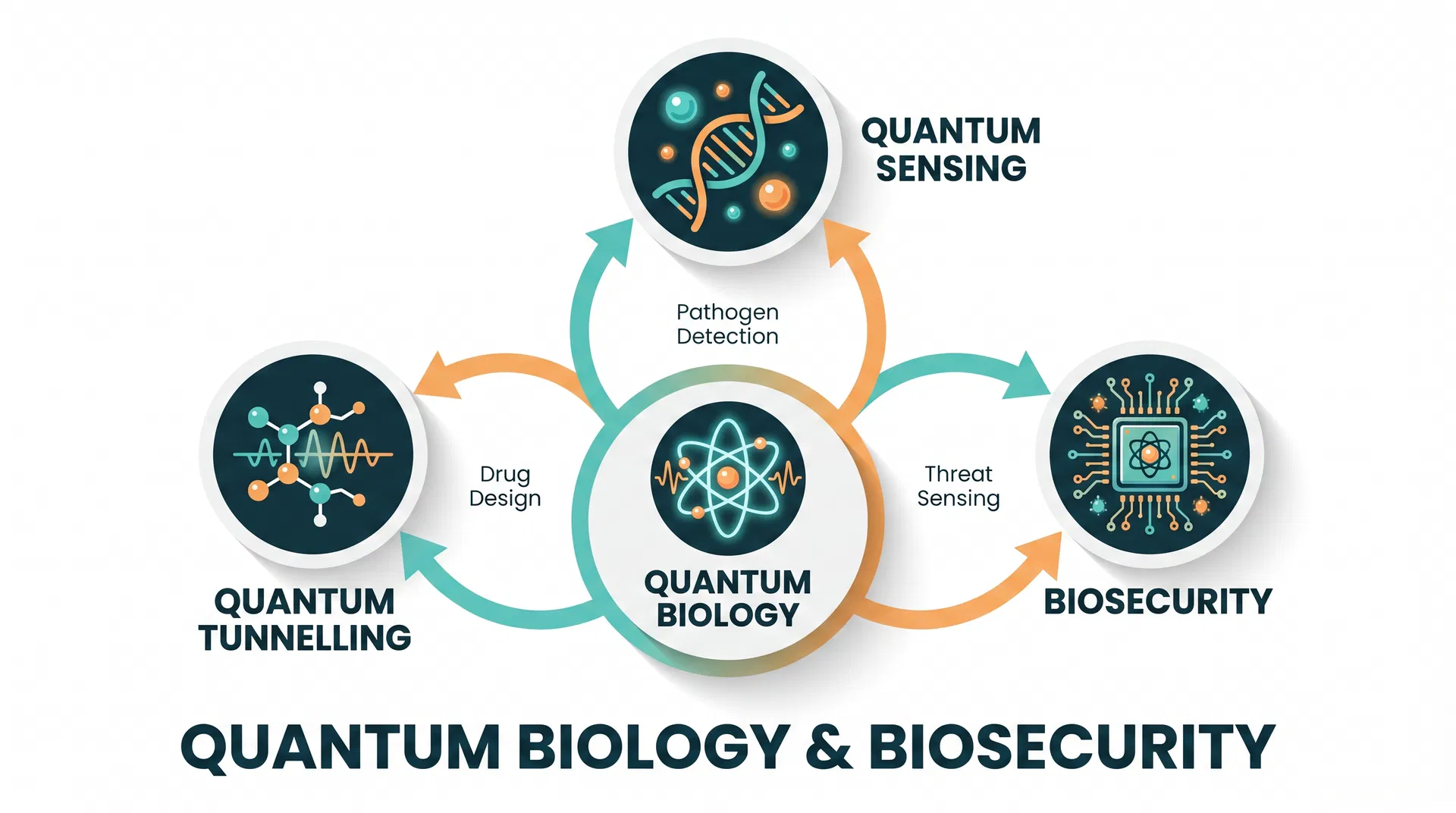
Quantum Biology and Biosecurity: Emerging Frontiers at the Intersection of Physics and Life Sciences
Quantum mechanical phenomena — from photosynthetic energy transfer to avian magnetoreception — are reshaping our understanding of life at the molecular level. This post explores how quantum biology is opening new frontiers in biosecurity, drug discovery, and biosensor development.
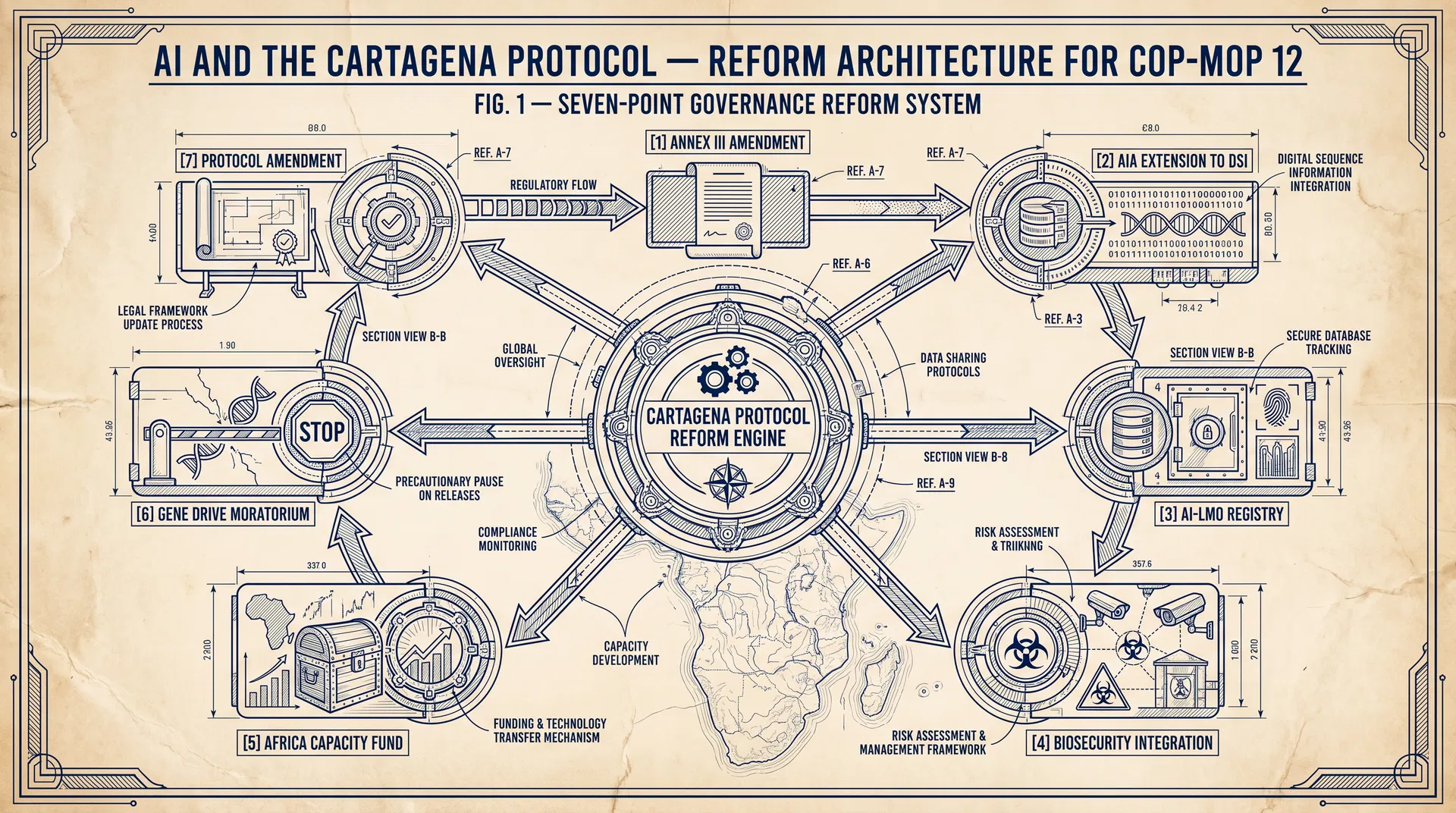
AI and the Cartagena Protocol: A Reform Agenda for COP17
As AI-designed organisms and digital sequence information reshape the frontier of synthetic biology, the Cartagena Protocol on Biosafety faces its most consequential stress test since adoption. This post sets out a seven-point reform agenda for COP-MOP 12 in Yerevan.
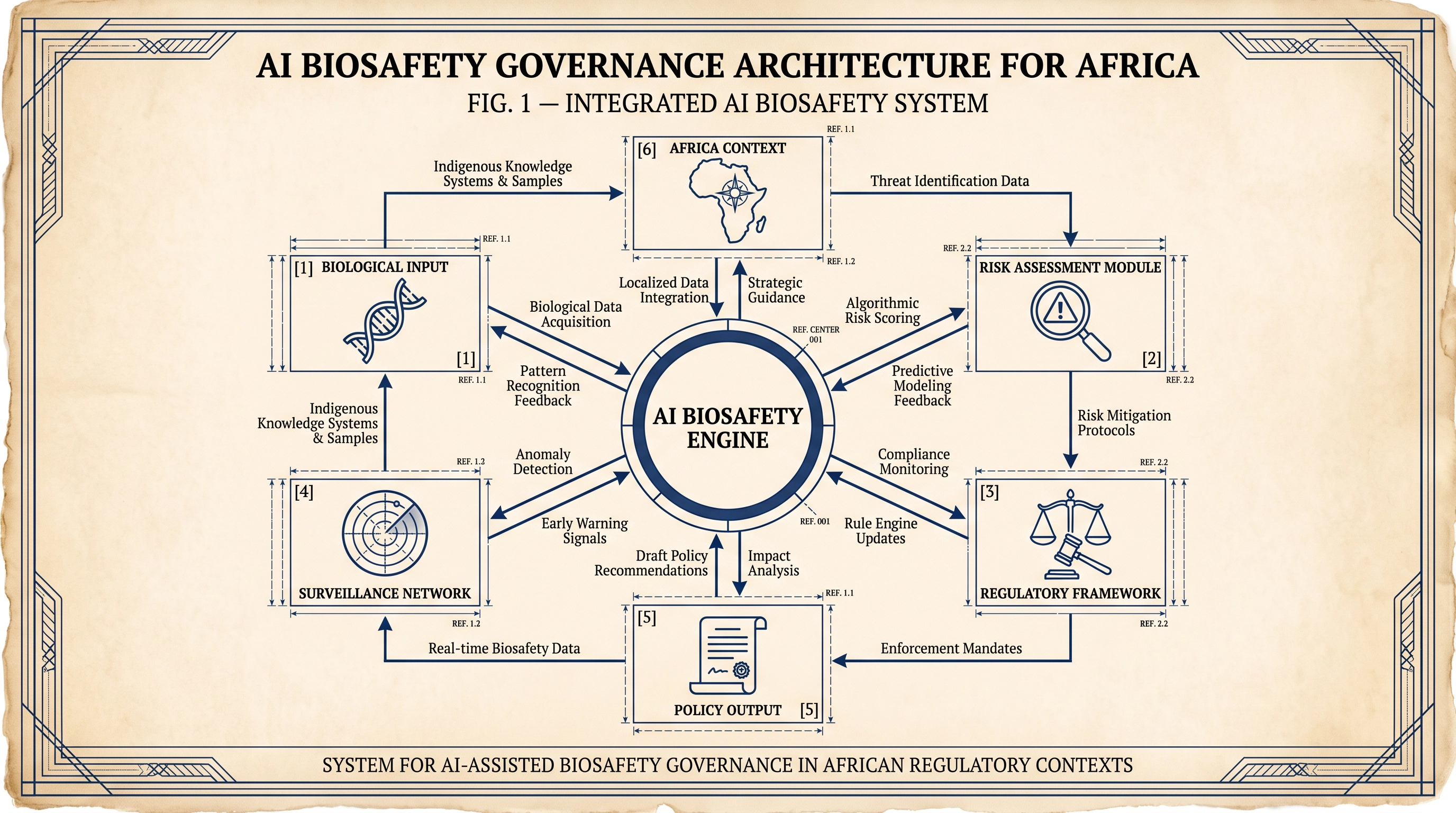
AI in Biosafety Governance in Africa: Navigating the Promise and the Peril
Generative AI is redesigning proteins and engineering novel organisms faster than Africa's biosafety frameworks can respond. This post examines the structural gaps in African biosafety governance, the landmark Addis Ababa Declaration, and a five-point policy roadmap for sovereign AI biosafety governance on the continent.
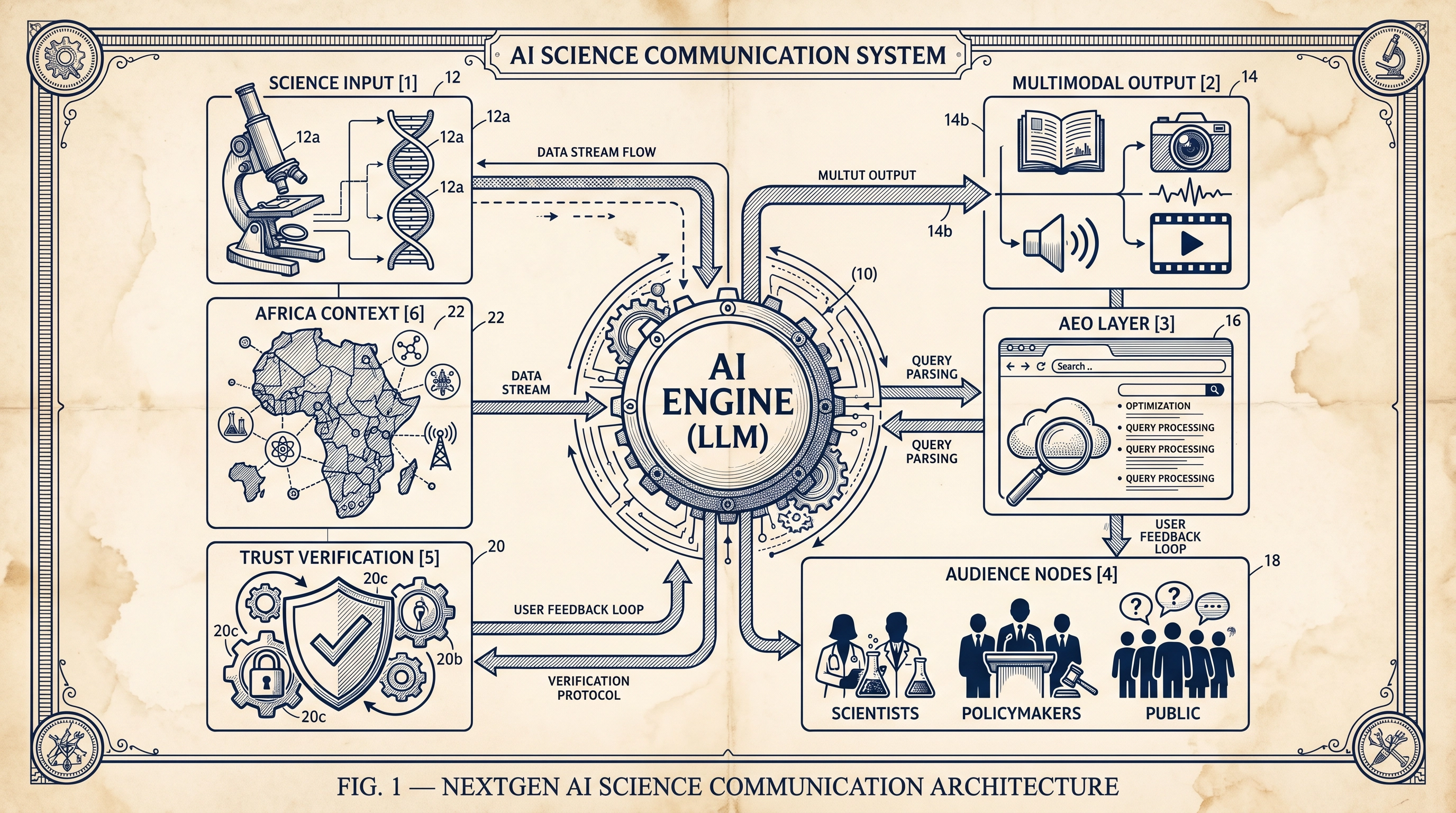
NextGen AI Science Communication: How Artificial Intelligence Is Rewriting the Rules of Scientific Engagement
Artificial intelligence is not merely a tool for science communication — it is fundamentally restructuring who communicates science, how it reaches audiences, and whether it is trusted. This post examines the emerging NextGen AI SciComm paradigm and what it means for scientists, biosecurity professionals, and communicators in Africa and beyond.
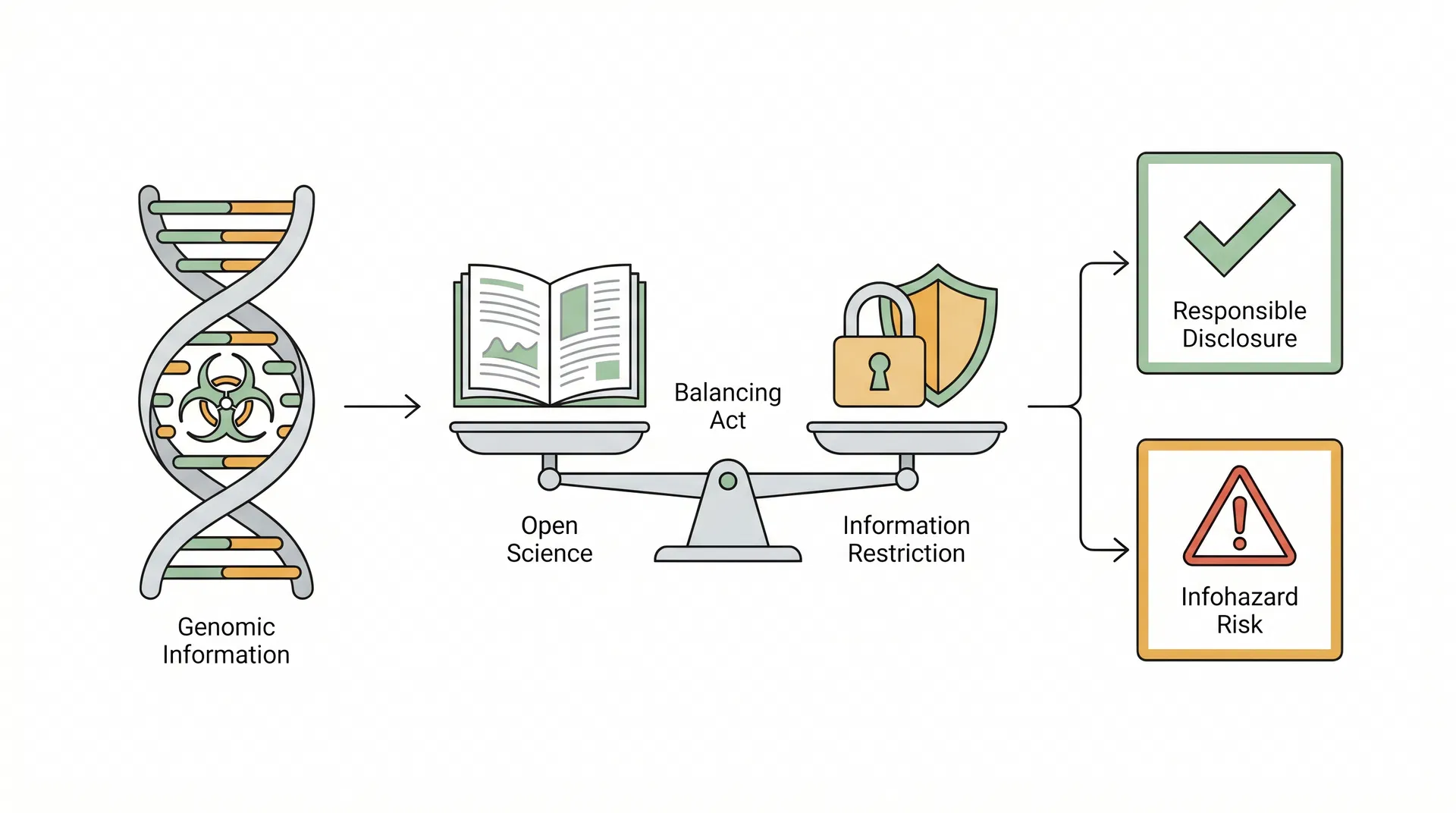
Infohazards in Life Science: Why Restricting Sensitive Scientific Information Is a Beneficial Component of Science Communication
Infohazards in life science refer to scientific information whose dissemination poses risks to public safety. This article argues that responsible restriction of such information is not censorship — it is an ethical pillar of modern science communication, protecting the public while preserving scientific integrity.
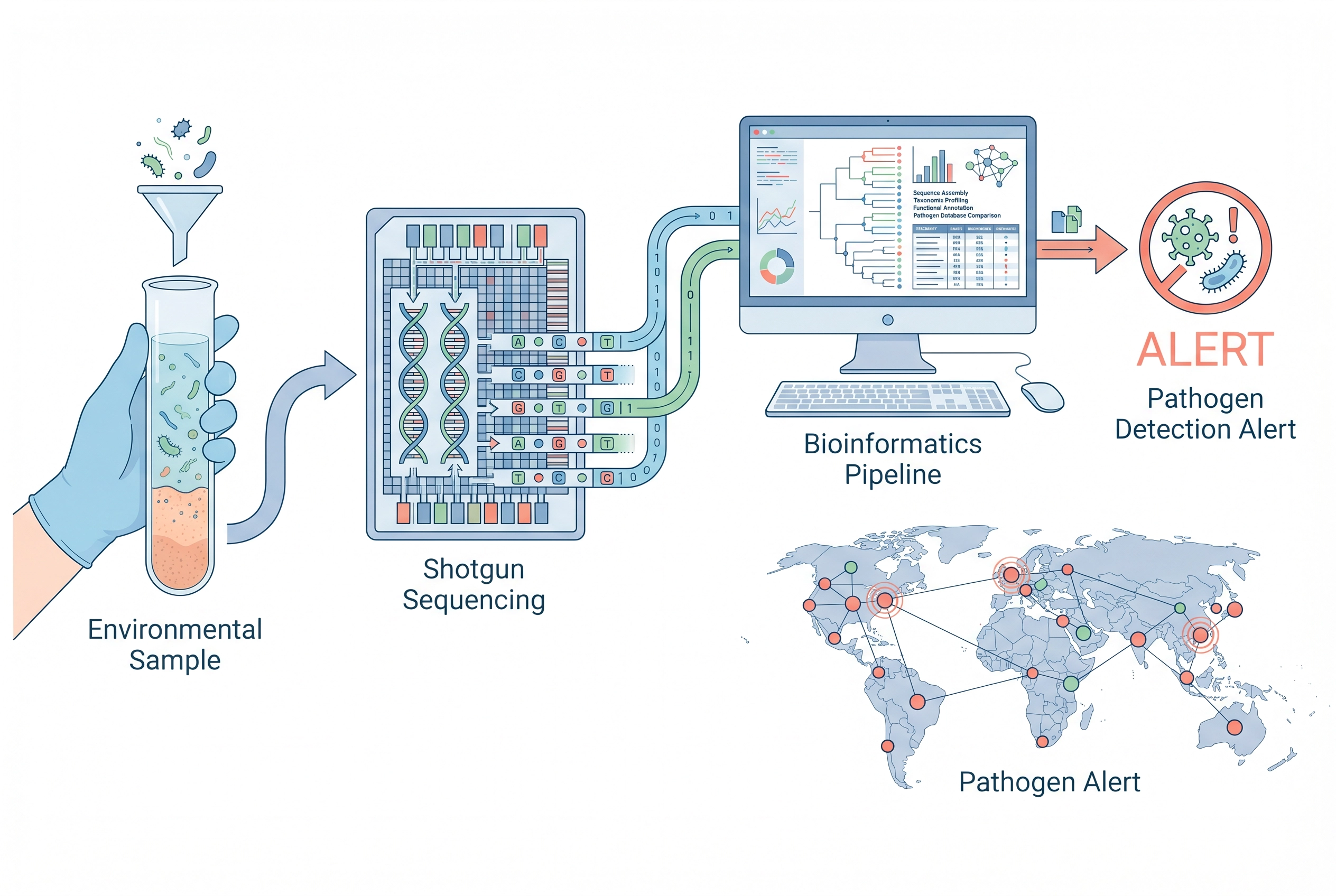
Metagenomics and Next-Generation Pathogen Surveillance: Seeing the Invisible
Metagenomics enables the simultaneous sequencing of all genetic material in a sample, detecting known and unknown pathogens without culture or prior hypothesis. This post examines how NGS is transforming infectious disease surveillance and what it means for global biosecurity.
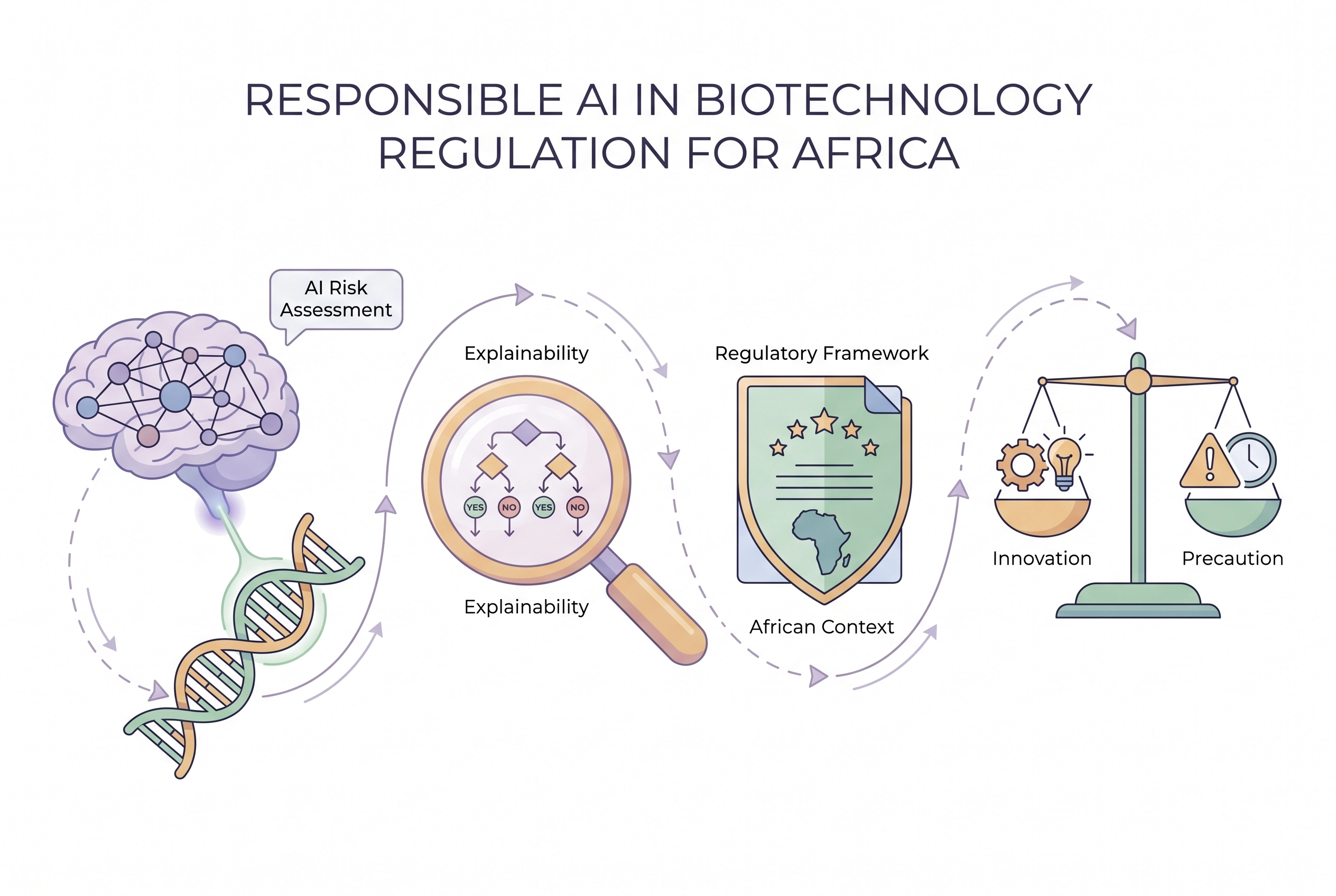
Responsible AI in Biotechnology Regulation: Frameworks for the African Context
As AI systems increasingly influence biotechnology research, drug discovery, and biosafety risk assessment, African regulators face a dual challenge: harnessing AI's transformative potential while preventing its misuse. This post examines frameworks for responsible AI in biotechnology regulation tailored to the African context.
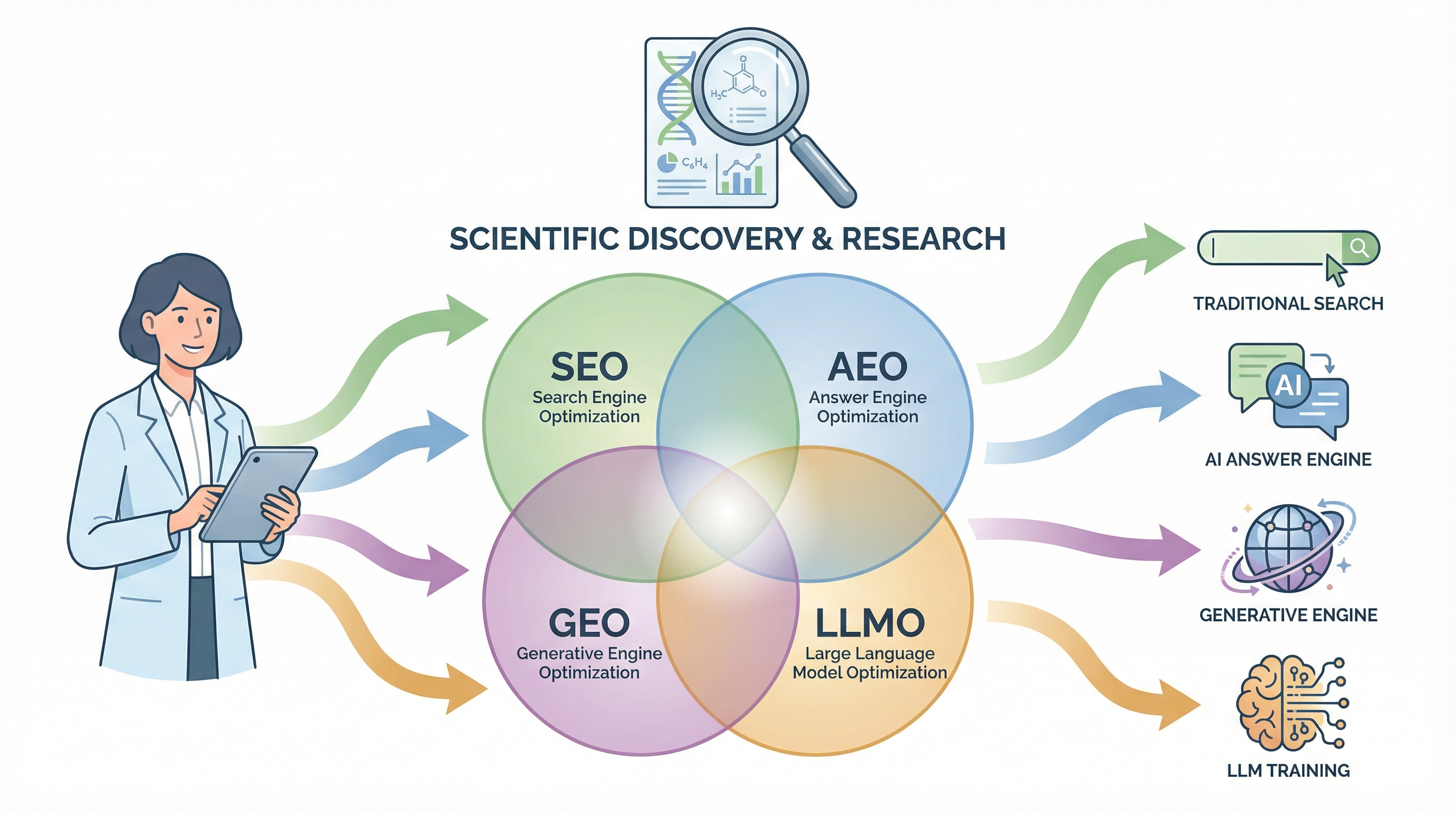
The AI Search Blueprint for Scientists: How SEO, AEO, GEO, and LLMO Are Reshaping Science Communication
As AI-powered search engines replace traditional Google queries for millions of users, scientists face a new visibility challenge. This post applies the AI Search Blueprint framework — SEO, AEO, GEO, and LLMO — to science communication, showing how researchers can ensure their work is discovered, cited, and trusted by both human audiences and AI systems.
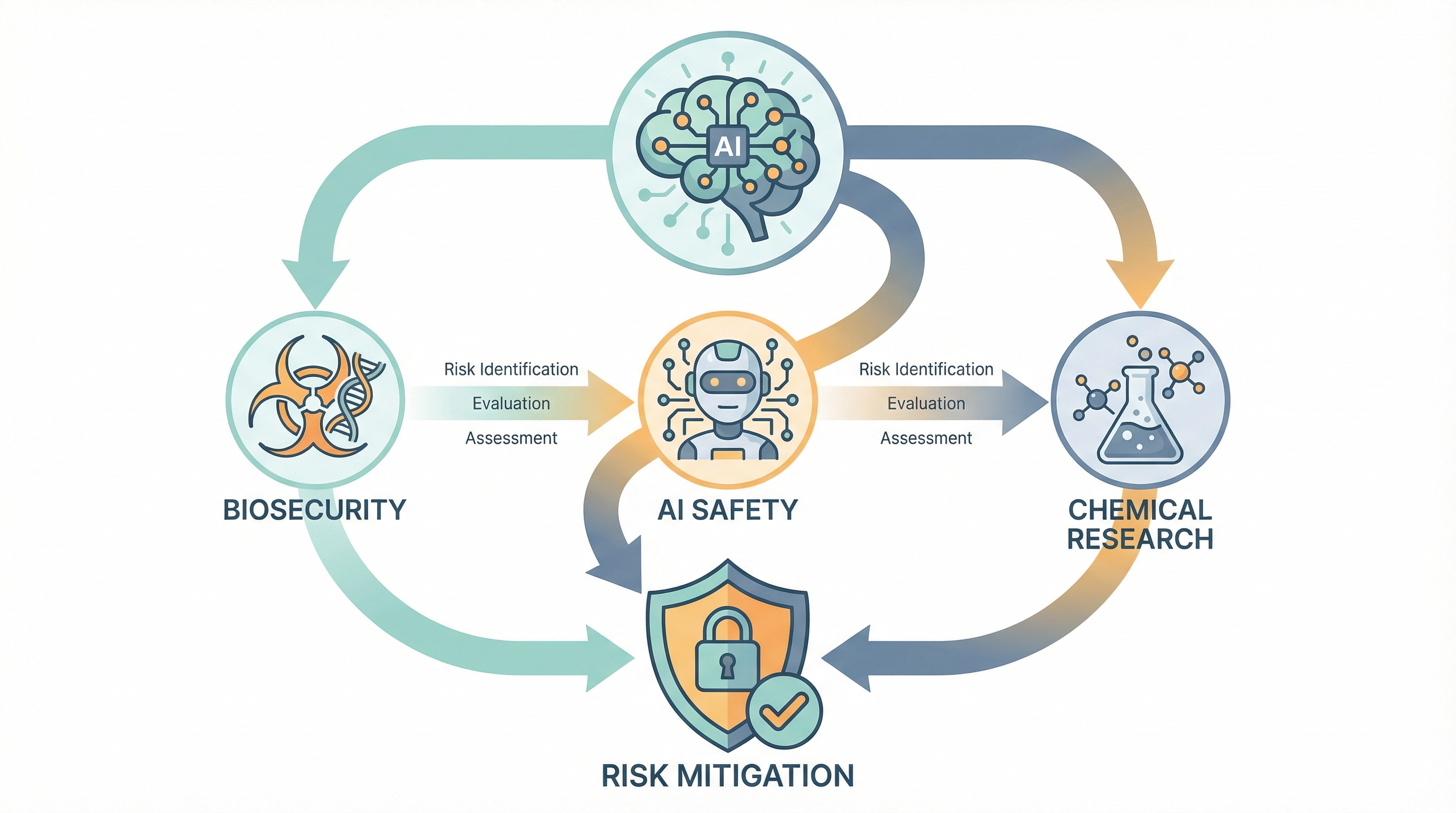
DURC GPT: An Advanced AI Assistant for Identifying and Mitigating Dual-Use Research Risks
DURC GPT is a specialised ChatGPT-based AI assistant designed to identify, evaluate, and mitigate risks in dual-use research across biosecurity, AI safety, and chemical research. This post explores its capabilities, use cases, and implications for responsible science governance.
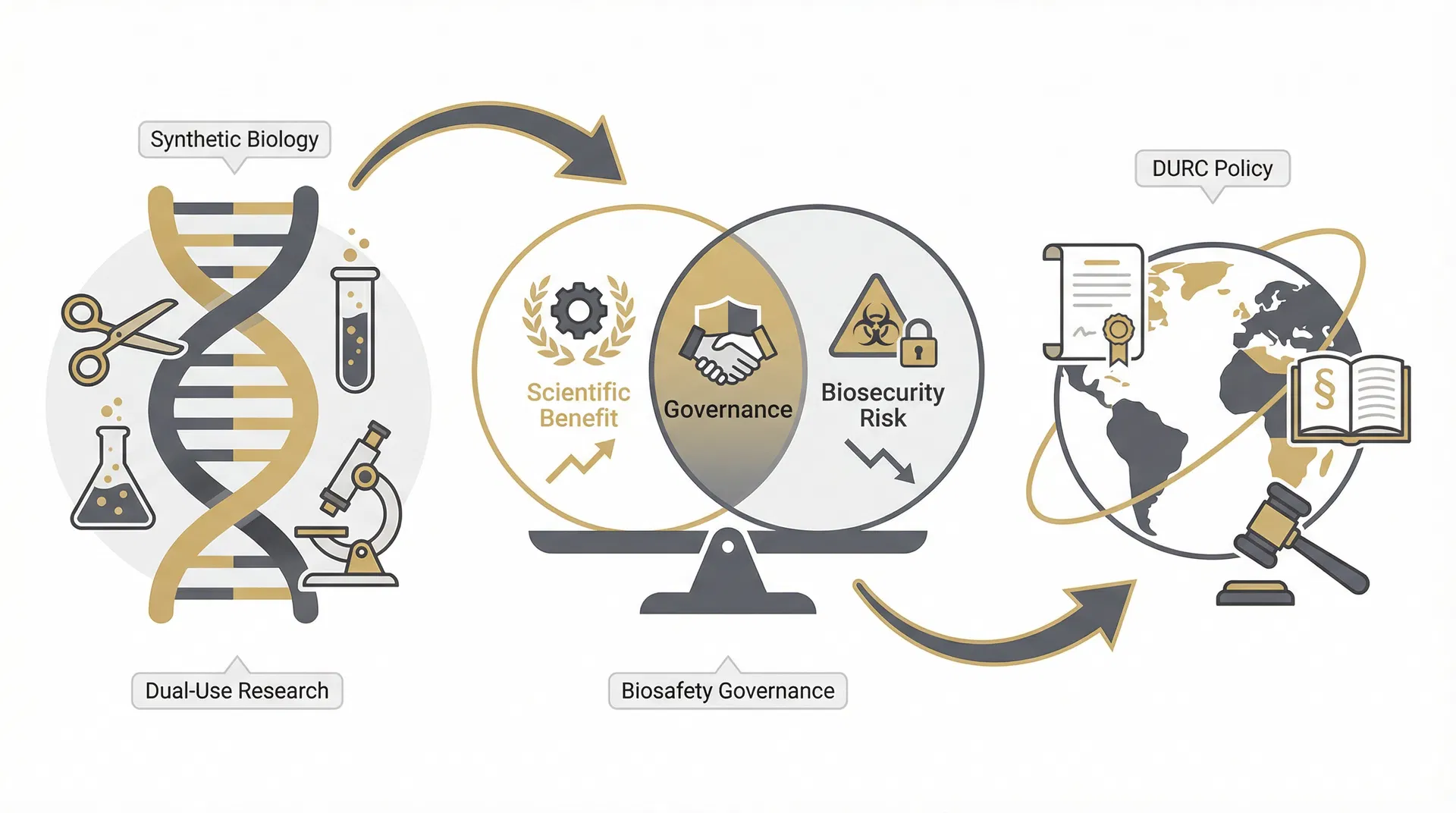
Governing the Ungovernables: Dual-Use Research of Concern in the Age of Synthetic Biology
The democratisation of synthetic biology tools has created a governance paradox: the same technologies that promise revolutionary advances in medicine, agriculture, and environmental remediation can enable the creation of biological threats of unprecedented severity. This analysis examines the evolving framework for dual-use research oversight and argues for a new governance architecture adequate to the synthetic biology era.
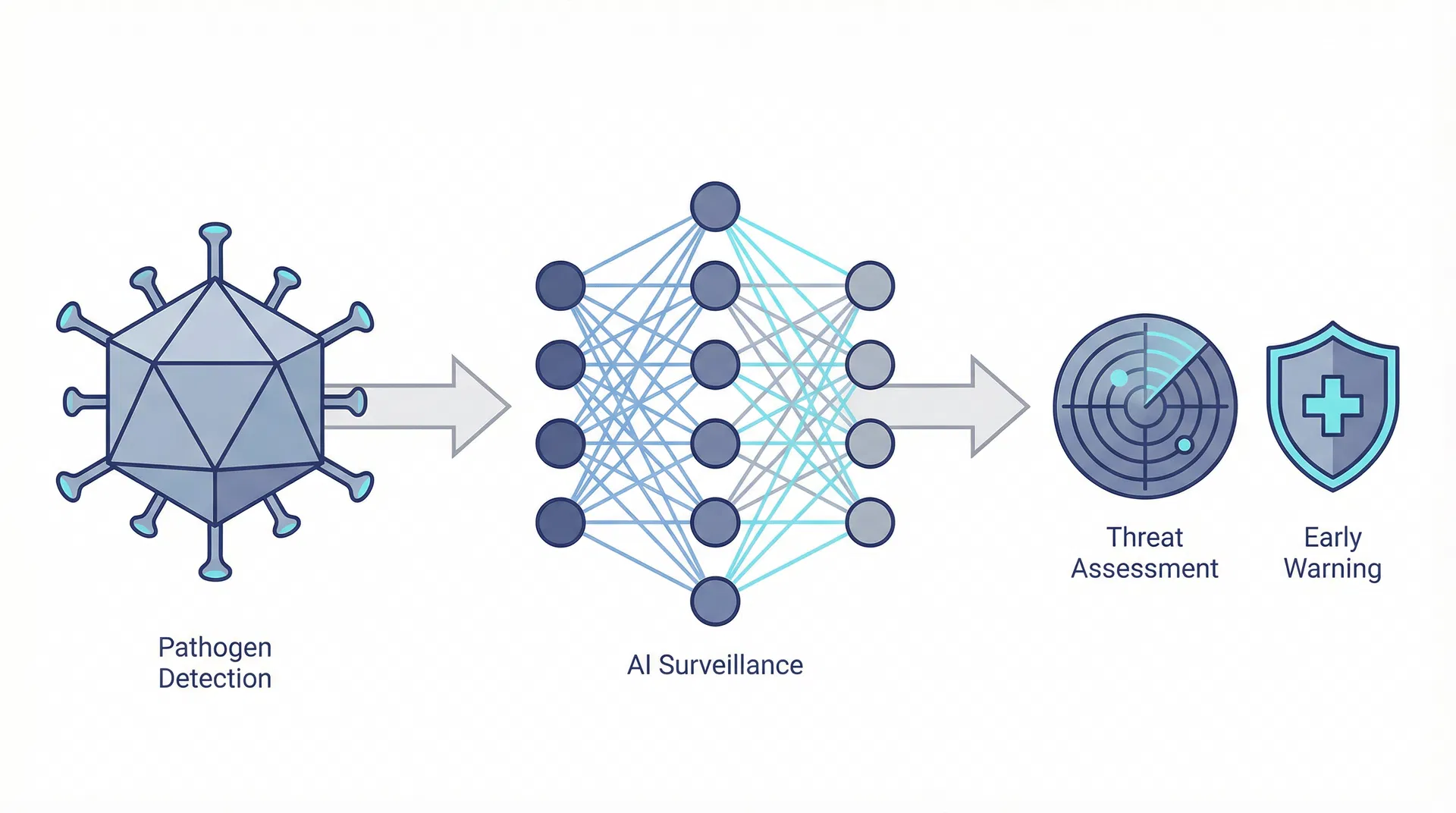
AI-Augmented Biosecurity: How Machine Learning is Reshaping Pathogen Surveillance and Biological Threat Detection
Machine learning and artificial intelligence are fundamentally transforming the landscape of biosecurity — from real-time genomic surveillance of emerging pathogens to predictive modelling of biological threat vectors. This analysis examines the current state of AI-augmented biosecurity, its transformative capabilities, and the governance challenges it introduces.
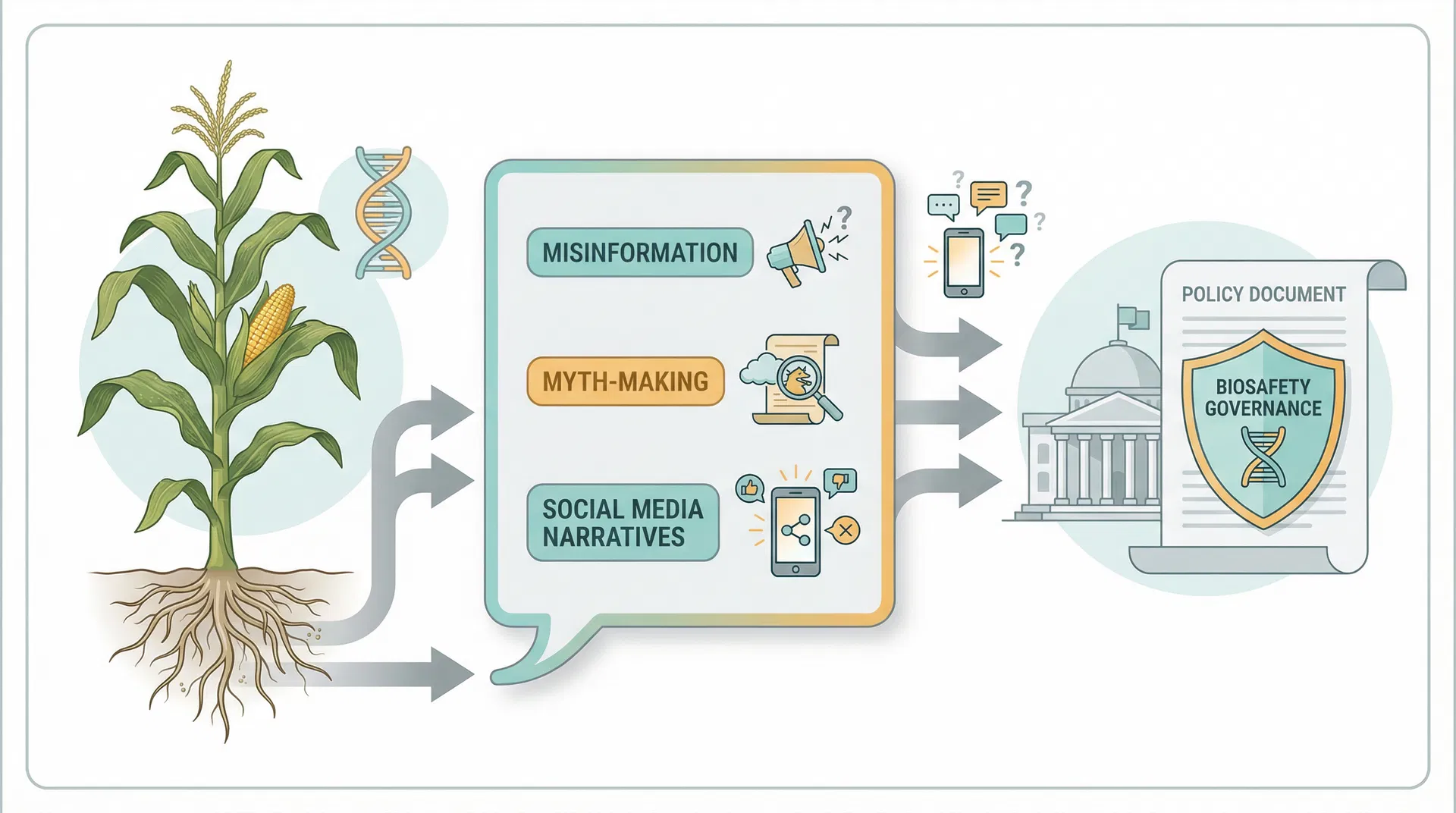
The Infodemic Economy of GMO Narratives: Misinformation, Myth-Making, and Implications for Biosafety Governance
A critical examination of how structured misinformation campaigns around genetically modified organisms have created a parallel 'infodemic economy' that distorts public risk perception, undermines biosafety regulatory frameworks, and demands a new paradigm of evidence-based science communication.
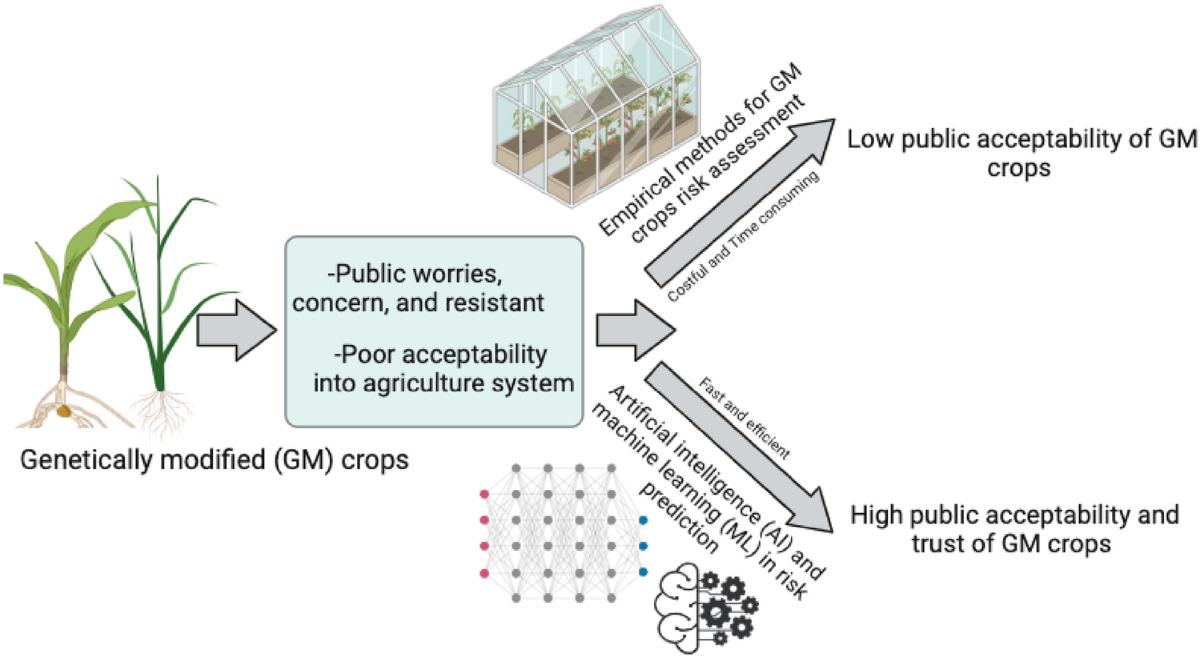
Why Training AI Agents on Domain-Specific Data Is the Key to Trustworthy GMO Science Communication
General-purpose AI models are insufficient for GMO science communication. Domain-specific training on curated datasets like joduor/gmo-faq-pairs on HuggingFace, remastered with AdaptionLabs.ai's Adaptive Data platform, is the foundation for AI agents that communicate agricultural biotechnology with precision, balance, and authority.
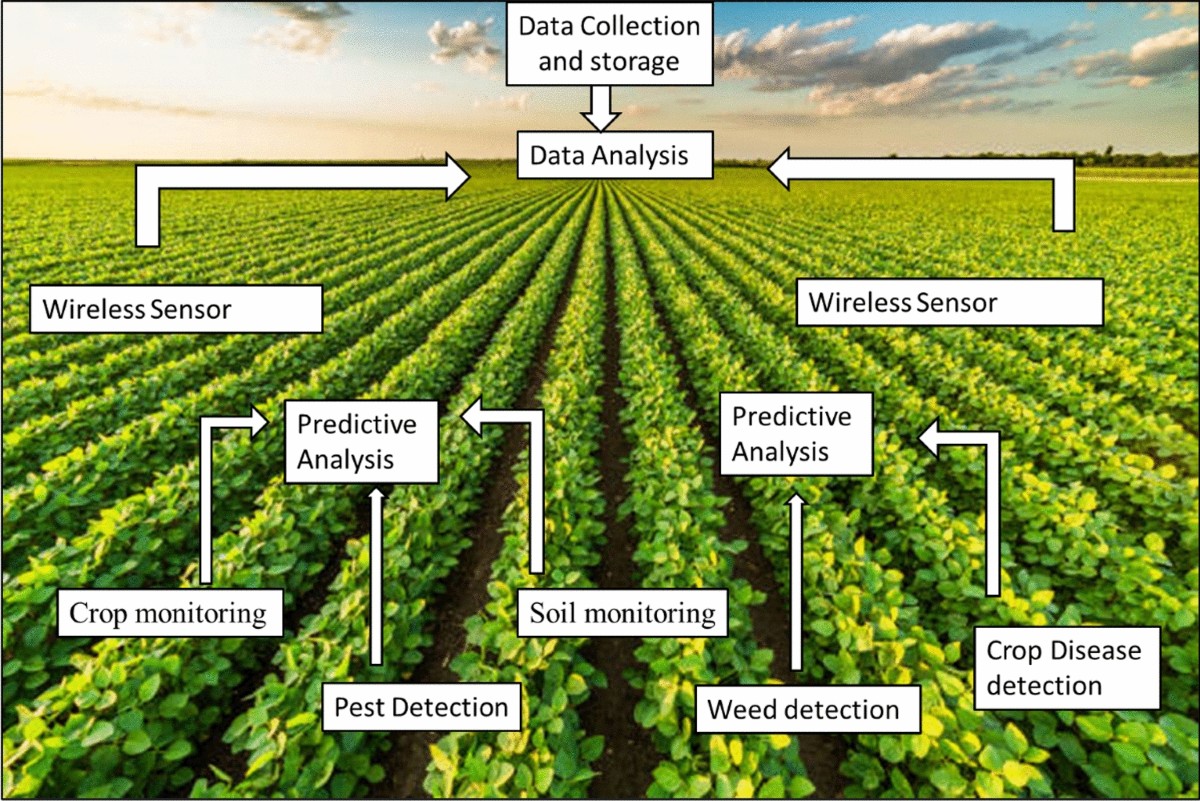
From Myths to Mechanisms — How the GMO Myths Demystification AI Agent Is Reshaping Public Understanding of Agricultural Biotechnology
The GMO Myths Demystification model, trained on the joduor/gmo-faq-pairs dataset on HuggingFace and supported by AdaptionLabs.ai, demonstrates that AI agents can communicate complex agricultural biotechnology science with accuracy, nuance, and appropriate confidence — addressing the most consequential GMO myths with evidence-based precision that general-purpose models cannot reliably replicate.

Building AI Agents That Demystify GMOs — A HuggingFace Fine-Tuning Workflow for Agricultural Science Communicators
HuggingFace's open ecosystem of models, datasets, and fine-tuning tools provides agricultural science communicators with a complete workflow to build AI agents trained on domain-specific GMO data. Using the joduor/gmo-faq-pairs preference training dataset and AdaptionLabs.ai's adaptive data platform, this post presents a practical DPO fine-tuning pipeline for building accurate, evidence-anchored GMO science communication agents.
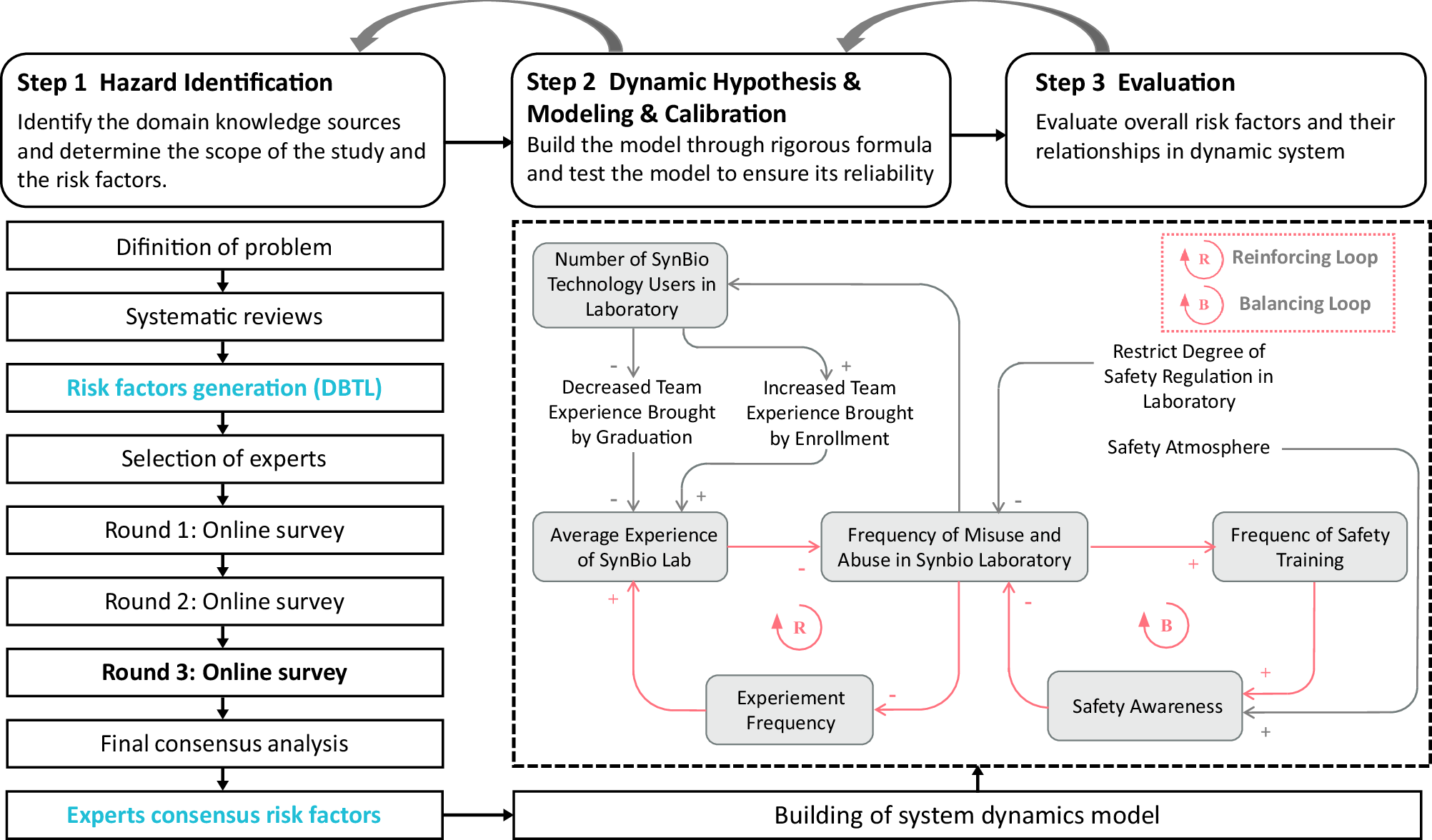
Governing the Ungovernable — How AI Biosecurity Tools Are Reshaping Dual-Use Research Policy
The Biosecurity Risk Detection Algorithm GPT is more than a screening tool — it is a governance innovation that challenges how institutions, journals, and policymakers think about dual-use research oversight in an era of accelerating life sciences capability.
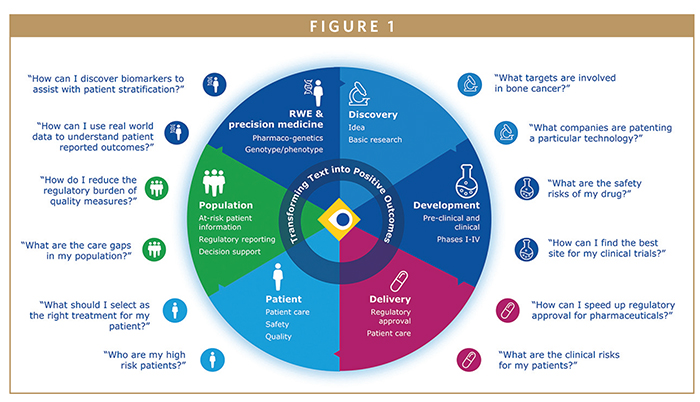
From Keywords to Context — The NLP Architecture Behind AI-Powered Biosecurity Screening
Understanding how the Biosecurity Risk Detection Algorithm GPT uses named entity recognition, transformer-based classifiers, and contextual risk scoring to move beyond simple keyword matching and into genuine biosecurity intelligence.
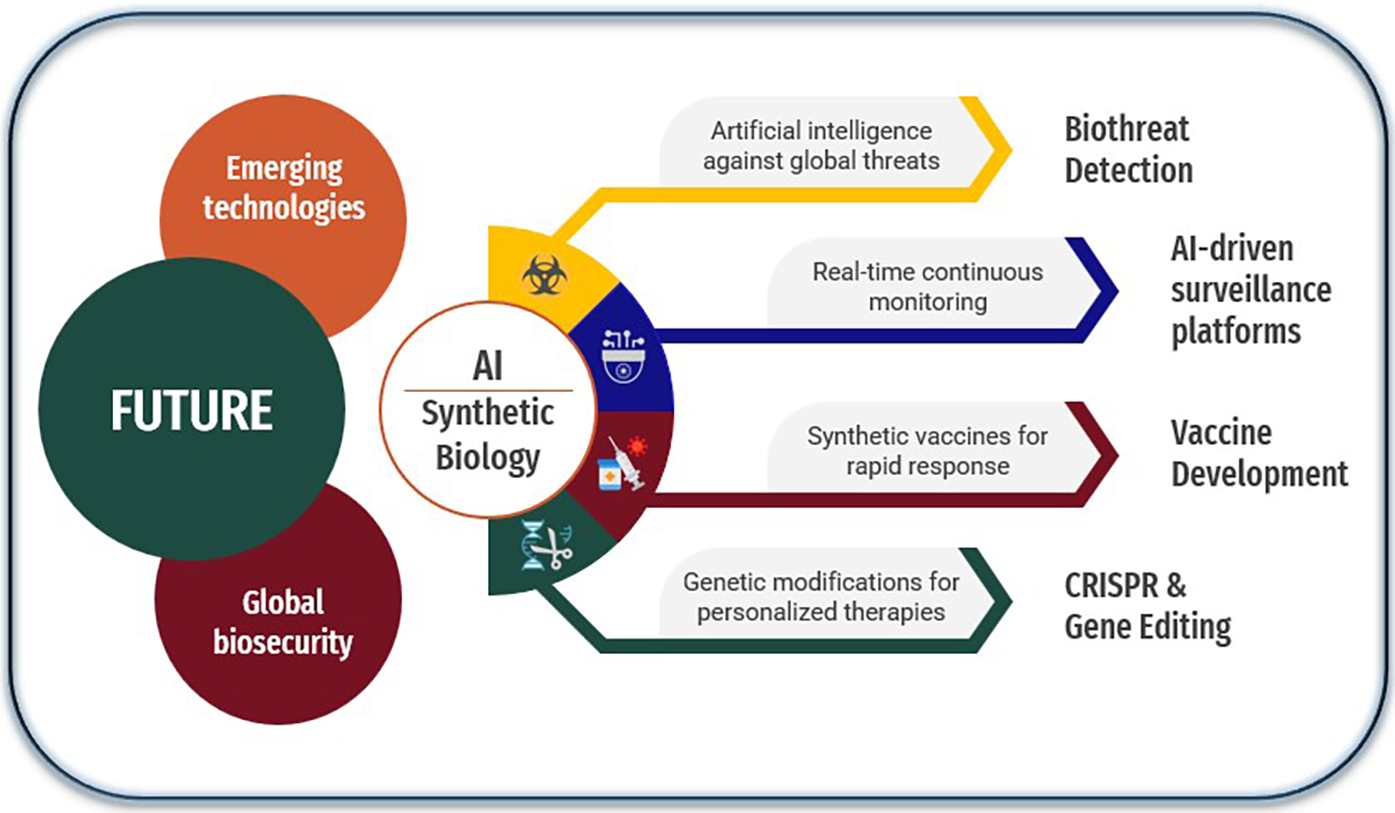
Sentinel in the Stack — How the Biosecurity Risk Detection Algorithm GPT Is Transforming Research Paper Screening
The Biosecurity Risk Detection Algorithm GPT uses advanced NLP and machine learning to scan research papers for biological threats, dual-use risks, and dangerous agent mentions — acting as an always-on sentinel for the global scientific community.
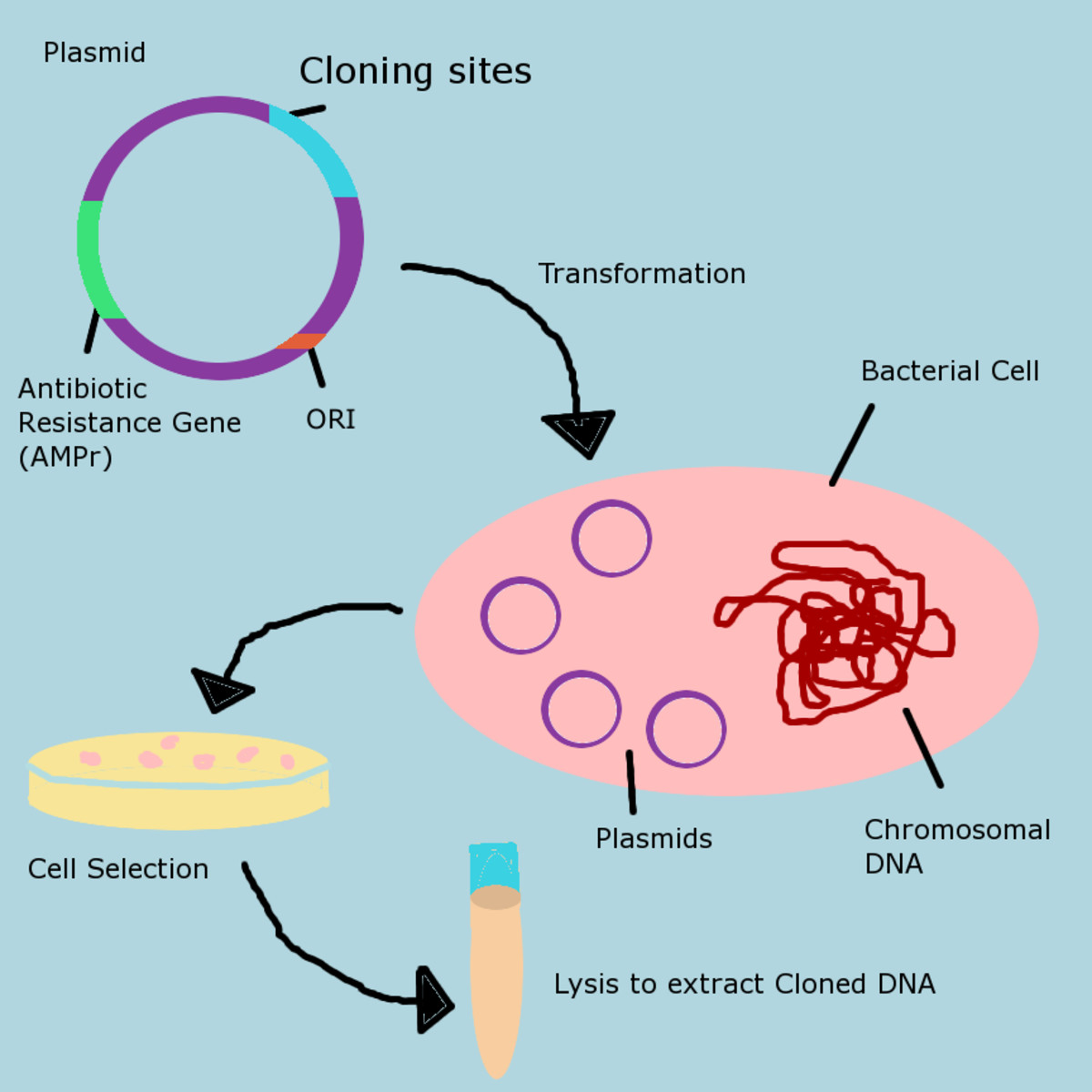
Plasmid Construct GPT: Bridging AI-Assisted Biodesign and Responsible Science Education
Plasmid Construct GPT is a specialised AI tool that transforms natural-language biological research questions into structured, non-operational plasmid blueprint plans — combining the Lyra 4-D prompt optimisation framework with responsible dual-use science education.
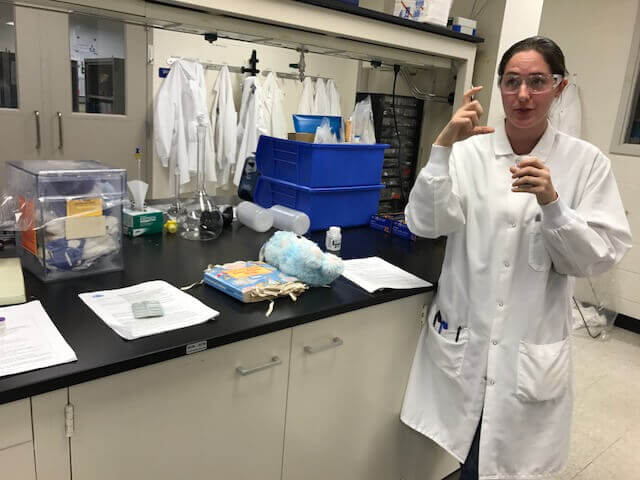
Counterfeit Medicines and the Biosecurity Blind Spot: Why Drug Authentication Must Become a Global Health Priority
The WHO estimates 1 in 10 medicines worldwide are fake or substandard. From antimalarials to GLP-1 inhibitors, counterfeit drugs represent a biosecurity threat that demands systematic, technology-driven responses — and a new UCR invention shows the way forward.
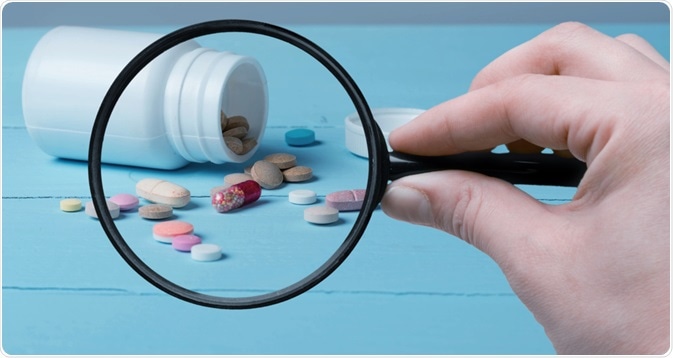
The $5 Pill Test That Could Save Millions: How UCR's Disintegration Fingerprinting Is Rewriting Drug Authentication
UC Riverside researchers have developed a sub-$30 device that identifies counterfeit medications by reading a pill's unique 'disintegration fingerprint' — a breakthrough that could transform pharmaceutical quality control in low-resource settings worldwide.
Rethinking Vaccine Efficacy: The Immunological Paradigm Shift Triggered by KU Leuven's Rega Institute Research
The discovery that CD4-T cells — not antibodies — mediate vaccine protection against Sudan virus forces a fundamental rethink of how we design, evaluate, and approve vaccines globally, with implications for regulatory science, clinical trial design, and pandemic preparedness.
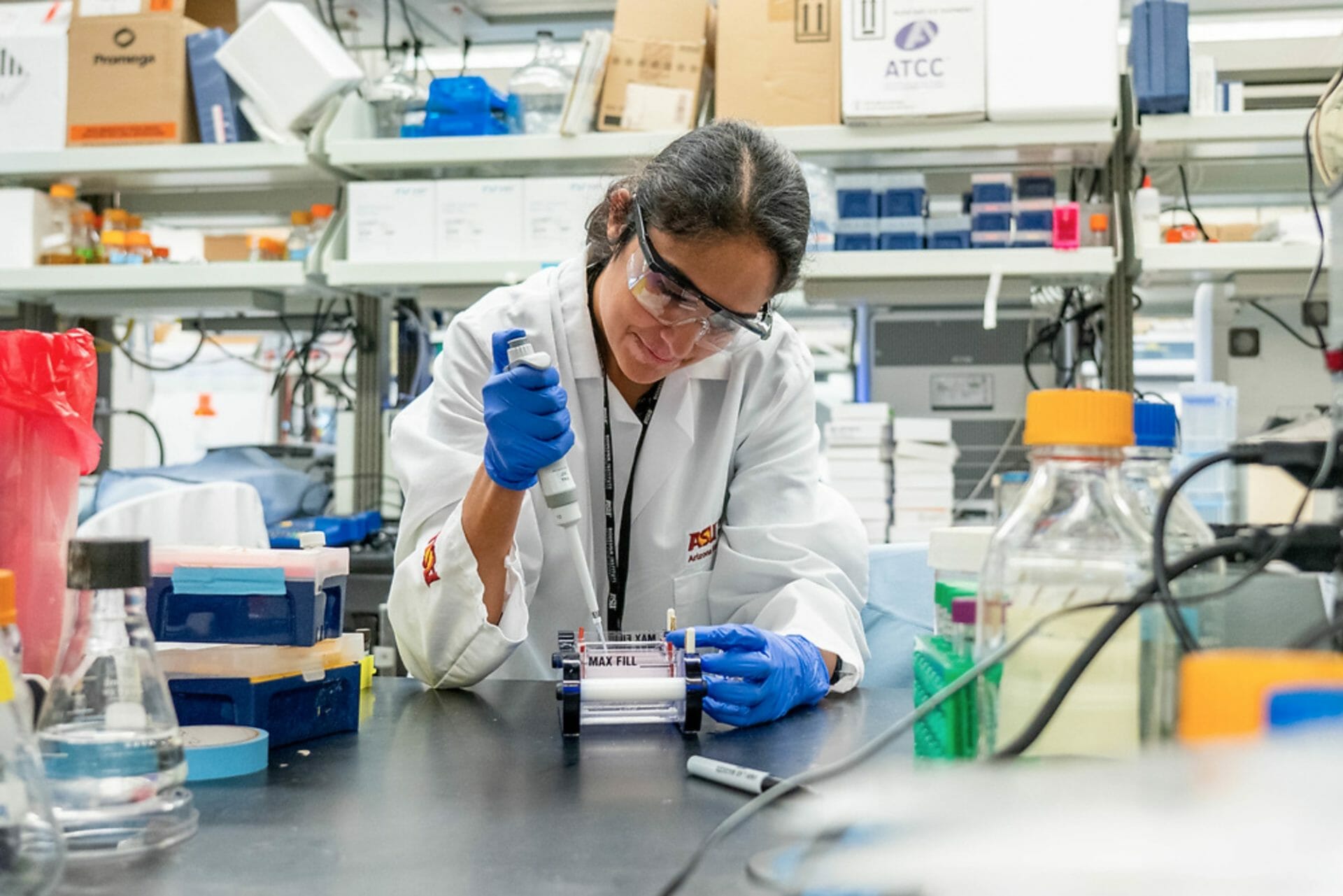
CD4-T Cells as Antiviral Protagonists: What the KU Leuven Sudan Virus Study Means for Africa's Vaccine Pipeline
The KU Leuven Rega Institute's discovery that CD4-T cells — not antibodies — drive protection against Sudan virus has direct implications for Africa's neglected disease vaccine pipeline, from Marburg to Lassa fever and beyond.
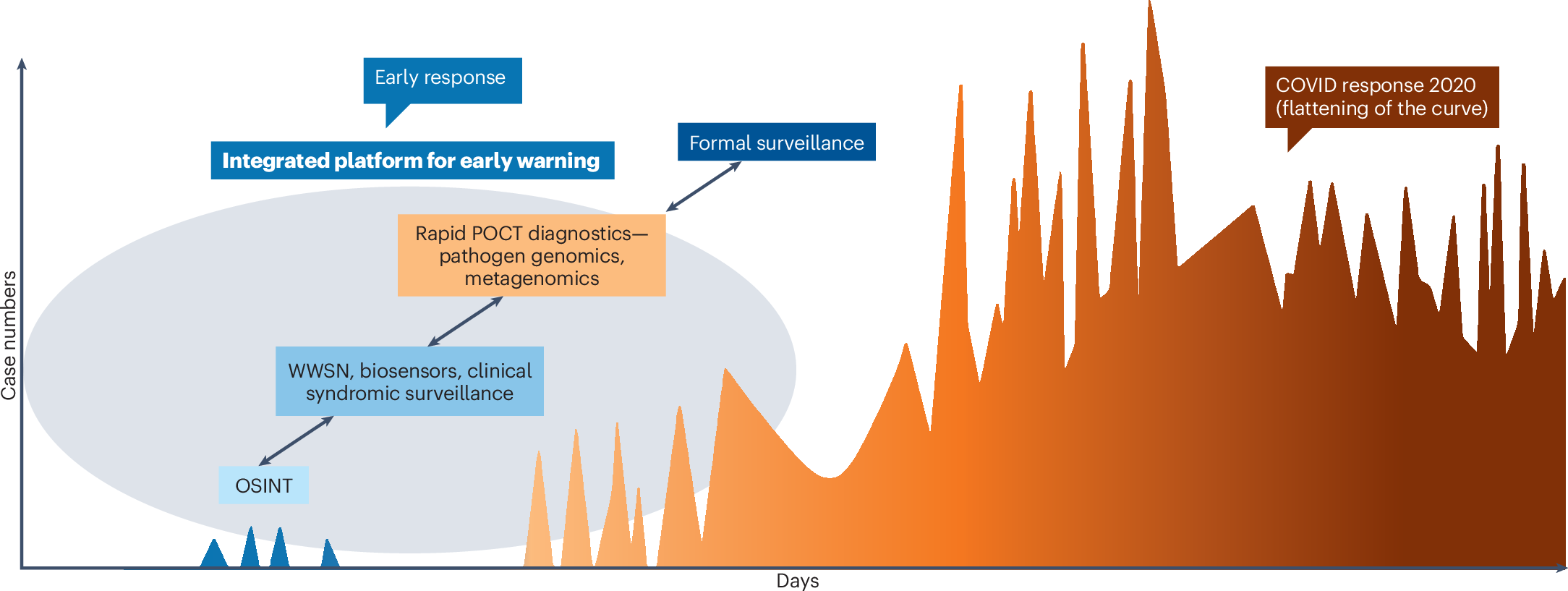
Beyond COVID-19: The Expanding Frontier of Wastewater Surveillance for AMR, Drug Monitoring, and Pandemic Preparedness
Wastewater surveillance has proven its value as an early warning system for infectious disease. But its potential extends far beyond pathogen detection — encompassing antimicrobial resistance monitoring, illicit drug epidemiology, nutritional surveillance, and the detection of chemical and biological threats. This post explores the expanding frontier of wastewater-based epidemiology as a pillar of global health security.
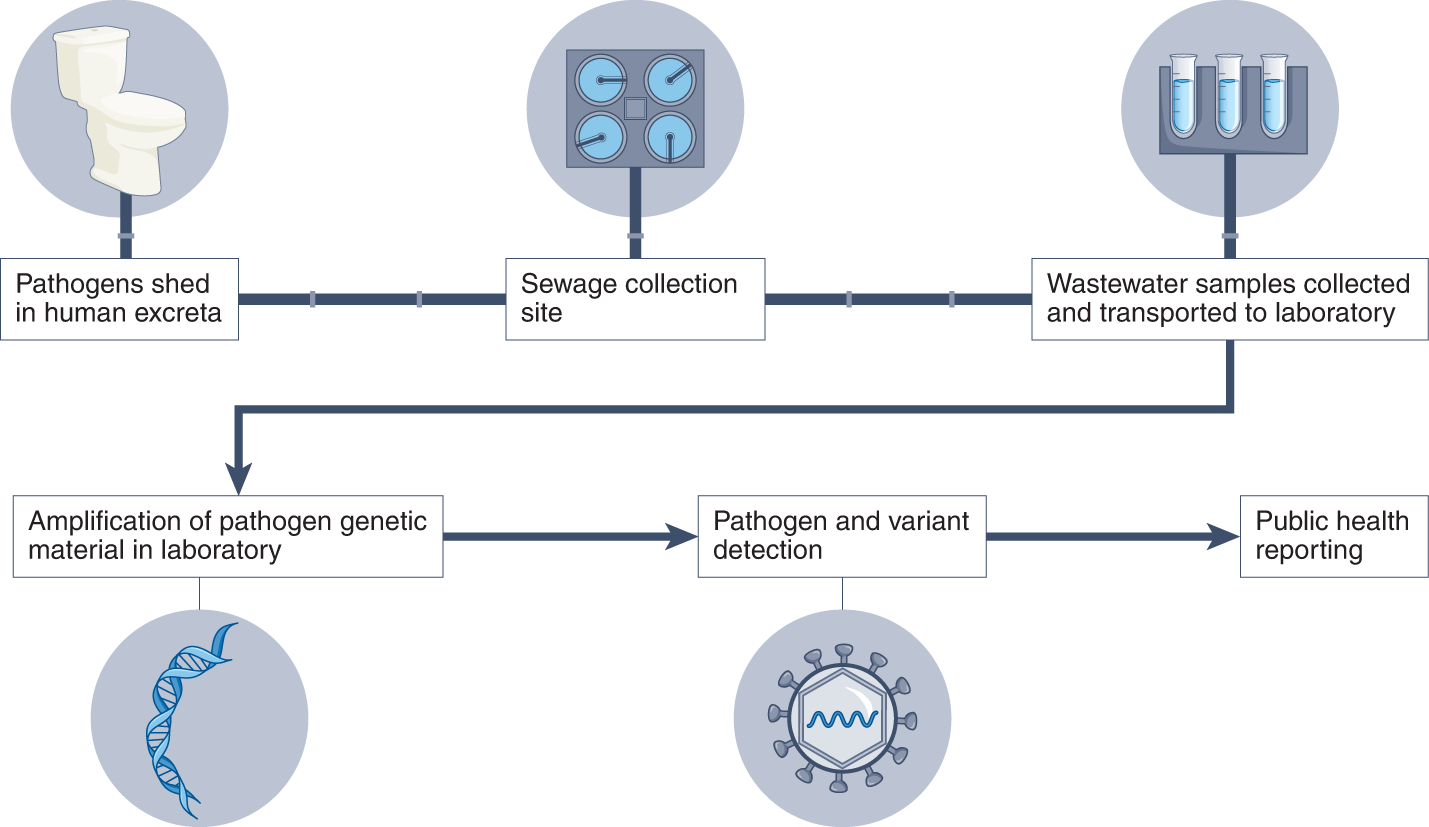
The Sewer as Sentinel: How Wastewater Surveillance Is Transforming Pathogen Detection and Public Health Early Warning
Wastewater surveillance is one of the most effective tools for monitoring pathogens, acting as an early warning system that detects their presence in a community before widespread transmission occurs. By analysing what communities collectively shed into their sewage systems, public health authorities can gain a population-level view of infectious disease dynamics that no clinical surveillance system can match.
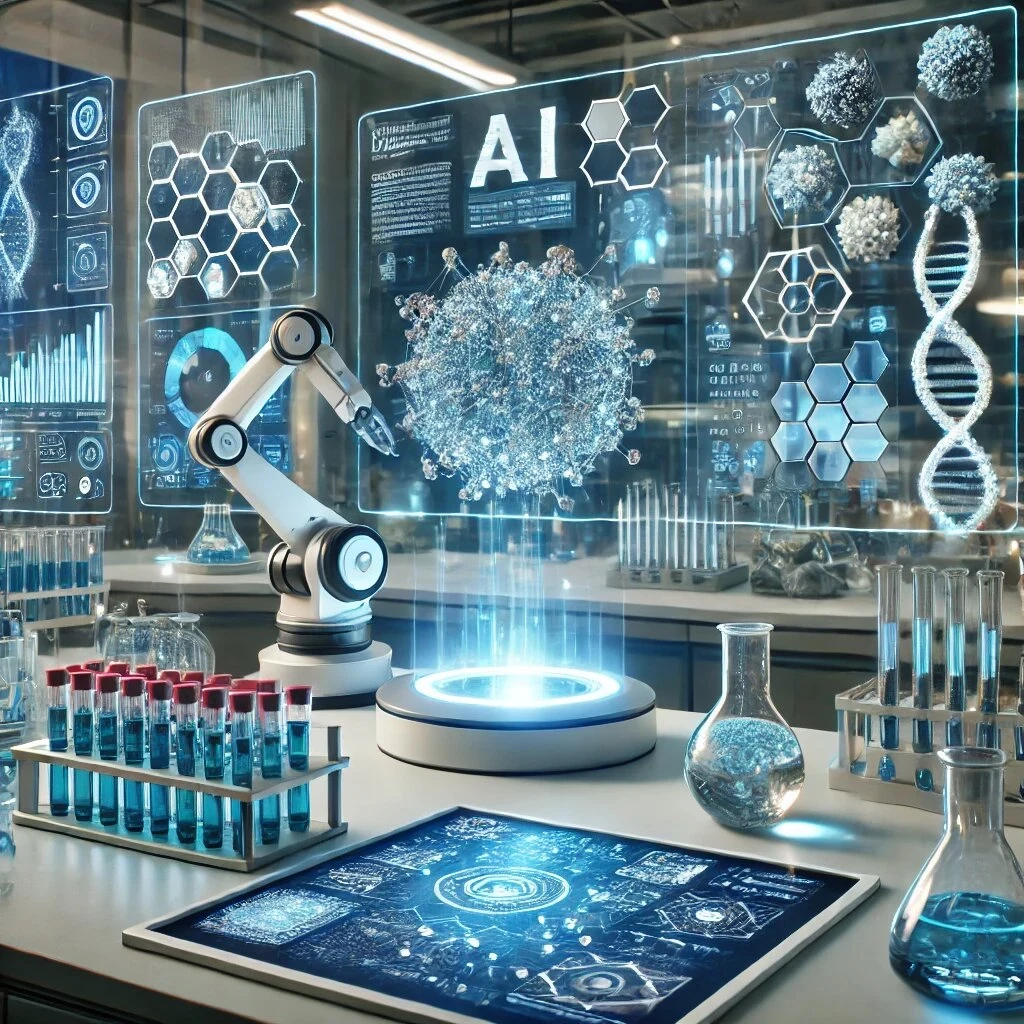
From Prompt to Therapeutic Drug: How Polymath Learning Is Powering the Next Generation of Pharmaceutical AI
The road from a molecular prompt to a therapeutic drug is long, expensive, and littered with failure. Polymath learning — a radical approach to AI training grounded in extreme data efficiency and cross-domain generalisation — is beginning to change that calculus, offering a path toward pharmaceutical superintelligence that can reason across biology, chemistry, and physics simultaneously.
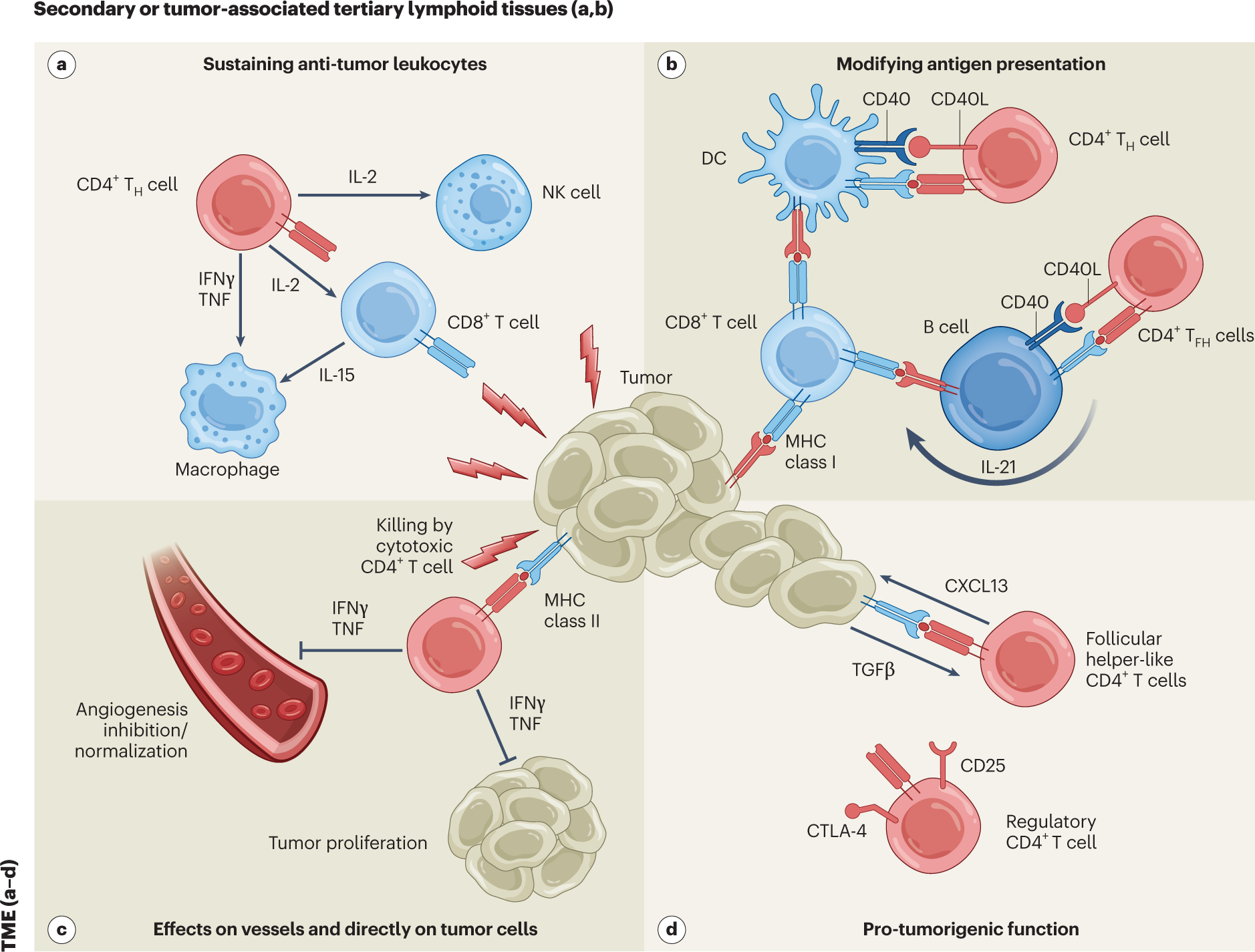
Beyond Antibodies: How KU Leuven's Groundbreaking Sudan Virus Research Is Rewriting the Rules of Vaccine Science
A landmark study from KU Leuven's Rega Institute reveals that CD4-T cells — not antibodies — are the unsung heroes of protection against Sudan virus, challenging decades of vaccine evaluation dogma and opening new frontiers in immunology.
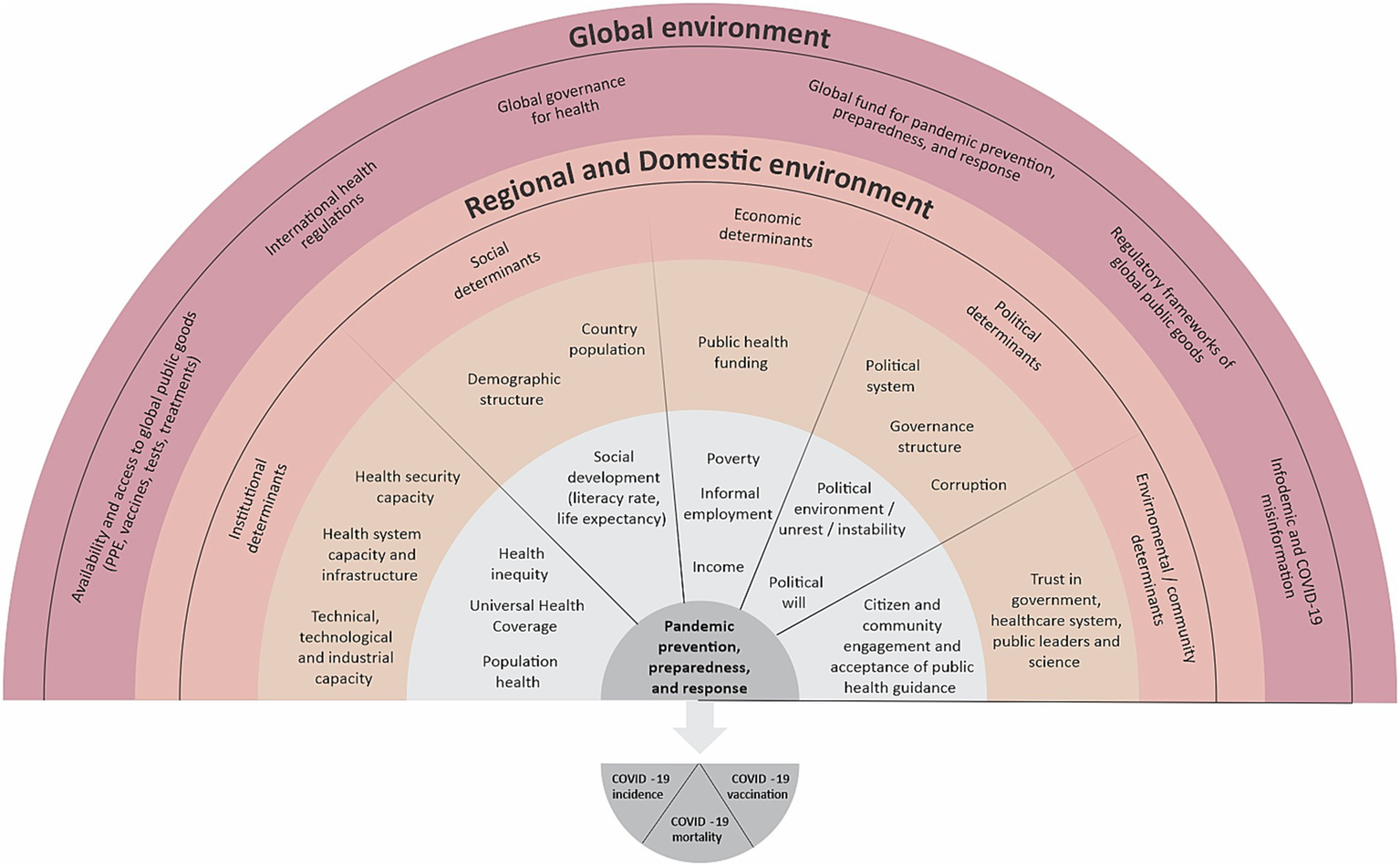
Democratising Epidemiological Decision Support: How Excel VBA Bridges the Gap in Global Health Preparedness
Global health preparedness is only as strong as its weakest link — and that link is often the absence of accessible analytical tools in frontline settings. The Epidemic Calculator Model Excel VBA Dashboard represents a deliberate effort to close this gap by bringing outbreak simulation to any computer, anywhere in the world.
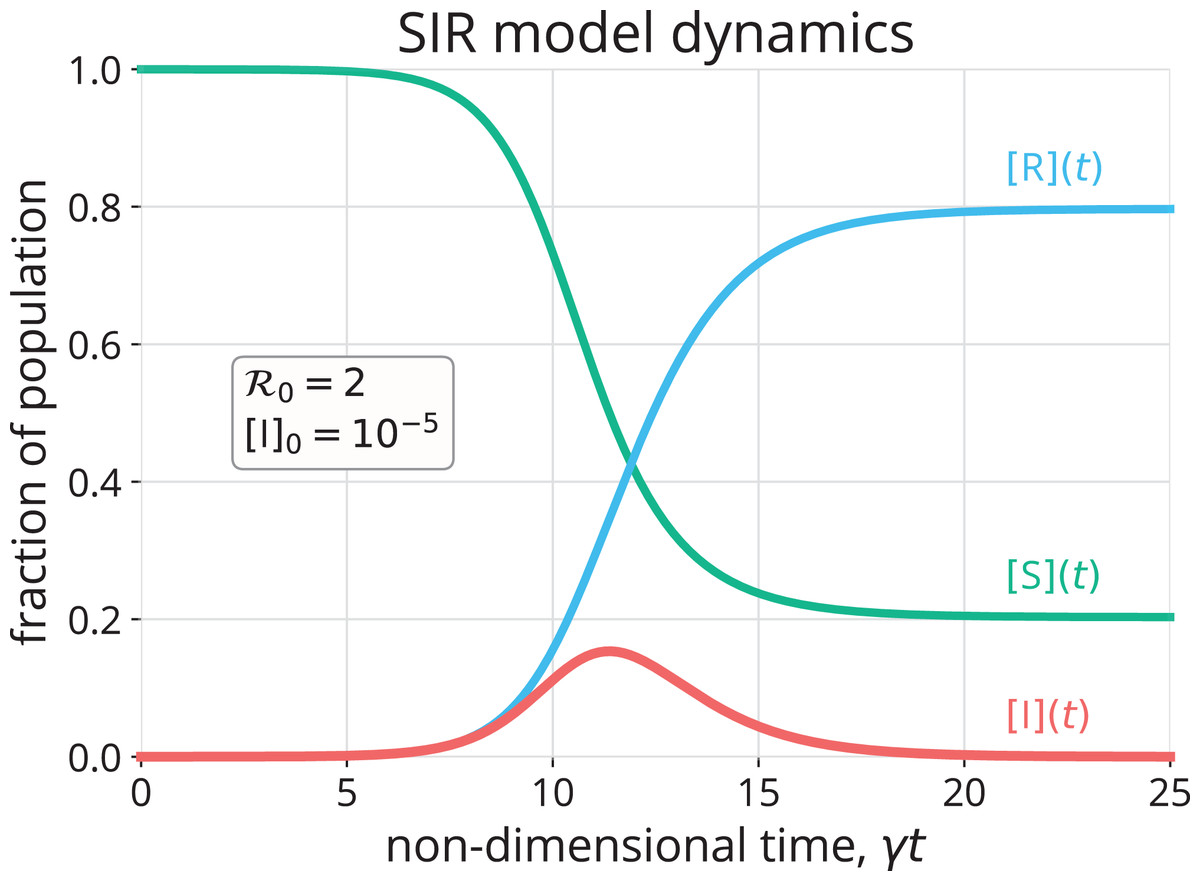
Modelling Epidemic Curves Without the Cloud: The Science Behind the SIR Model in Excel VBA
The SIR (Susceptible-Infected-Recovered) model is the backbone of modern epidemiology. This post explores how the Epidemic Calculator Model Excel VBA Dashboard implements this mathematical framework to simulate outbreak trajectories, visualise epidemic curves, and test intervention strategies — entirely offline.
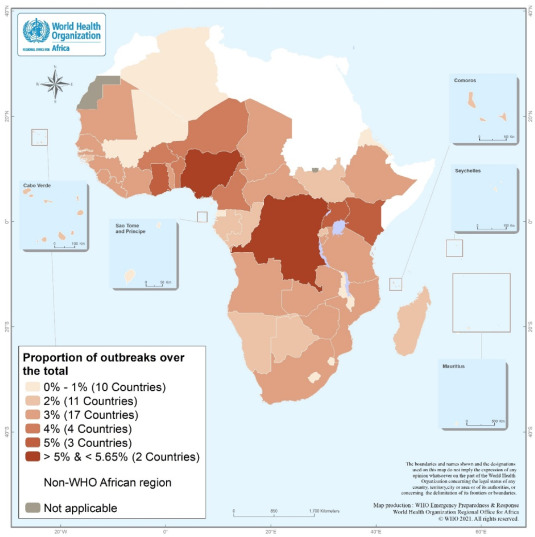
Offline Epidemiology in the Field: Why an Excel VBA Epidemic Calculator Is a Game-Changer for Low-Resource Settings
In regions where internet connectivity is unreliable and specialised software is unaffordable, the Epidemic Calculator Model Excel VBA Dashboard offers a powerful, portable, and accessible solution for simulating disease outbreaks and informing public health decisions.
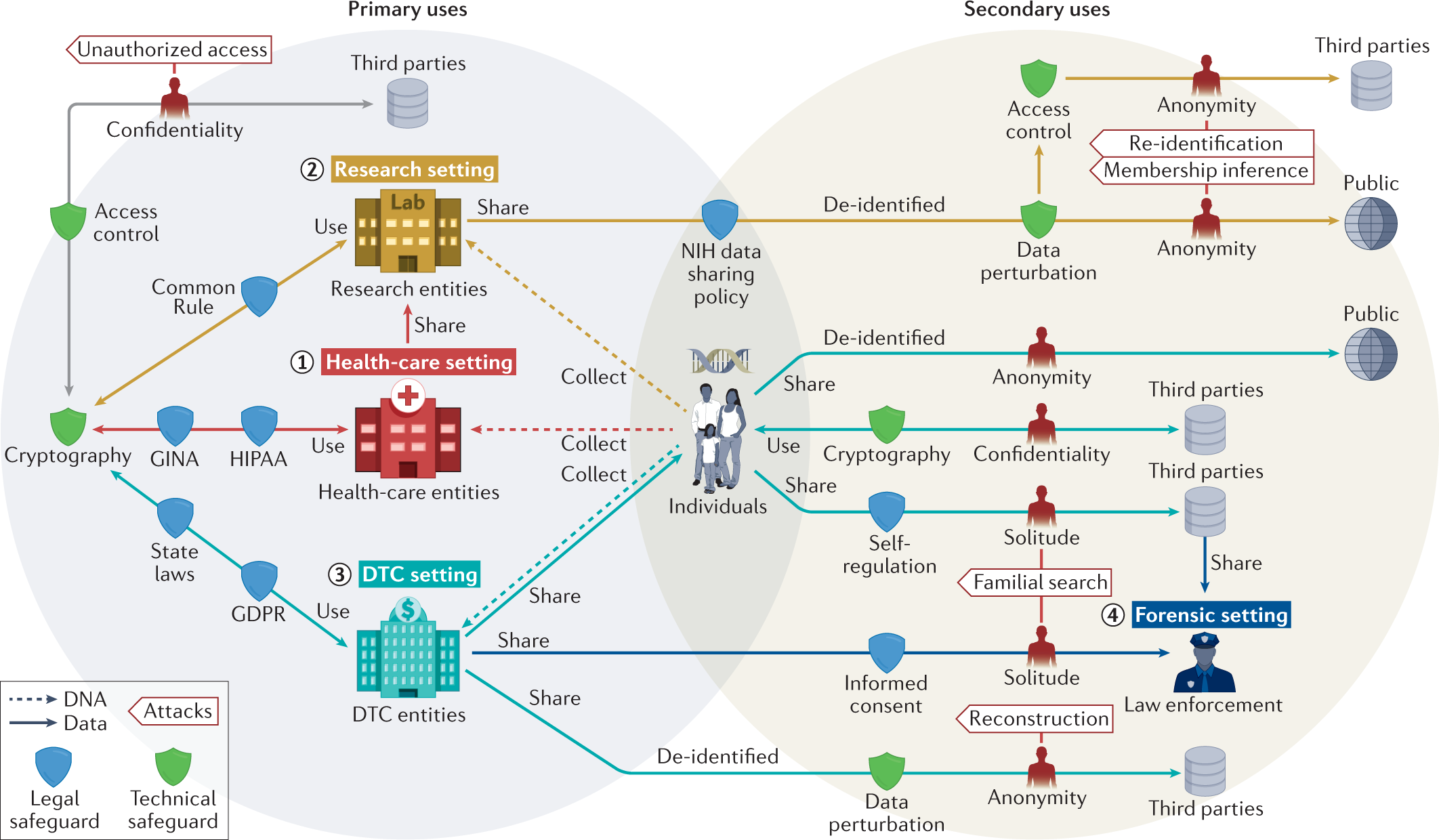
Cryptographic Privacy Meets Biosecurity: The Technical Architecture Behind Responsible DNA Screening
The tension between biosecurity screening and scientific privacy has long been seen as irreconcilable. Cryptographic hashing protocols are changing that — and BioScreens is building the infrastructure that makes both possible simultaneously.
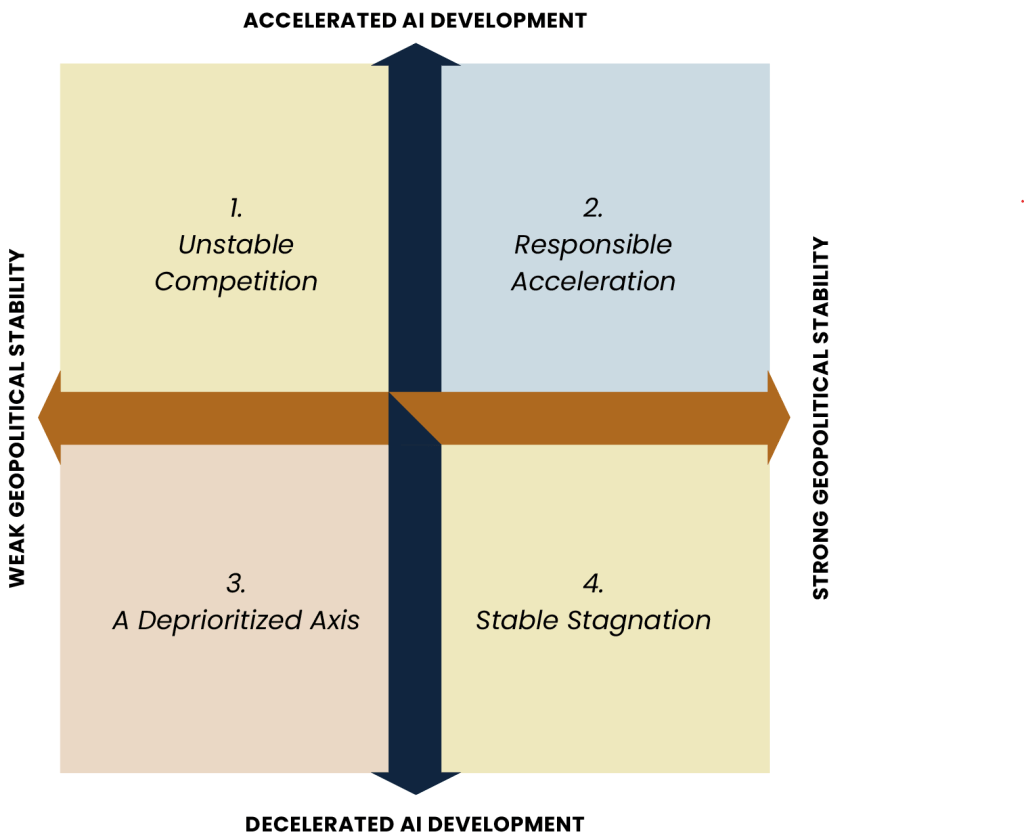
Beyond the Ethics Board: Using AI to Identify Dual-Use Research of Concern Before It Causes Harm
The 15 categories of Dual-Use Research of Concern represent the most carefully constructed framework in modern biosecurity policy. BioScreens brings AI to bear on the challenge of applying that framework at scale — before research is published, not after.
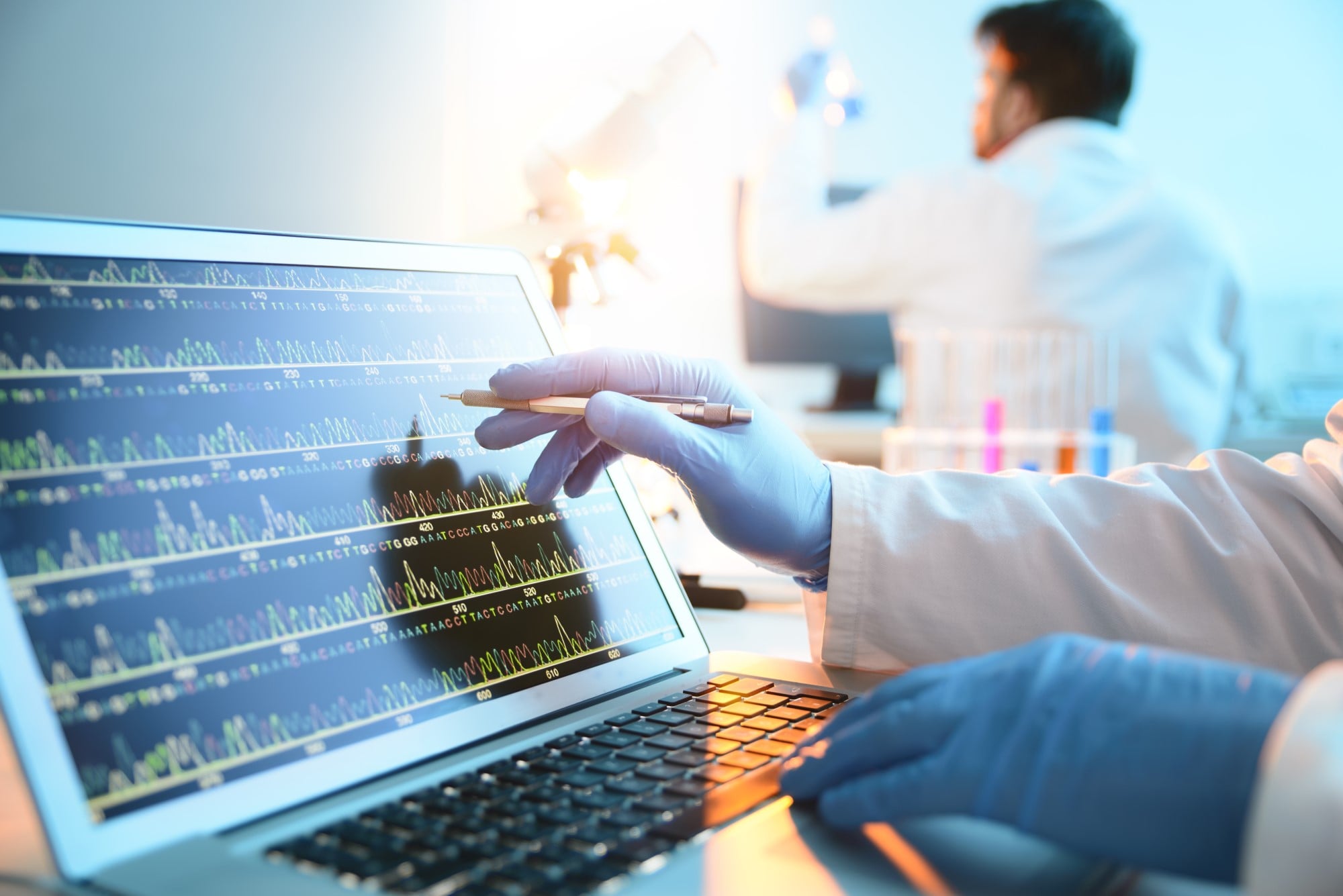
The Last Line of Defence: How Real-Time DNA Sequence Screening Is Redefining Biosecurity Compliance
As synthetic biology democratises access to gene synthesis, the ability to screen DNA sequences for biosecurity hazards in real time has become a non-negotiable infrastructure requirement. BioScreens is building that infrastructure.

AI Tutors, Interactive Experiments, and the Future of Science Literacy: What WebletGPT Tells Us About the Next Generation of Scientific Education
As AI tutoring meets browser-based simulation, a new model of science literacy is emerging — one that is accessible, adaptive, and capable of building the deep conceptual understanding that complex global challenges demand.
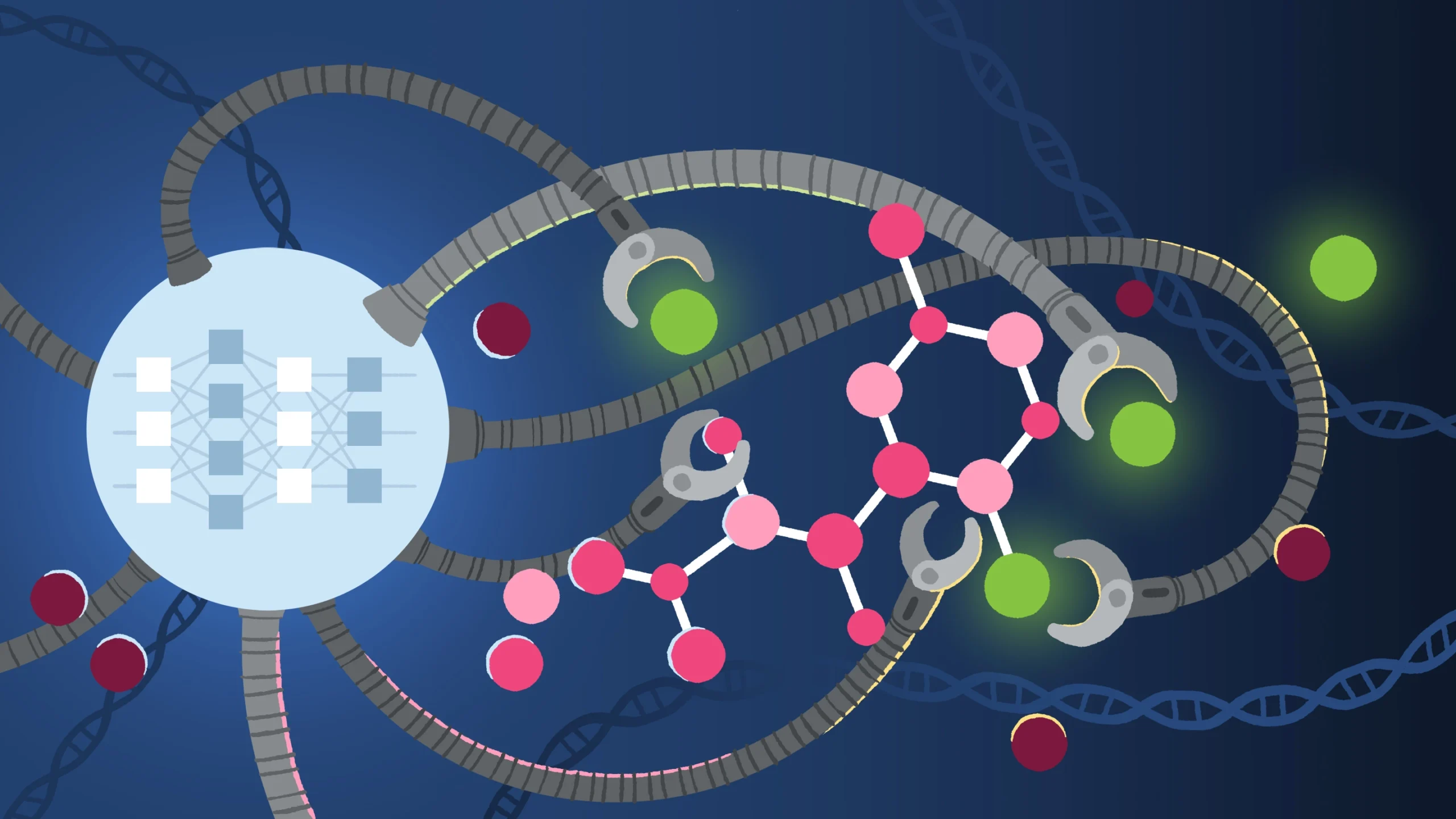
Gene Expression to Gravity: Using AI-Enhanced Simulations to Bridge the Gap Between Classroom Biology and Research-Level Understanding
From neuron action potentials to natural selection dynamics, AI-powered biology simulations on platforms like WebletGPT are closing the conceptual gap between introductory science education and the intuitions required for advanced biological research.

The Classroom Without Walls: How AI-Powered Science Simulations Are Transforming STEM Education
Interactive, browser-based simulations enhanced by AI tutoring are redefining how students, researchers, and science communicators engage with physics, chemistry, and biology — and platforms like WebletGPT are leading the charge.
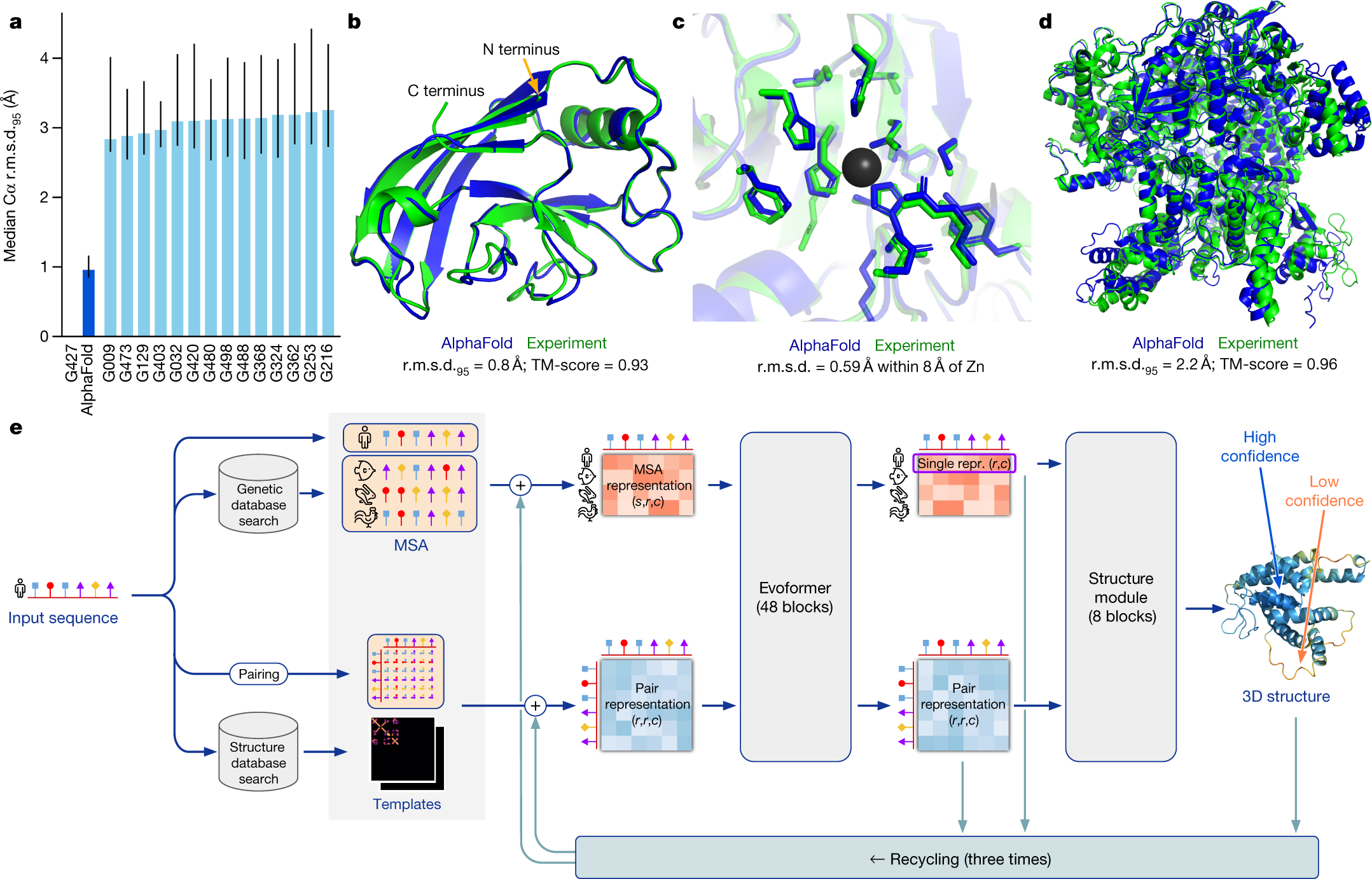
From CRISPR to AlphaFold2: A Researcher's Guide to Multi-Step Bioinformatics Workflows on Workflomics
Modern biological research rarely fits into a single tool. This practical guide walks through three complete multi-step bioinformatics workflows — CRISPR guide design, protein structure prediction, and metagenomics — using the Workflomics unified platform.
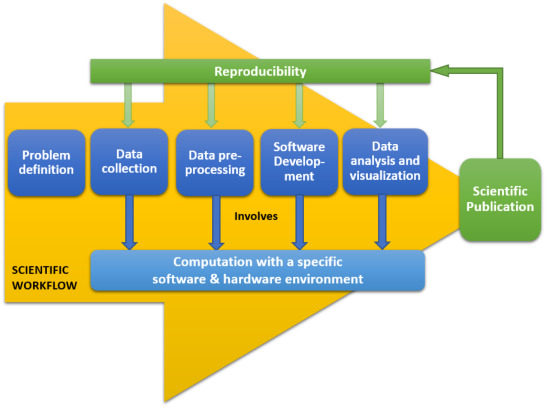
Benchmarked Bioinformatics: Why Reproducibility and Performance Metrics Are the Foundation of Credible Life Science Research
The reproducibility crisis in bioinformatics is not a software problem — it is an infrastructure problem. Workflomics addresses it with an integrated benchmark system that validates workflow performance across runtime, memory, accuracy, and cost on a unified platform.
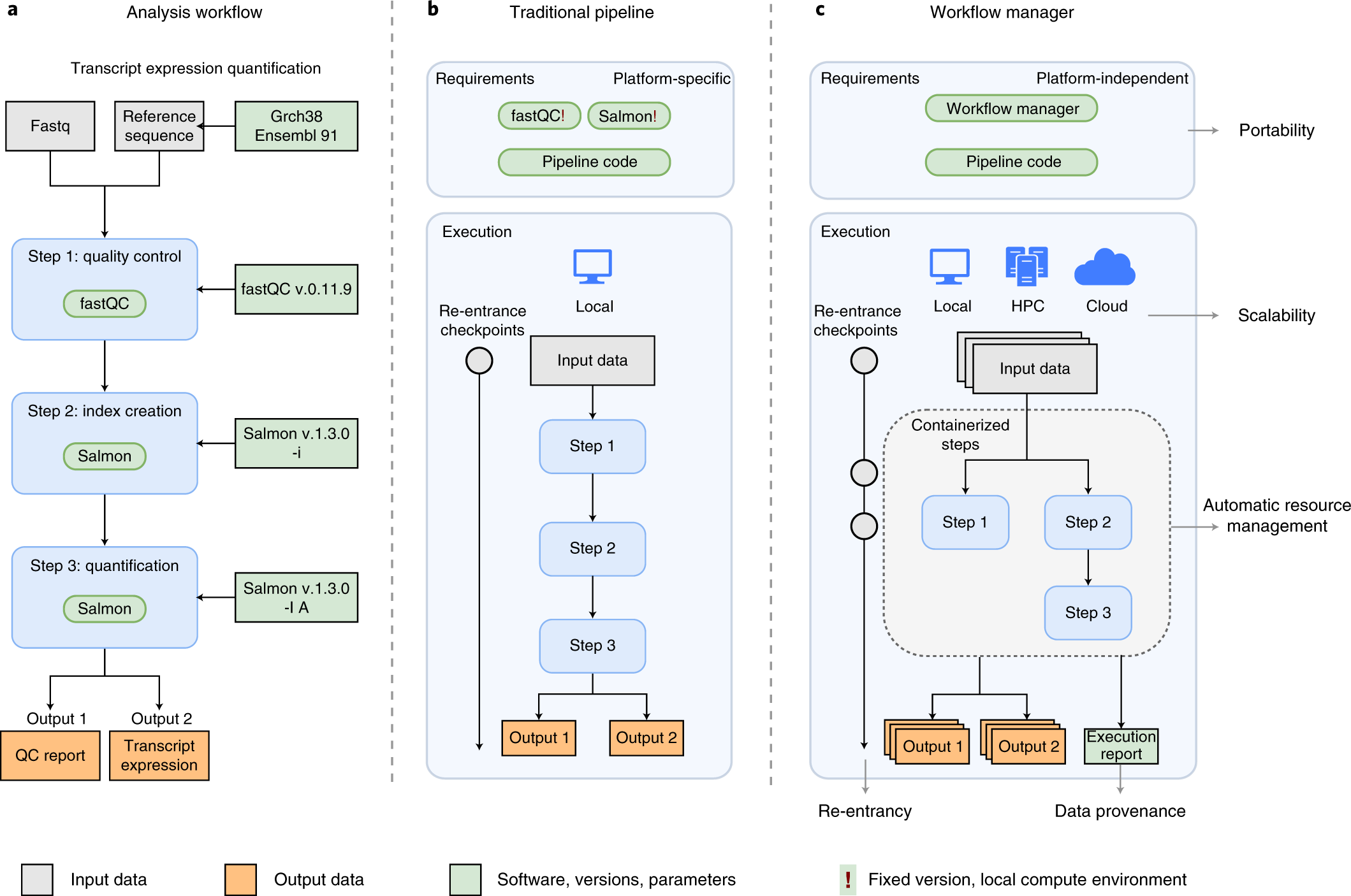
MCP as the New Infrastructure for Bioinformatics: How Workflomics Unifies 39+ Tools Into One Platform
The Model Context Protocol is transforming bioinformatics from a fragmented collection of standalone tools into a coherent, interoperable infrastructure. Workflomics is leading this shift — connecting 39+ tools and 30 databases through a single MCP server hub.
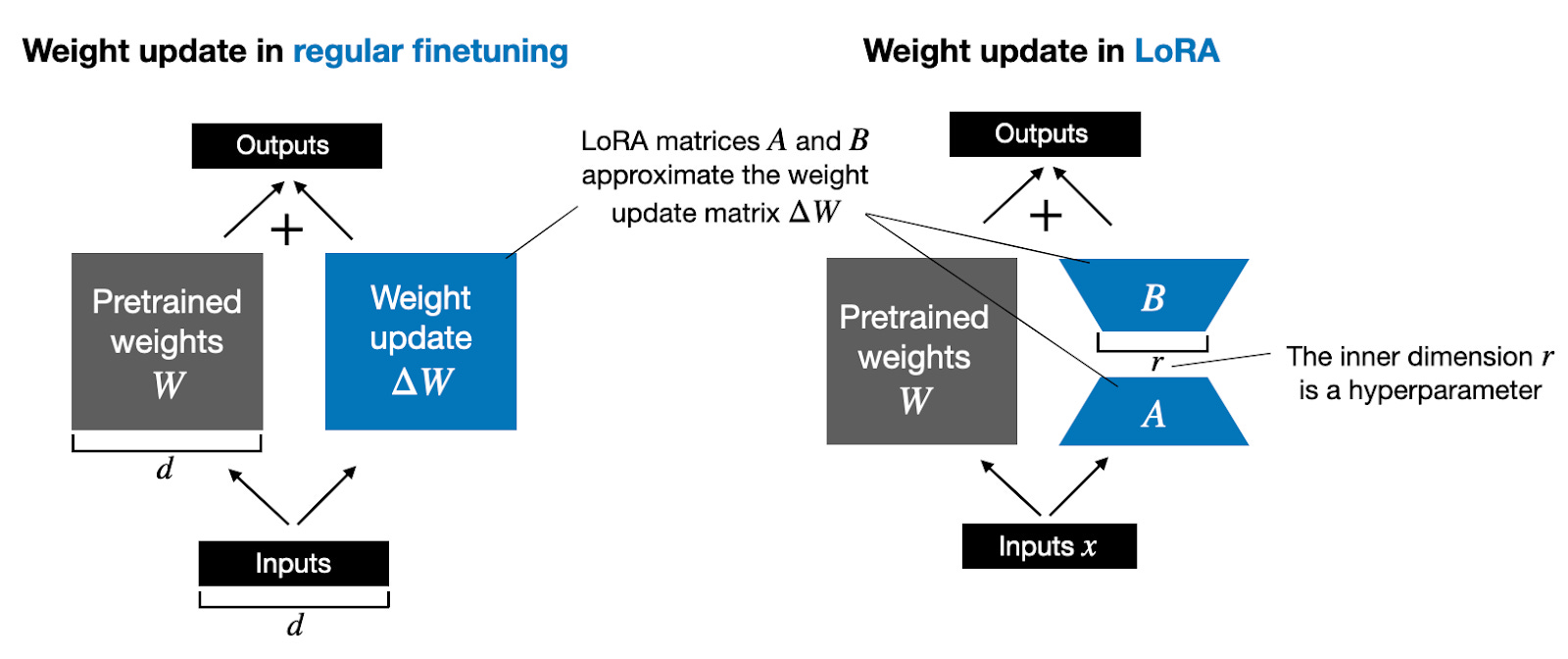
LoRA Studio in Life Sciences: Fine-Tuning Biological Foundation Models for Precision Drug Discovery
The emergence of LoRA (Low-Rank Adaptation) as a fine-tuning methodology has transformed what is computationally possible for individual research groups. Platforms like Invitron's LoRA Studio are now bringing this capability directly into preclinical research workflows — enabling researchers to adapt large biological foundation models to their specific experimental context without the compute infrastructure of a major pharmaceutical company.
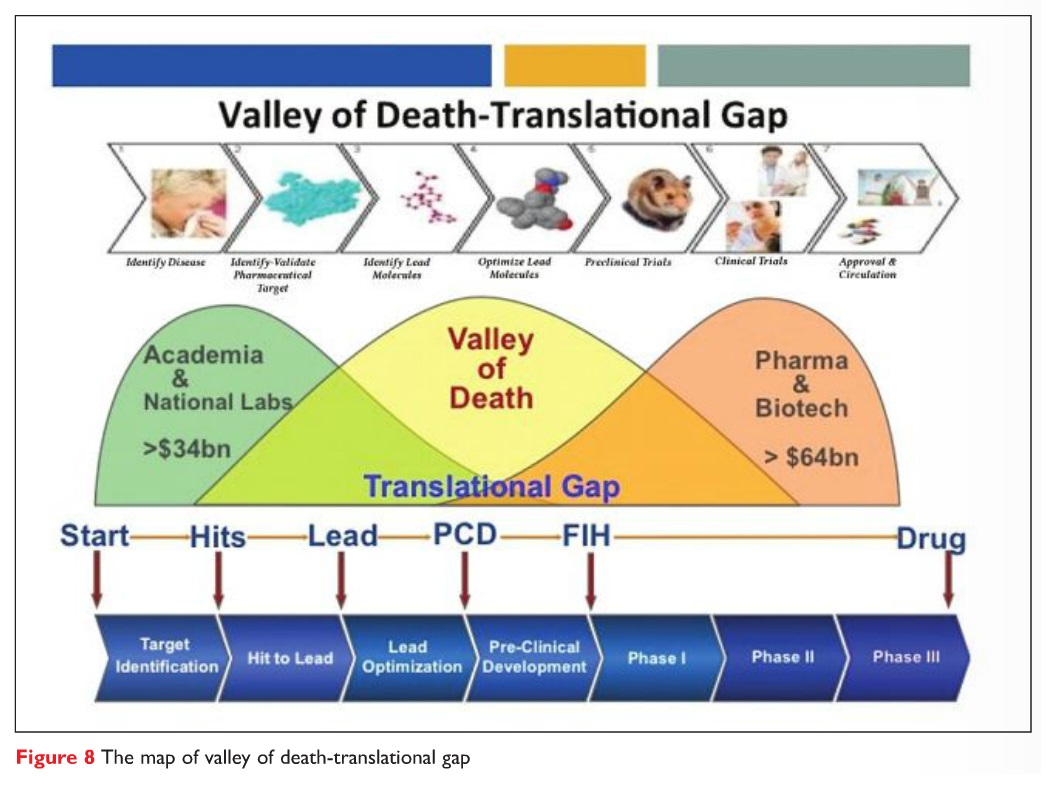
The Translational Gap in Drug Development — How AI-Powered In Silico Models Are Closing It
The 90% failure rate of drug candidates in clinical trials is not a mystery — it is a predictable consequence of the translational gap between animal biology and human physiology. AI-powered in silico models are now providing the most credible path to closing that gap, by replacing the biological approximation of animal testing with computational models built directly on human biological data.
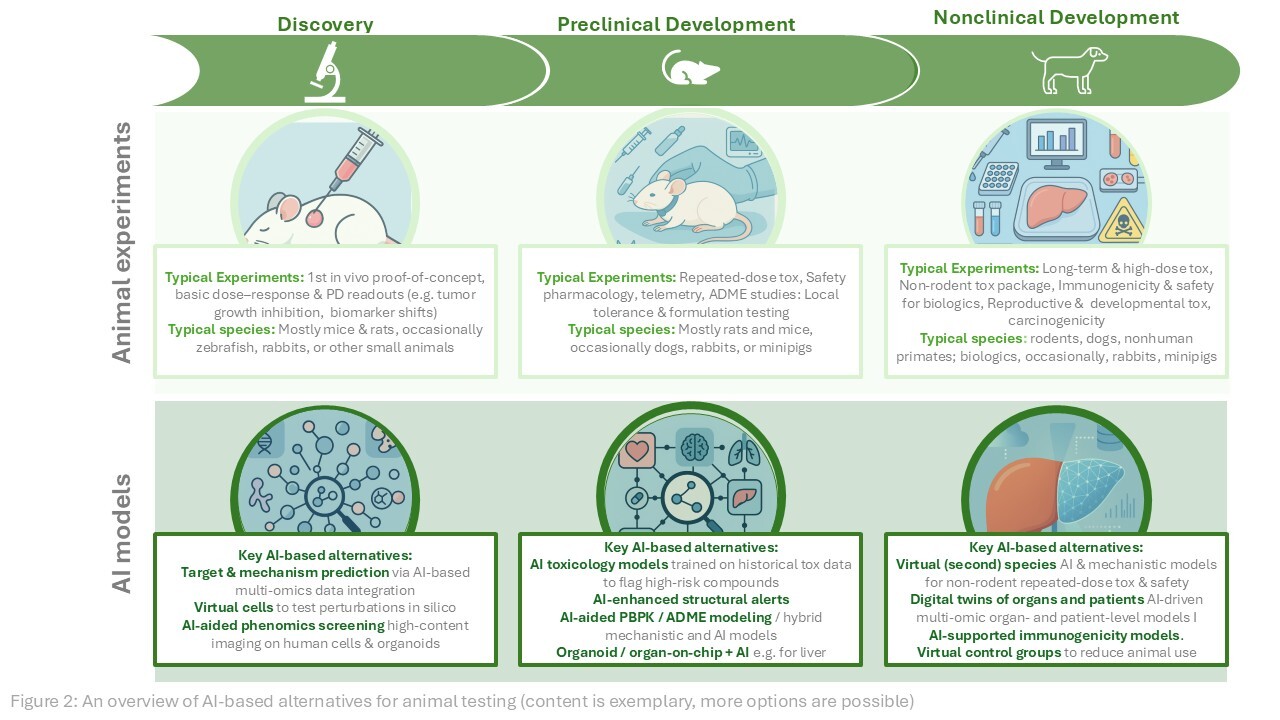
The End of the Animal Lab? How Precision Digital Animal Models Are Rewriting Preclinical Research
For nearly a century, the drug development pipeline has depended on live animal testing as the primary gateway to human clinical trials. That paradigm is now being dismantled — not by regulation alone, but by the emergence of AI-powered, genetically-engineered in silico animal models that are demonstrably more predictive, faster, and ethically defensible than their biological counterparts.
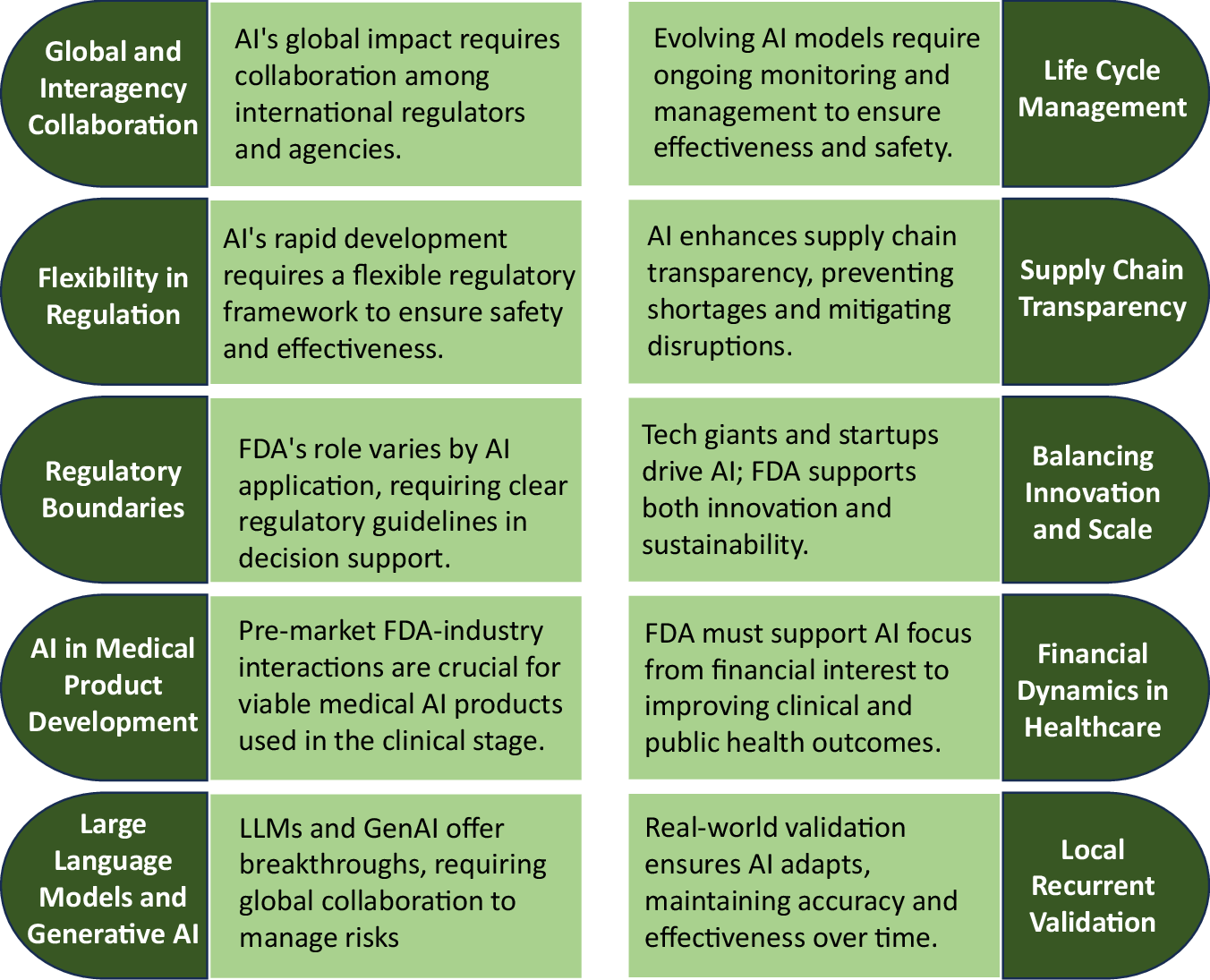
Regulatory Genomics and AI: How Machine Learning Is Reshaping Biosafety Decision-Making
Regulatory genomics — the application of genomic data and computational methods to biosafety and regulatory decision-making — is undergoing a profound transformation driven by machine learning. From GMO characterisation and risk assessment to pathogen identification and dual-use research governance, AI is becoming the analytical backbone of modern biosafety regulation.
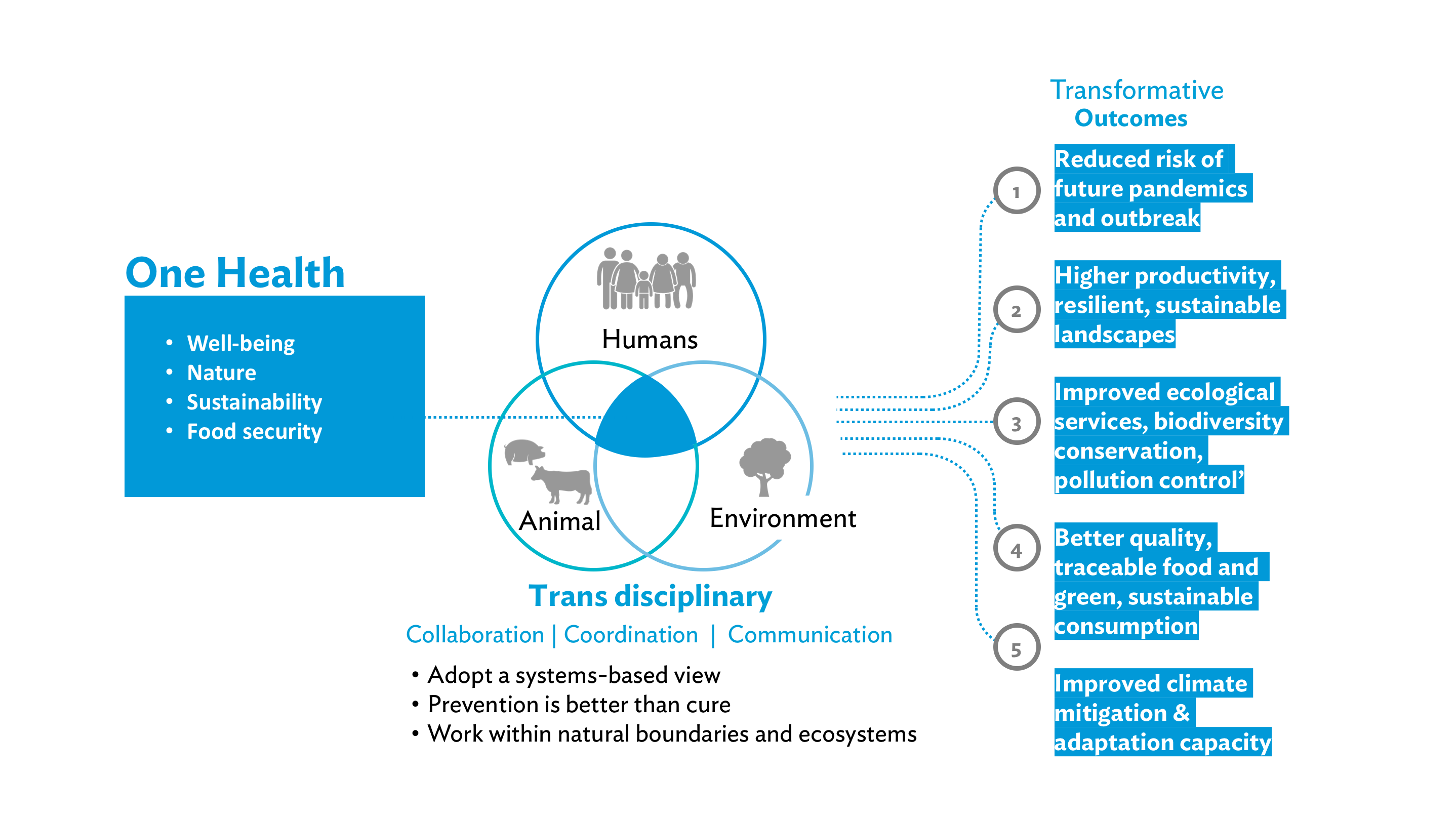
One Health, Zoonotic Spillover, and AI: Building the Early Warning Systems for the Next Pandemic
Seventy-five percent of emerging infectious diseases originate in animals. The One Health framework — integrating human, animal, and environmental health — is the conceptual foundation for pandemic prevention. AI is now the analytical engine that makes One Health surveillance actionable at scale. This post examines the science, the systems, and the governance architecture needed to prevent the next pandemic.
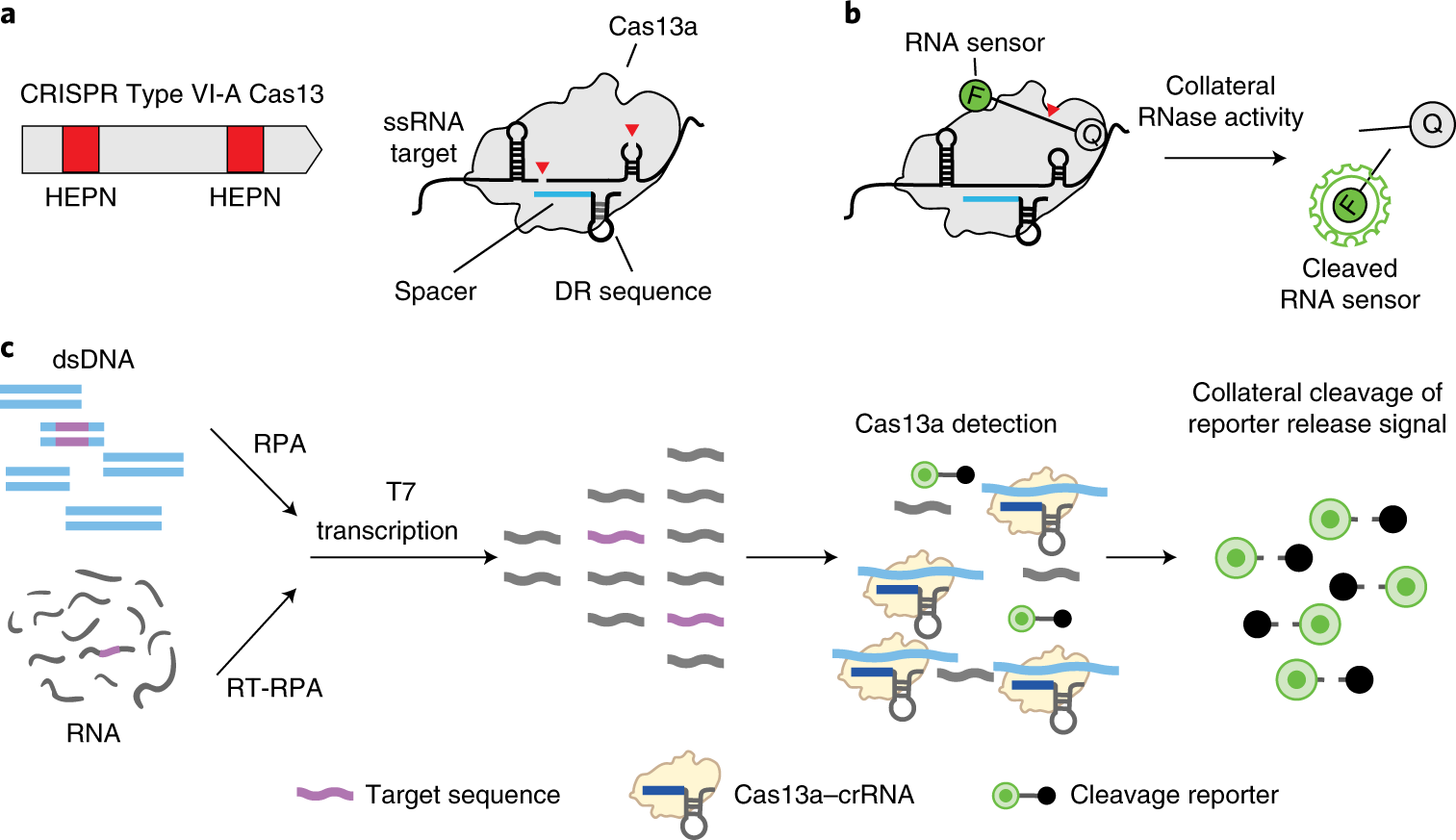
CRISPR Beyond the Cut: How Cas Systems Are Revolutionising Diagnostics, Biosurveillance, and Biosecurity
CRISPR-Cas systems have transcended their gene-editing origins to become powerful molecular sentinels — detecting pathogens in minutes, surveilling biological threats at borders, and reshaping the biosecurity landscape. This post explores the full diagnostic and biosurveillance potential of CRISPR, from SHERLOCK to DETECTR, and the governance challenges that follow.
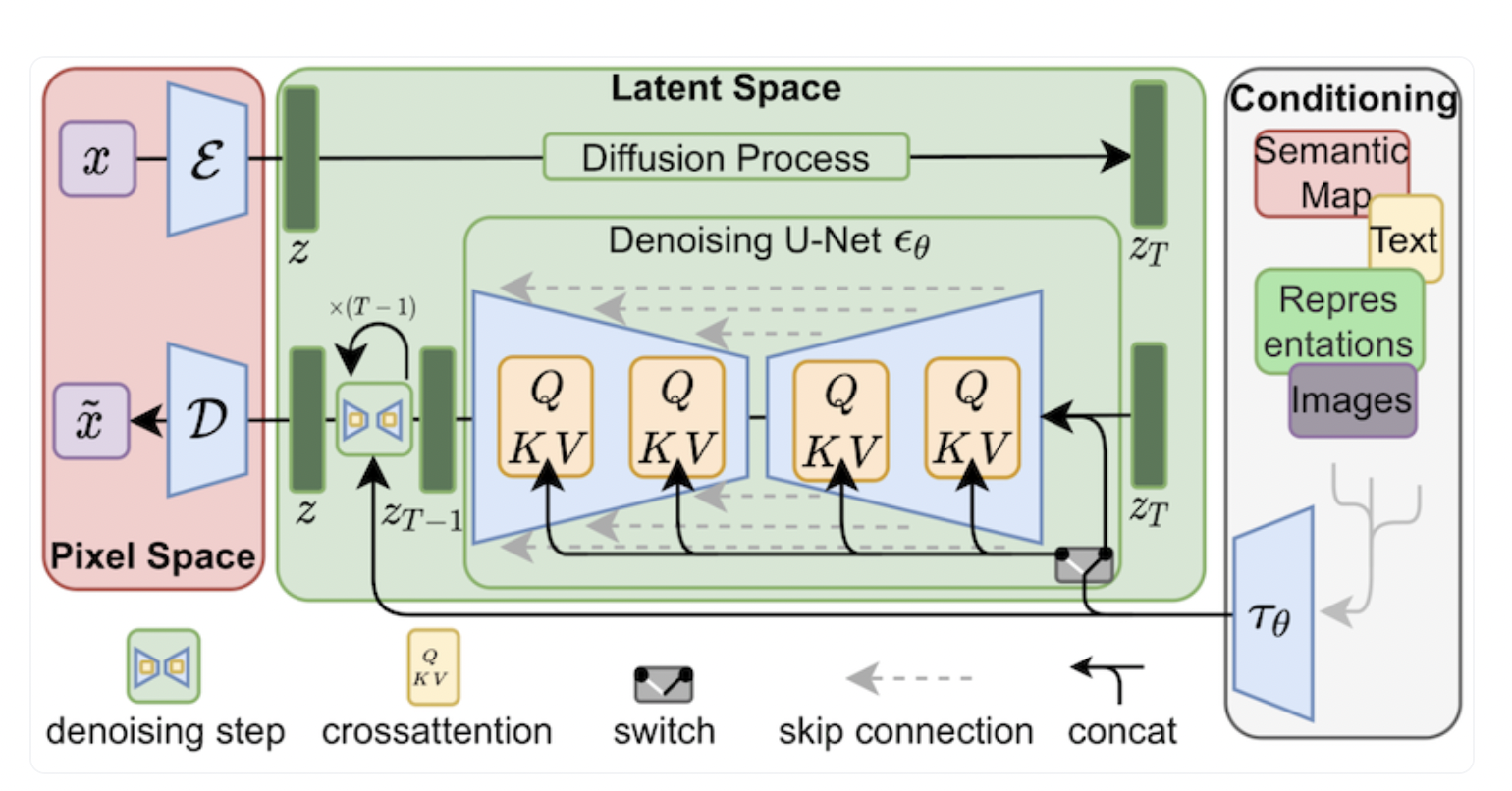
LoRA in the Life Sciences: Fine-Tuning Foundation Models for Biological Discovery
Low-Rank Adaptation (LoRA) is transforming how biological foundation models are fine-tuned for specialised tasks — enabling research institutions, regulatory agencies, and biotechnology companies to adapt billion-parameter models to domain-specific problems with a fraction of the computational cost.
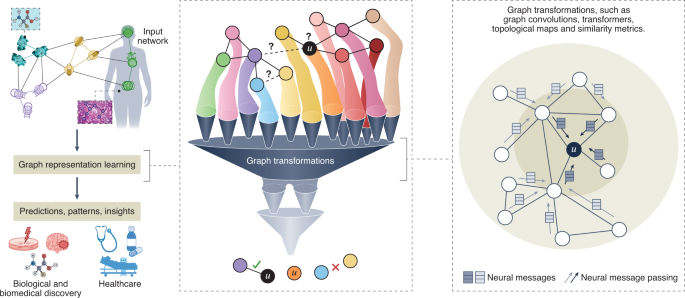
Decoding Graphs: From Isomorphism to Neural Intelligence
From Euler's bridges to graph neural networks, this post traces the intellectual journey from classical graph theory and algorithms to modern neural architectures — exploring how the mathematics of relationships is becoming the language of biological intelligence.
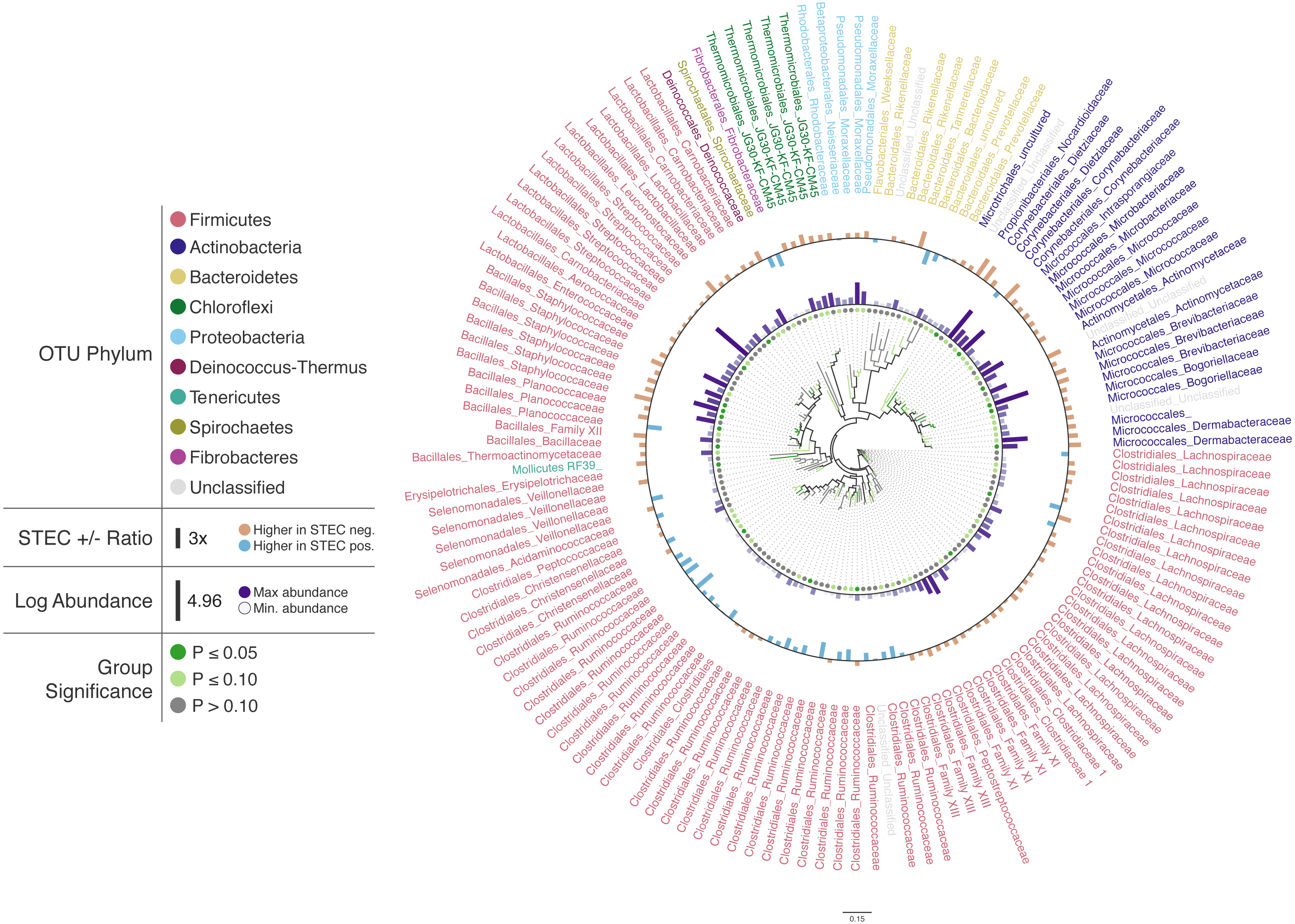
Leveraging Microbial Phylogeny for Computational Efficiency in Bioinformatics
Microbial phylogenetics is no longer just a tool for understanding evolutionary history — it is becoming a powerful computational scaffold that enables faster, smarter, and more biologically meaningful analyses across genomics, drug discovery, and ecological modelling.
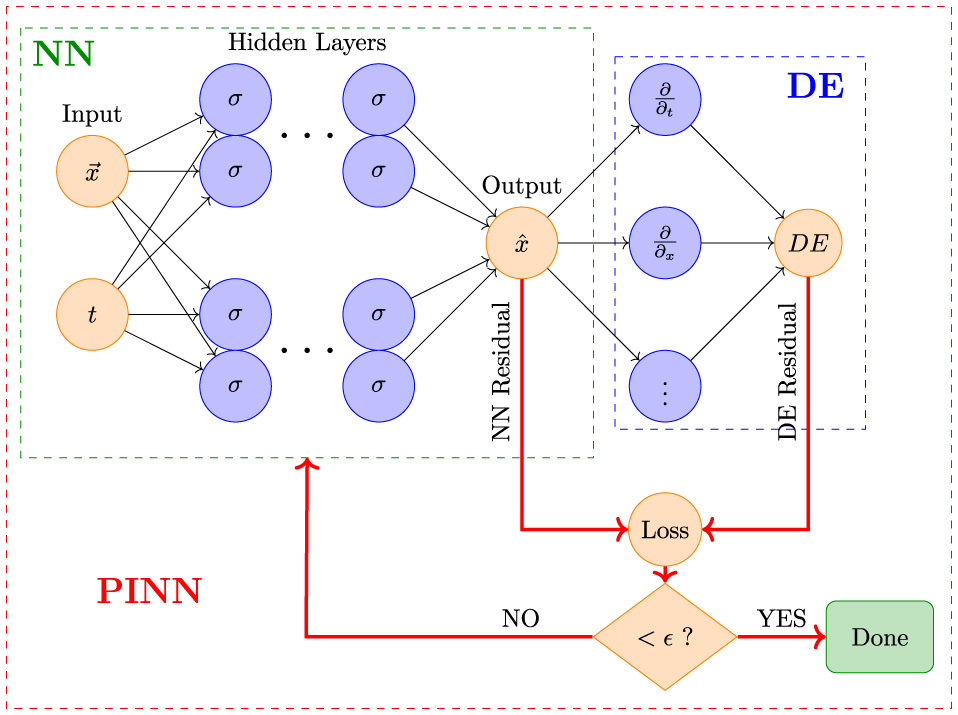
Physics-Informed Neural Networks in Biology: Bridging Differential Equations and Deep Learning for Predictive Science
The most powerful predictive models in biology are not purely data-driven — they are hybrid systems that combine the mechanistic precision of differential equations with the pattern-recognition power of neural networks. Physics-informed neural networks (PINNs) represent a new paradigm for biological modelling that is transforming how we understand disease dynamics, metabolic systems, and ecological processes.
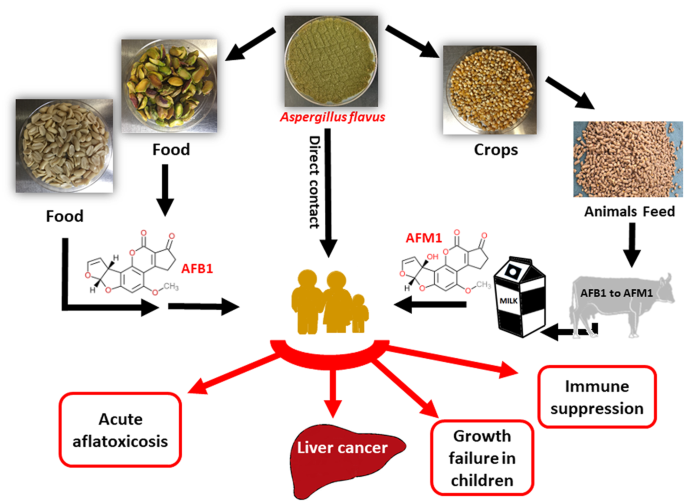
Aflatoxin, Aspergillus flavus, and the AI Revolution in African Food Security: From Molecular Pathogenesis to Predictive Surveillance
Aflatoxin contamination kills tens of thousands of people annually and costs Sub-Saharan Africa billions in lost agricultural output. Research on Aspergillus flavus pathogenesis, combined with emerging AI surveillance systems, points toward a new paradigm for food security in resource-constrained environments — one that integrates molecular biology, remote sensing, and predictive modelling into a unified biosecurity framework.
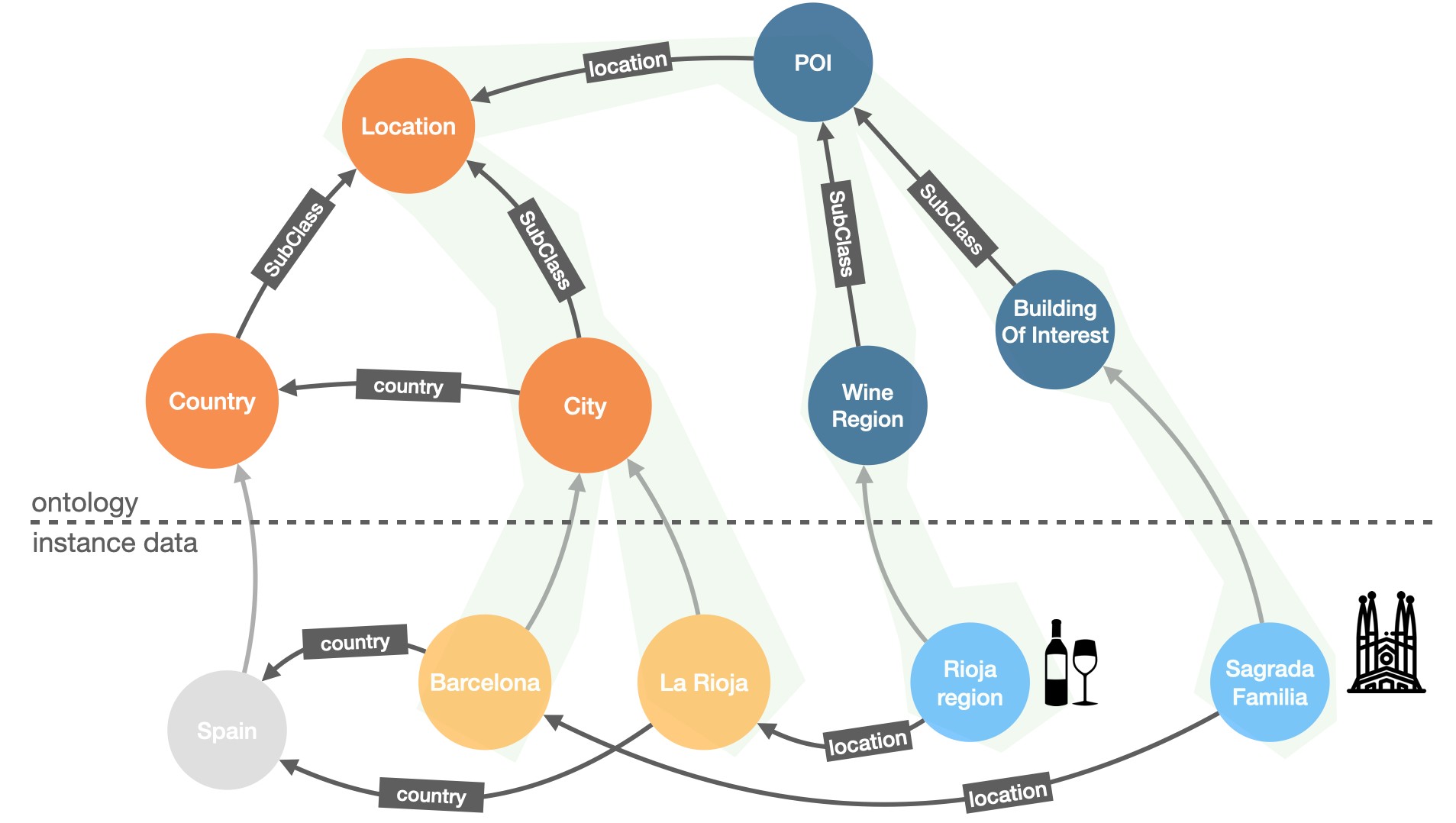
The LLM-Enabling Knowledge Framework (LEKF): A New Paradigm for Structuring Scientific Knowledge in the Age of Large Language Models
Large language models are only as powerful as the knowledge structures they operate within. The LLM-Enabling Knowledge Framework (LEKF) proposes a principled architecture for organising, encoding, and delivering scientific knowledge to AI systems — enabling reproducible, high-quality, and domain-accurate outputs in research, biosafety, and beyond.
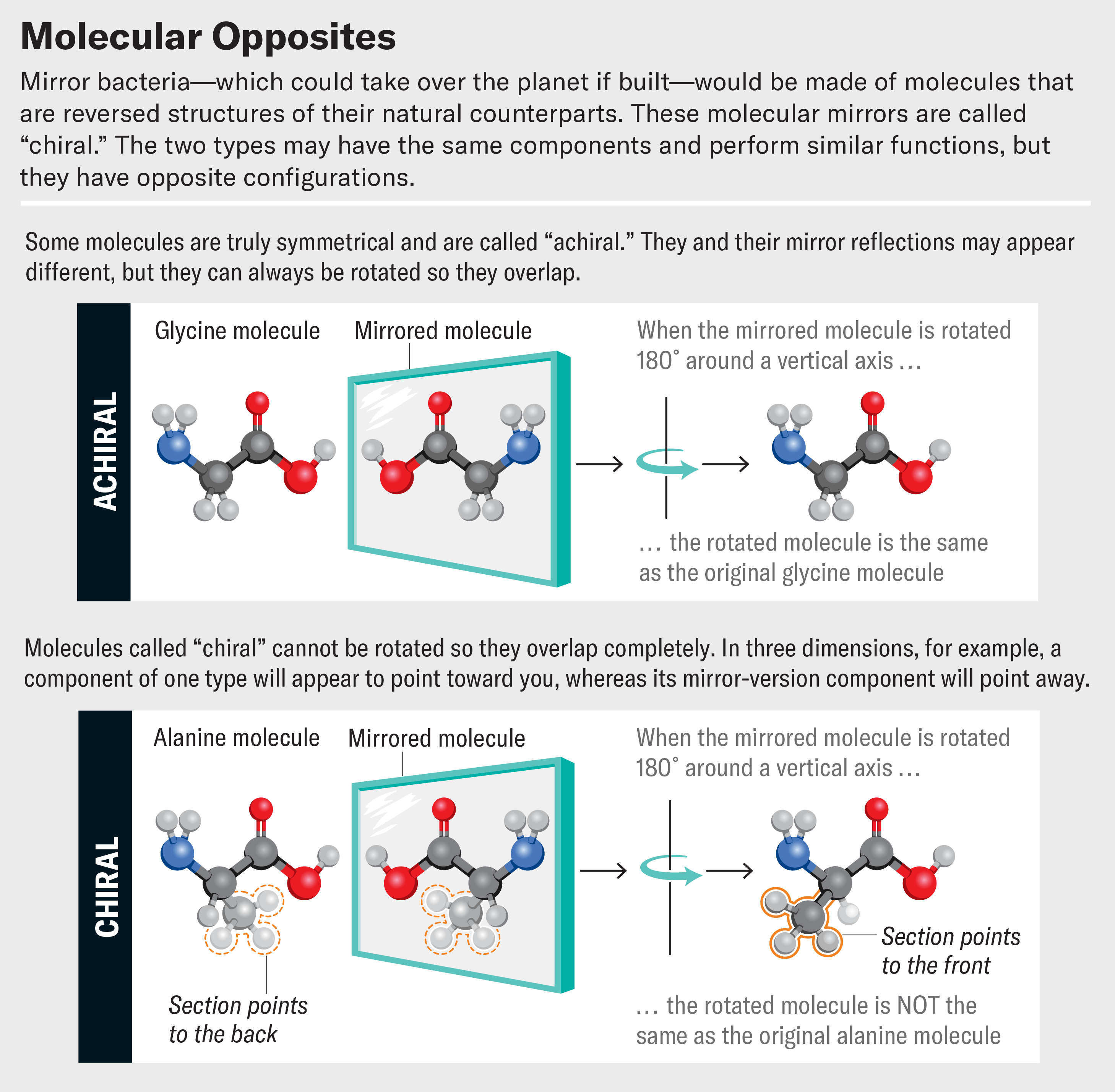
Mirror Life in the Context of AI: Convergent Risks at the Frontier of Biology
Mirror life — organisms built entirely from D-amino acids and L-sugars, the molecular mirror images of natural biology — represents one of the most profound biosafety challenges in the history of science. When combined with AI, the risks become urgently real.
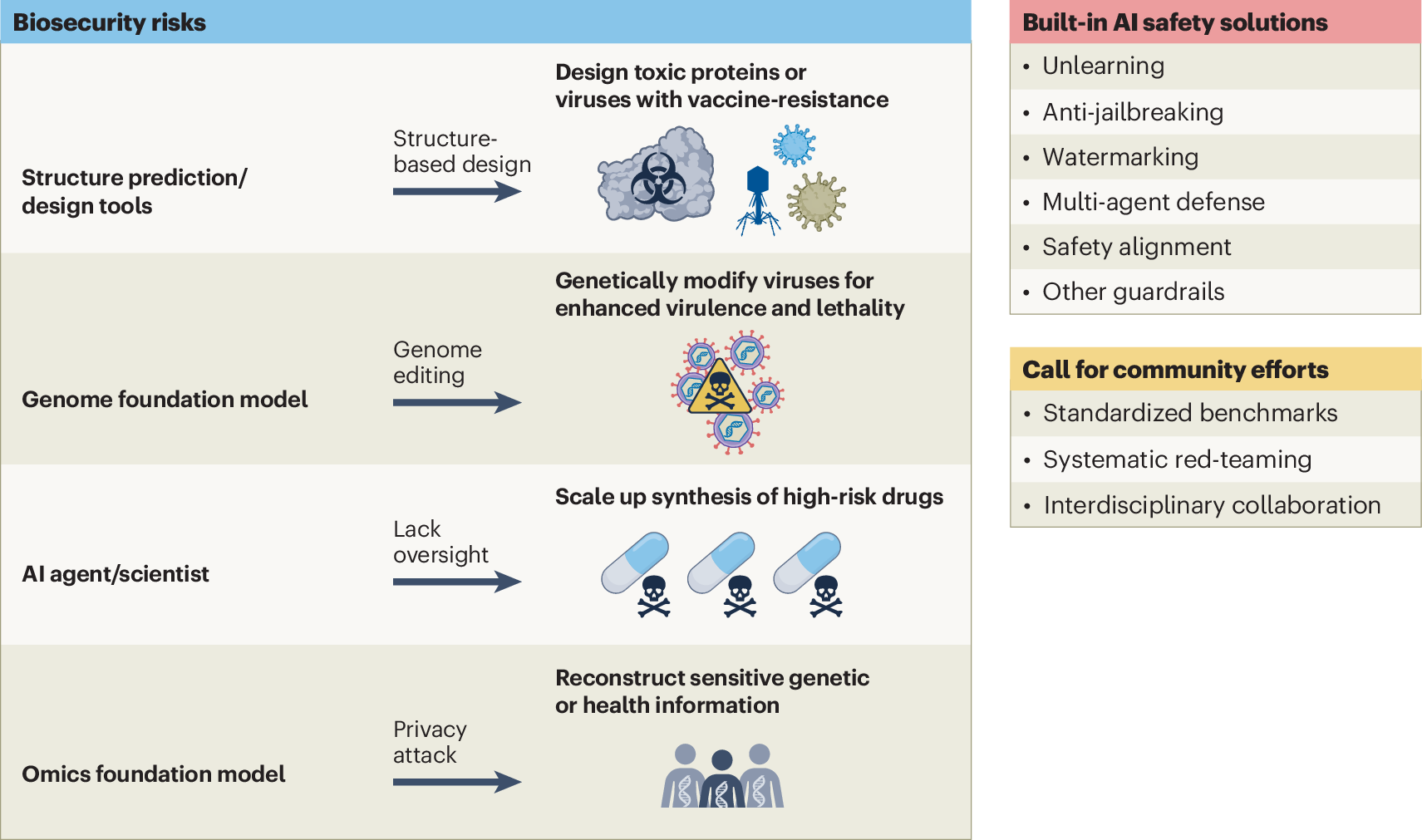
Designing Interventions to Reduce Catastrophic Risks from AI-Enabled Biotechnology
The convergence of artificial intelligence and biotechnology is generating capabilities that could, if misused, enable catastrophic biological events. Designing effective interventions requires moving beyond reactive regulation to anticipatory governance.
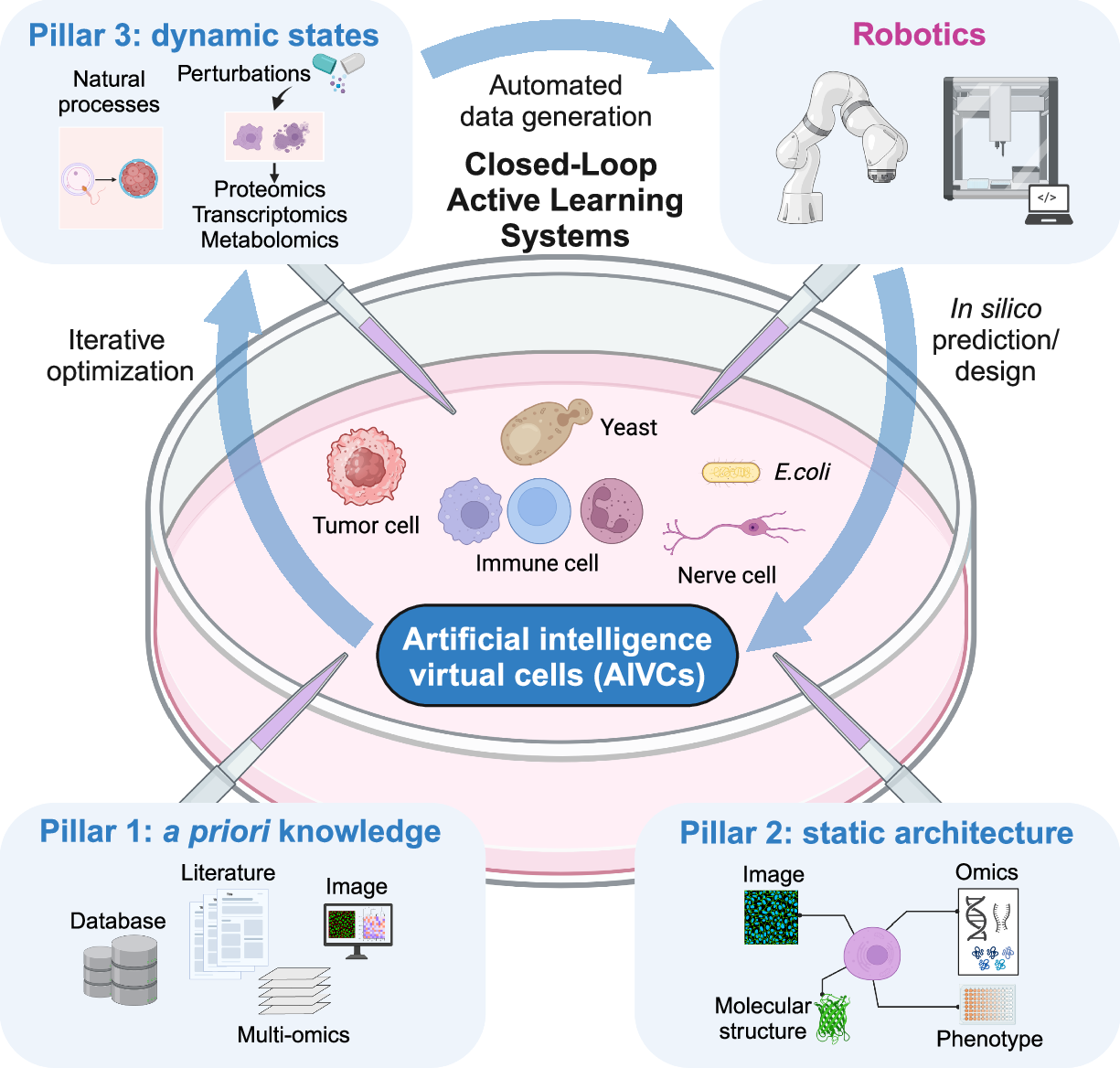
The Role of AI Virtual Cells in Biotechnology: Simulating Life to Engineer It
The AI virtual cell is emerging as one of the most transformative concepts in modern biotechnology — a computational model that simulates the full complexity of a living cell, enabling scientists to predict cellular behaviour, design therapies, and engineer biological systems without touching a single pipette.
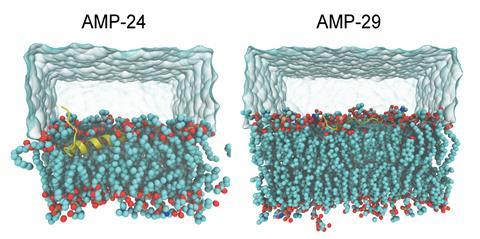
Designing Antimicrobial Peptides with Variational Autoencoders: A Step-by-Step Guide to Generative Biotech
Antimicrobial resistance is one of the most urgent threats to global health, and the pipeline for new antibiotics has been critically underfunded for decades. Generative models — specifically Variational Autoencoders — offer a principled, mathematically grounded approach to designing novel antimicrobial peptides by learning the latent structure of biological sequence space and sampling from it intelligently. This post walks through the full VAE pipeline for AMP design, from architecture to wet-lab validation.
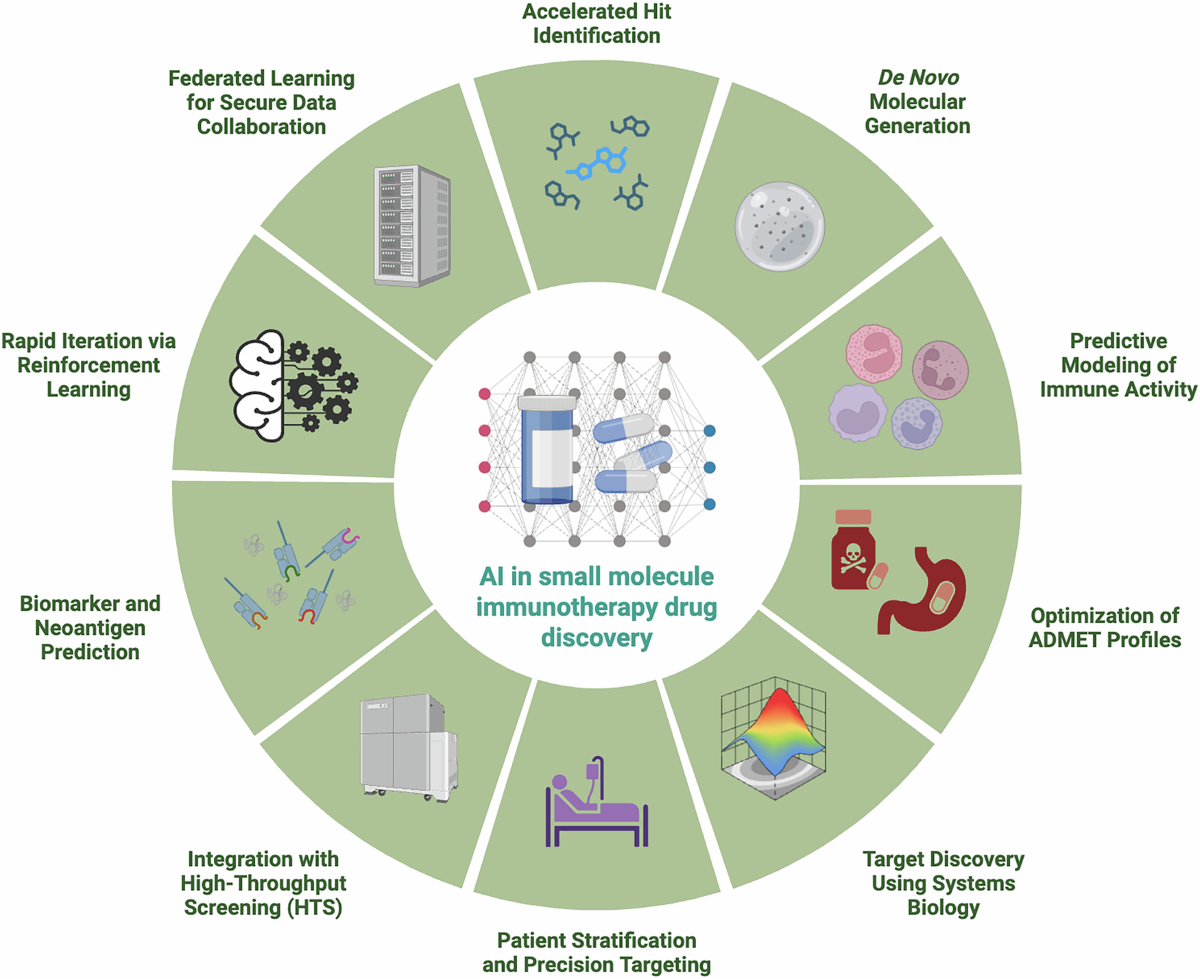
Machine Learning and Deep Learning Methodology in Biotechnology: A Comprehensive Technical Overview
Machine learning and deep learning have moved from peripheral curiosities to central methodological pillars of modern biotechnology. This post provides a rigorous, technically grounded survey of the principal ML and DL methodologies being applied across genomics, drug discovery, protein engineering, metabolic modelling, and biosafety.
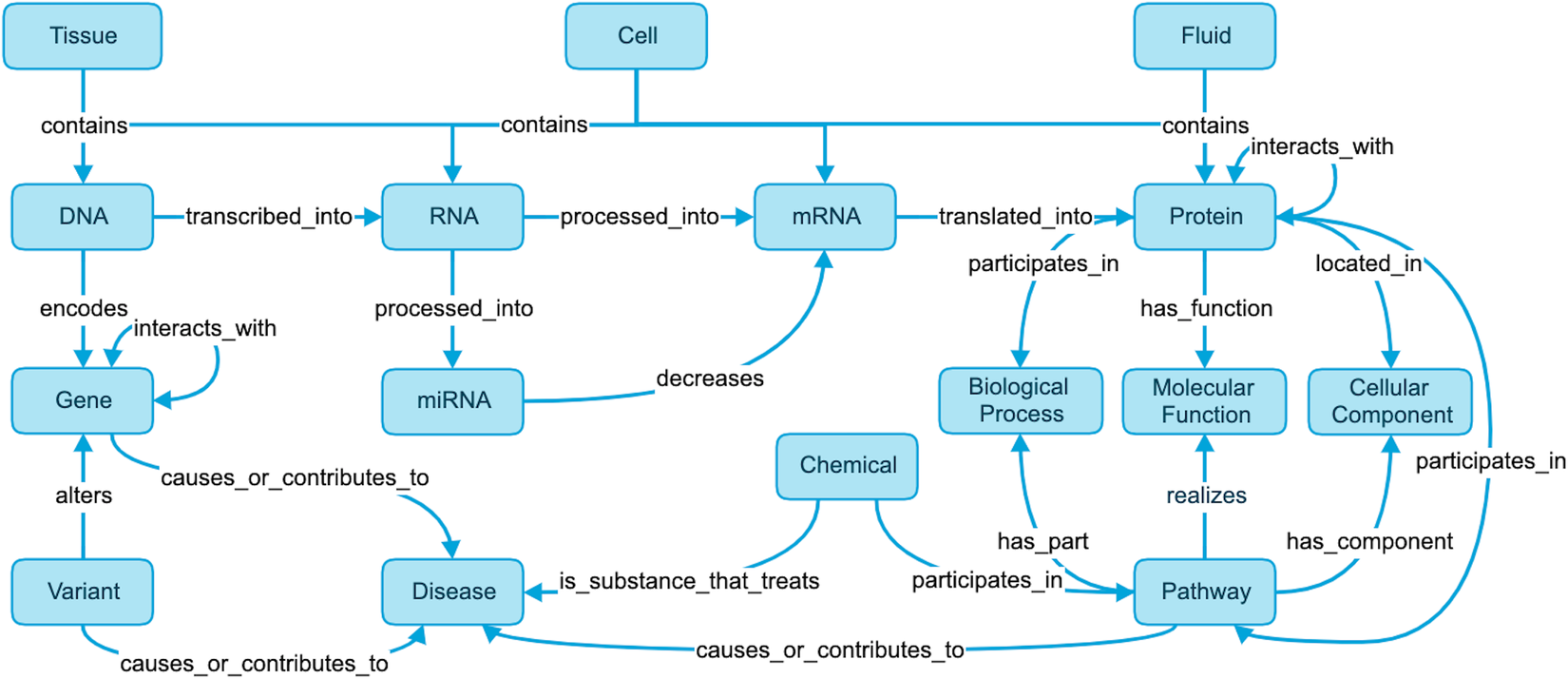
The Scientific Frameworks Architect: A New Role at the Intersection of Biology, Data, and Artificial Intelligence
As the life sciences undergo a fundamental transformation driven by AI, data science, and systems thinking, a new professional role is emerging at the intersection of these disciplines: the Scientific Frameworks Architect. This post examines what this role entails, why it is becoming indispensable, and how it is reshaping the practice of biological science and science policy.
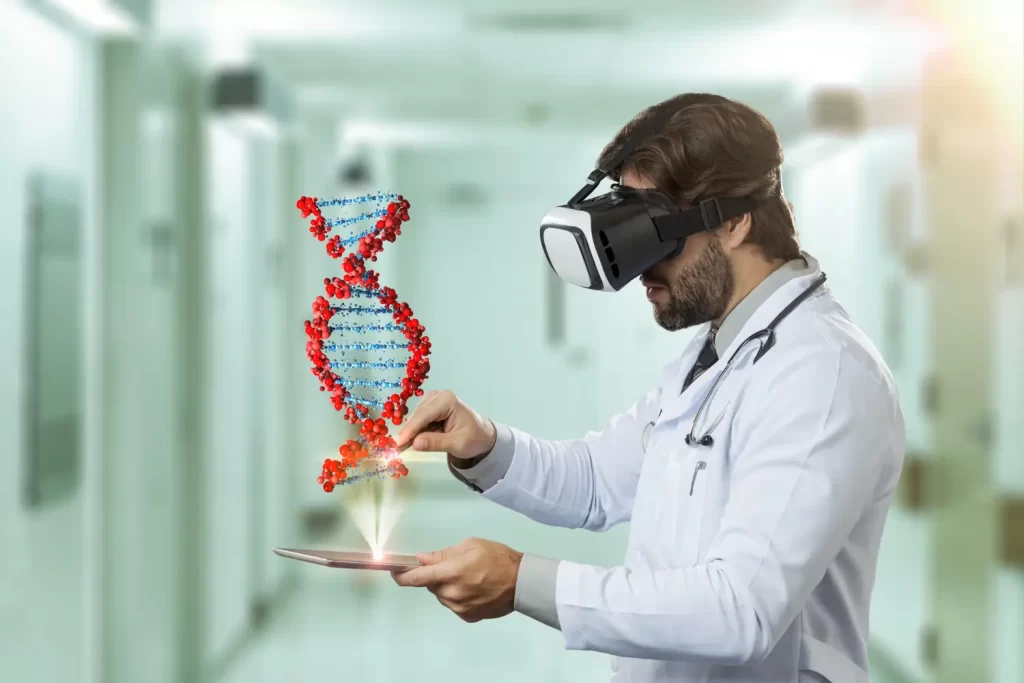
Synthetic Biology Copilots: The AI Systems Redesigning How We Engineer Life
The concept of the AI copilot — an intelligent system that works alongside human experts, augmenting their capabilities rather than replacing them — has transformed software development, medical diagnosis, and legal research. It is now transforming synthetic biology, giving researchers AI-powered design partners that can navigate the vast complexity of biological design space, predict the consequences of genetic modifications, and accelerate the engineering cycle from months to days.
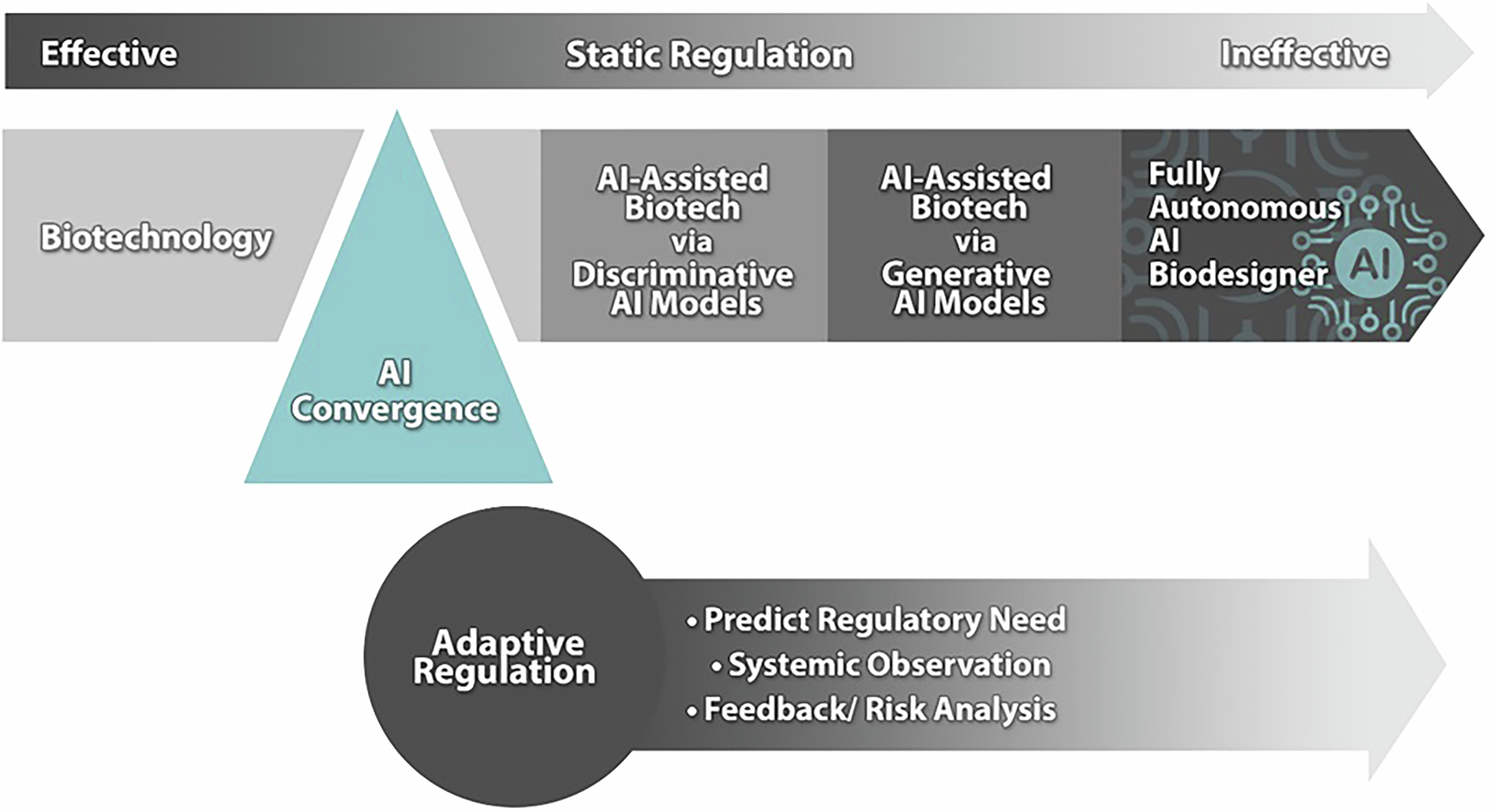
Programmable Biology: How AI Is Transforming Living Systems Into Engineerable Substrates
The concept of programmable biology — the idea that living systems can be designed, modified, and controlled with the precision and predictability of engineered systems — has been the animating vision of synthetic biology since its inception. Artificial intelligence is now making that vision a reality, transforming the relationship between human intention and biological outcome in ways that demand both scientific excitement and careful governance.
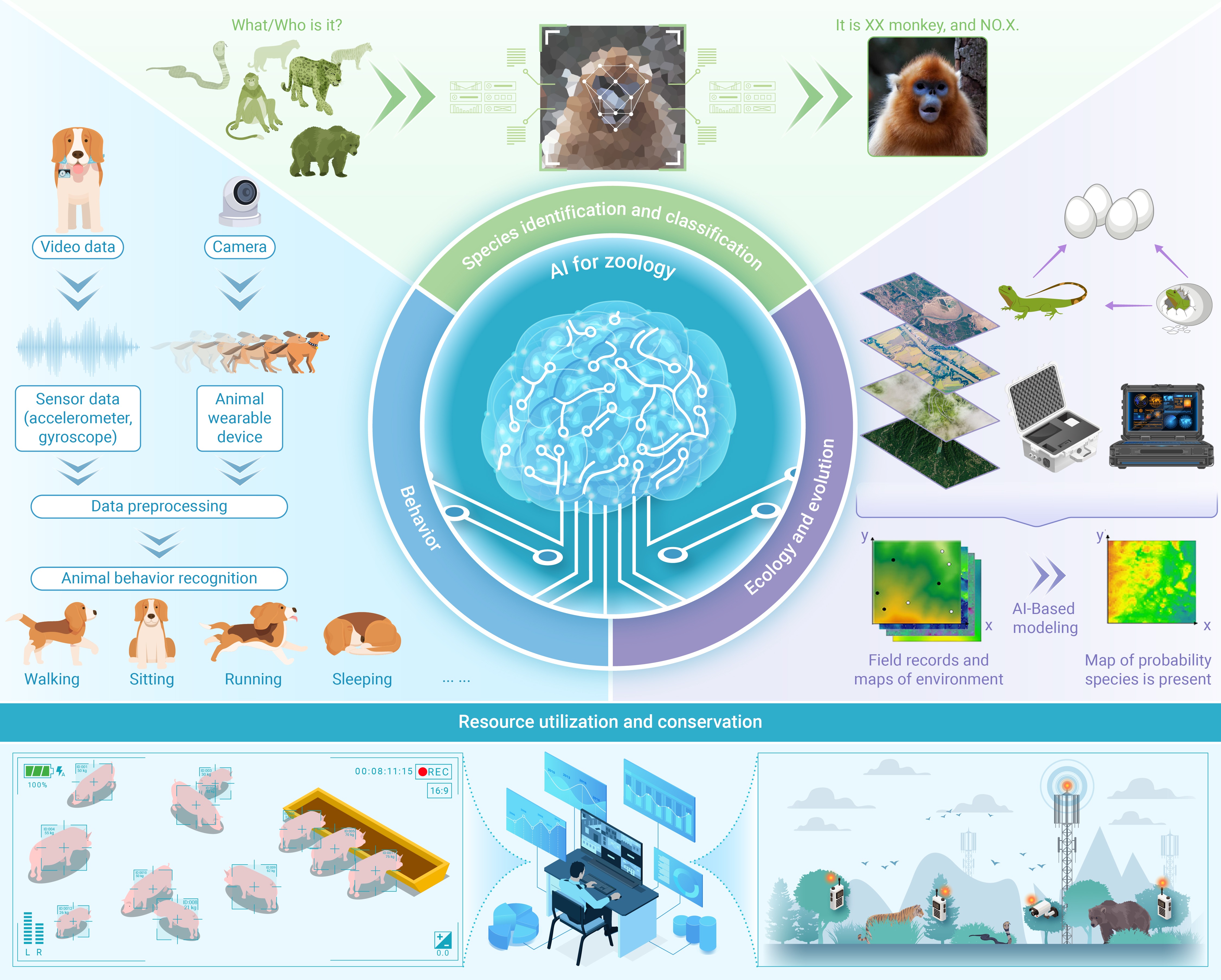
The Operating System of Life: How AI Is Becoming the Core Infrastructure of the Life Sciences
In computing, the operating system is the invisible layer that makes everything else possible — managing resources, mediating between hardware and applications, and providing the common platform on which all higher-level functions run. Artificial intelligence is assuming an analogous role in the life sciences: becoming the foundational infrastructure through which biological knowledge is organised, accessed, and applied across every domain of the discipline.
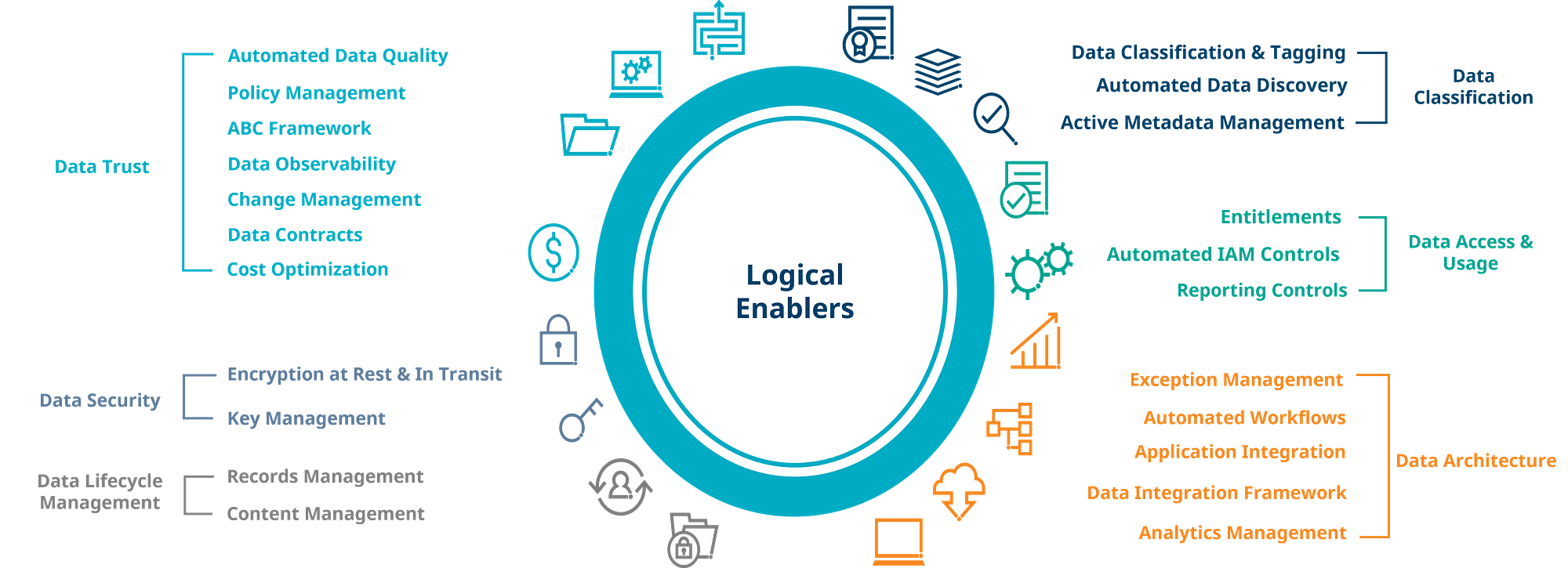
Beyond Open and Closed: A Proposed Tiered Classification Framework for Biological Datasets
The governance of biological data is one of the most consequential and least resolved challenges in contemporary science policy. A new wave of thinking proposes moving beyond binary open/closed distinctions toward a tiered classification system that matches data access controls to the sensitivity, dual-use potential, and provenance of biological datasets — with profound implications for research, biosecurity, and global equity.
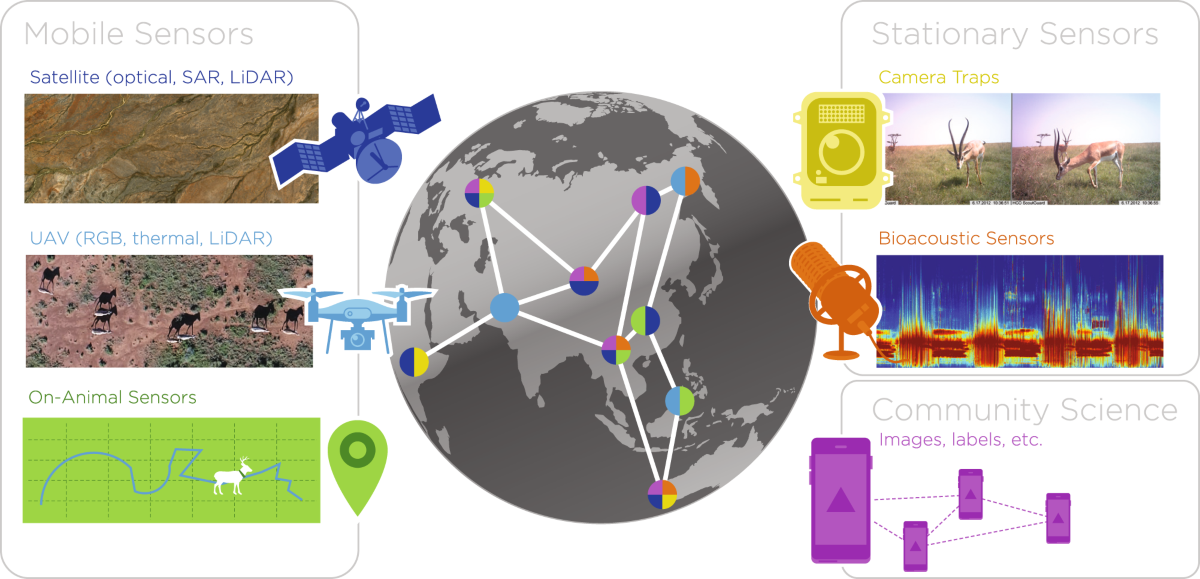
Listening to the Planet: How AI and Environmental Biotechnology Are Transforming Biodiversity Conservation
Biodiversity is collapsing at a rate not seen since the mass extinction events of the geological past. AI and environmental biotechnology are offering new tools to understand, monitor, and reverse this collapse — from eDNA metabarcoding and acoustic biodiversity indices to predictive species distribution models and AI-guided ecological restoration.
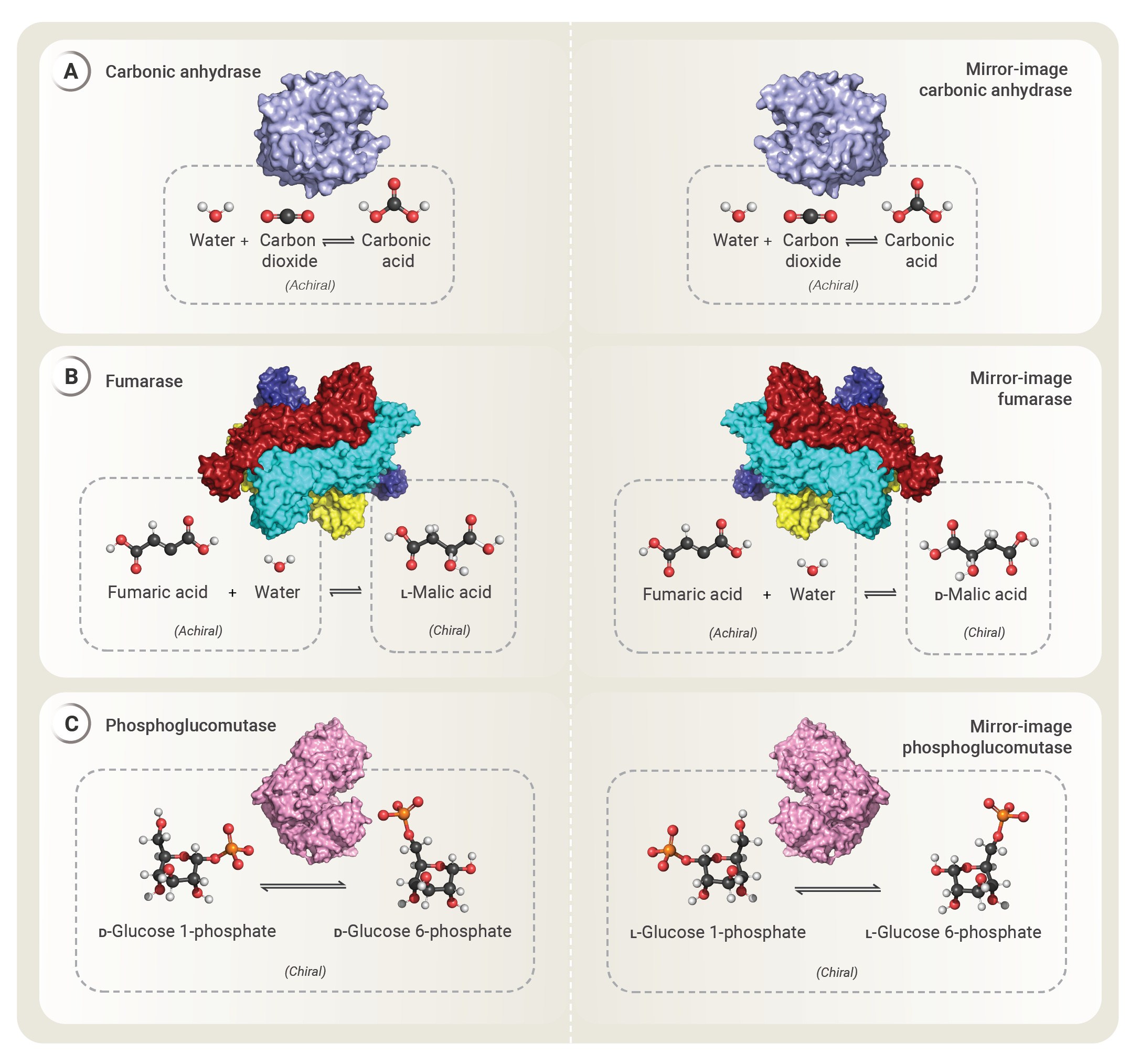
Mirror Life: The Science, Promise, and Profound Biosafety Implications of Mirror-Image Bacteria
Mirror bacteria — microorganisms built entirely from D-amino acids and L-sugars, the chemical mirror images of natural life — represent one of the most audacious and consequential frontiers in synthetic biology. Their potential applications in medicine and biotechnology are extraordinary. Their biosafety implications may be even more so.
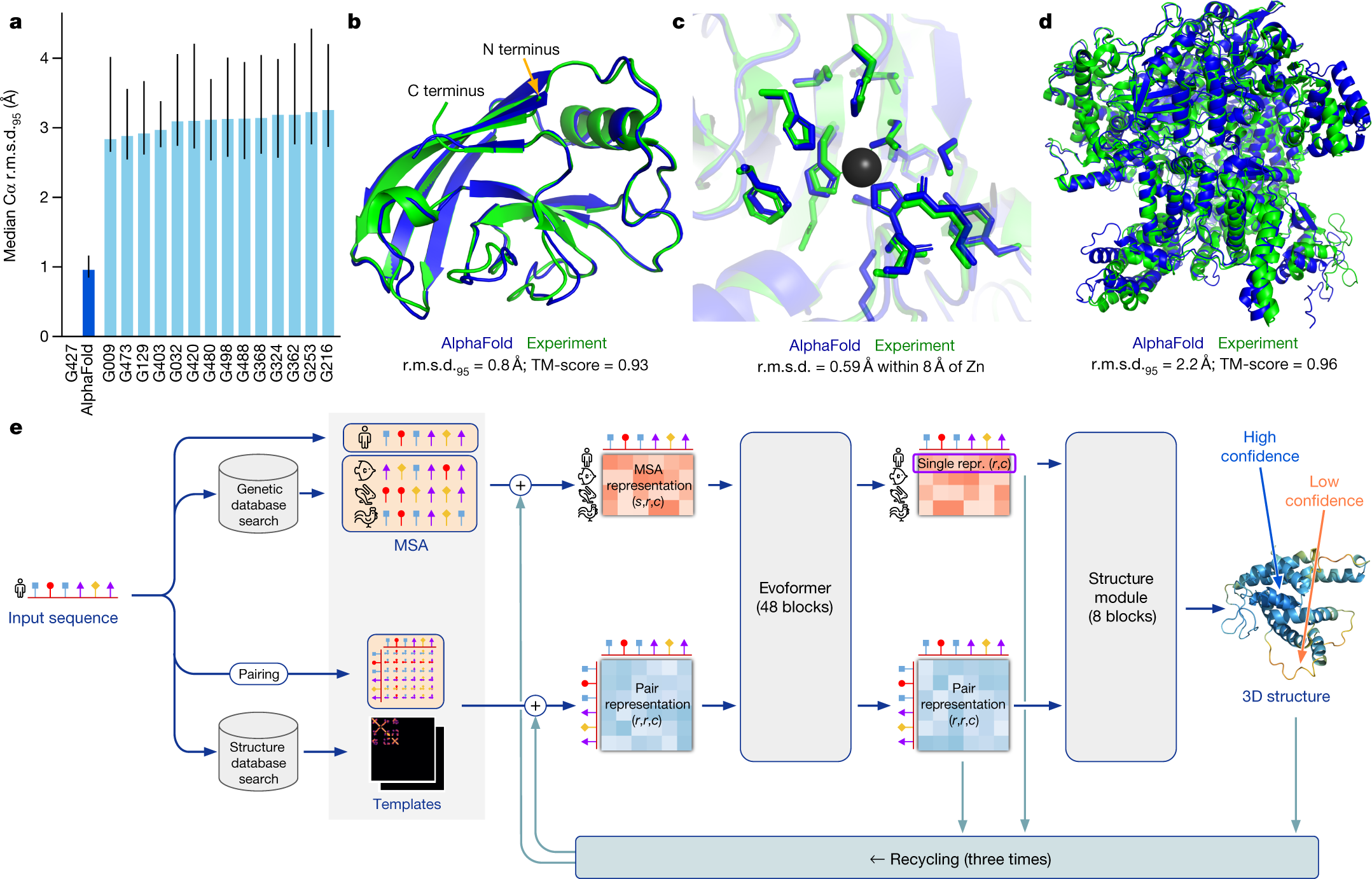
From Sequence to Function: How Machine Learning Is Transforming SNP Analysis, Single-Cell RNA-Seq, and Protein Structure Interpretation
The biological data revolution has outpaced our ability to interpret it. Machine learning is closing that gap — enabling researchers to identify disease-associated SNPs with greater precision, resolve the transcriptional heterogeneity of single cells, and predict protein structure and function from sequence alone. This post examines the state of the art across three of the most consequential applications in modern molecular biology.
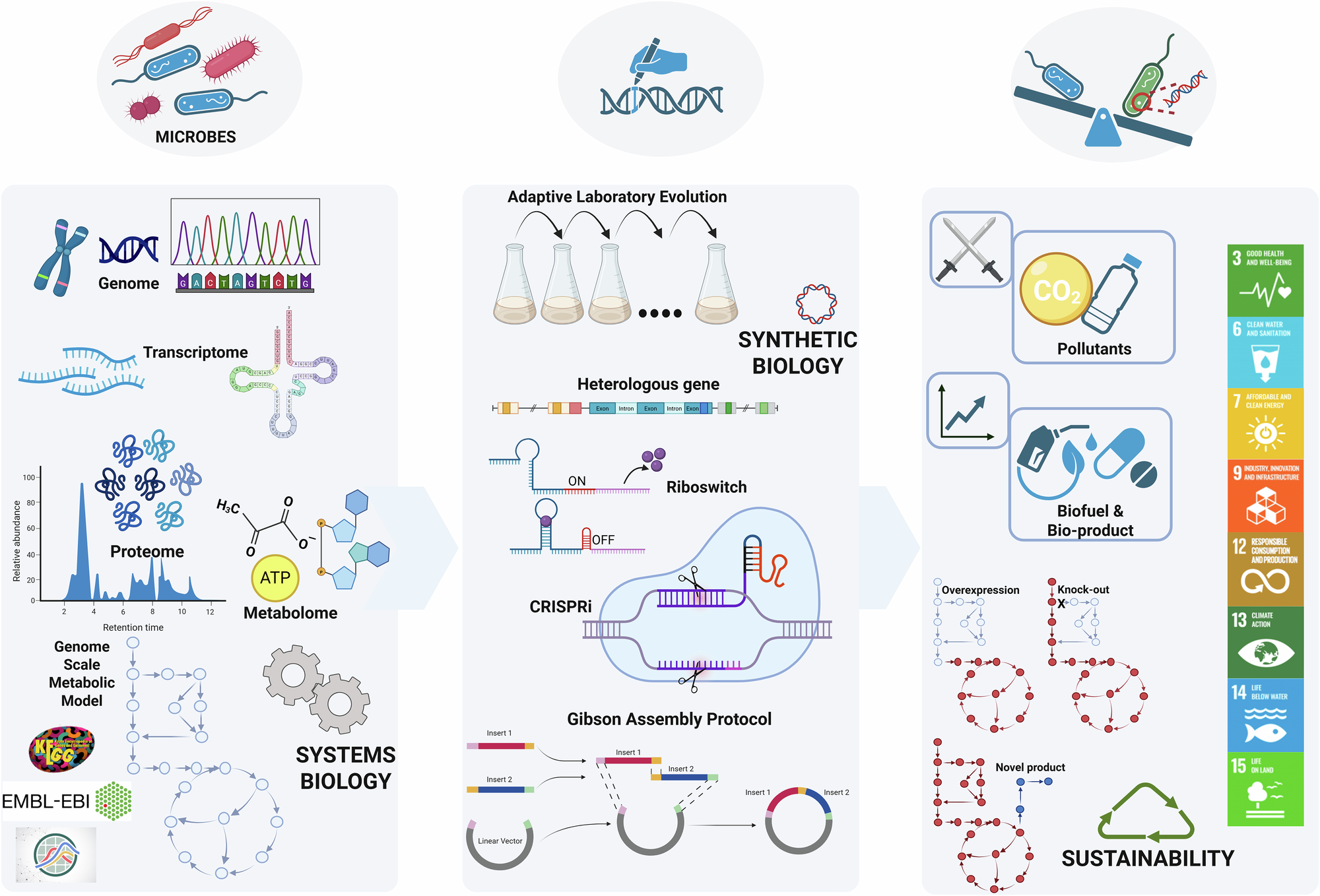
Engineering Abundance: How AI Is Optimising Microbial Metabolic Pathways to Produce Bioplastics and Beyond
Microorganisms have been chemical factories for billions of years. Artificial intelligence is now giving scientists the tools to redesign those factories with unprecedented precision — accelerating the production of polyhydroxyalkanoates (PHAs), biofuels, and other high-value compounds while reducing the trial-and-error that has historically slowed metabolic engineering.
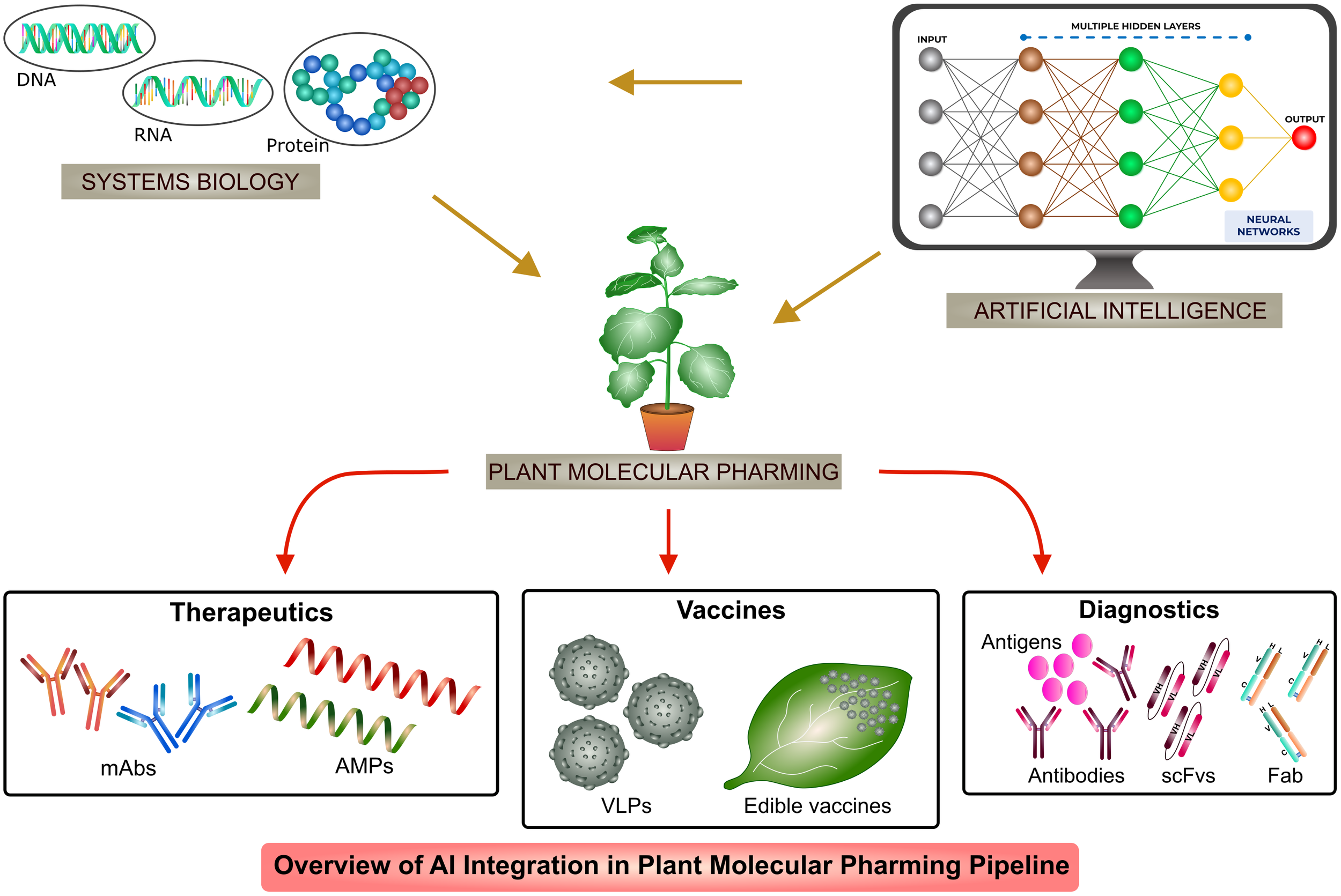
Precision Against Myth: Using Machine Learning and LoRA Fine-Tuning to Debunk GMO Misinformation
Genetically modified organism (GMO) misinformation persists across social media, news platforms, and public discourse despite decades of scientific consensus. This post explores how machine learning — and specifically Low-Rank Adaptation (LoRA) fine-tuning — is being deployed to identify, counter, and contextualise GMO myths at scale.
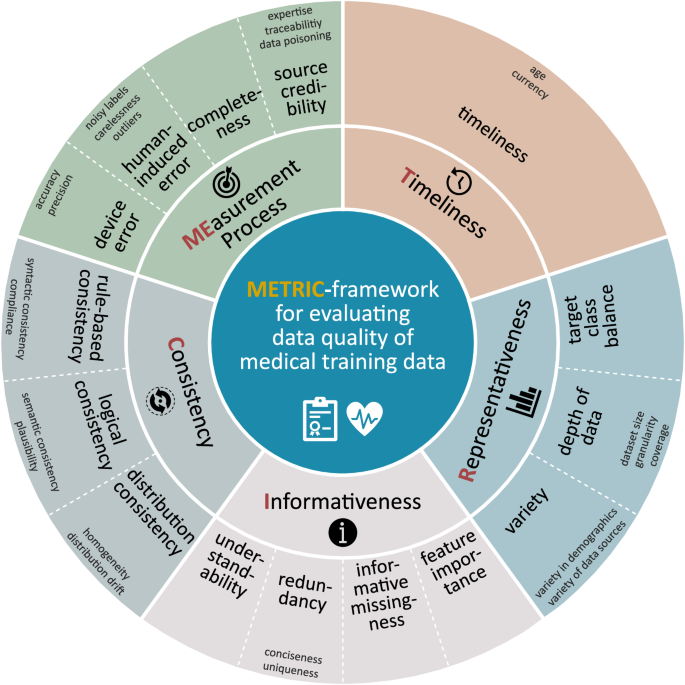
Data Informatics Bioframeworks: Structuring Biological Knowledge for the Age of AI
The explosion of biological data has created both an opportunity and a crisis. Data informatics bioframeworks offer a principled approach to organising, interpreting, and operationalising this data — transforming fragmented information into actionable scientific intelligence.
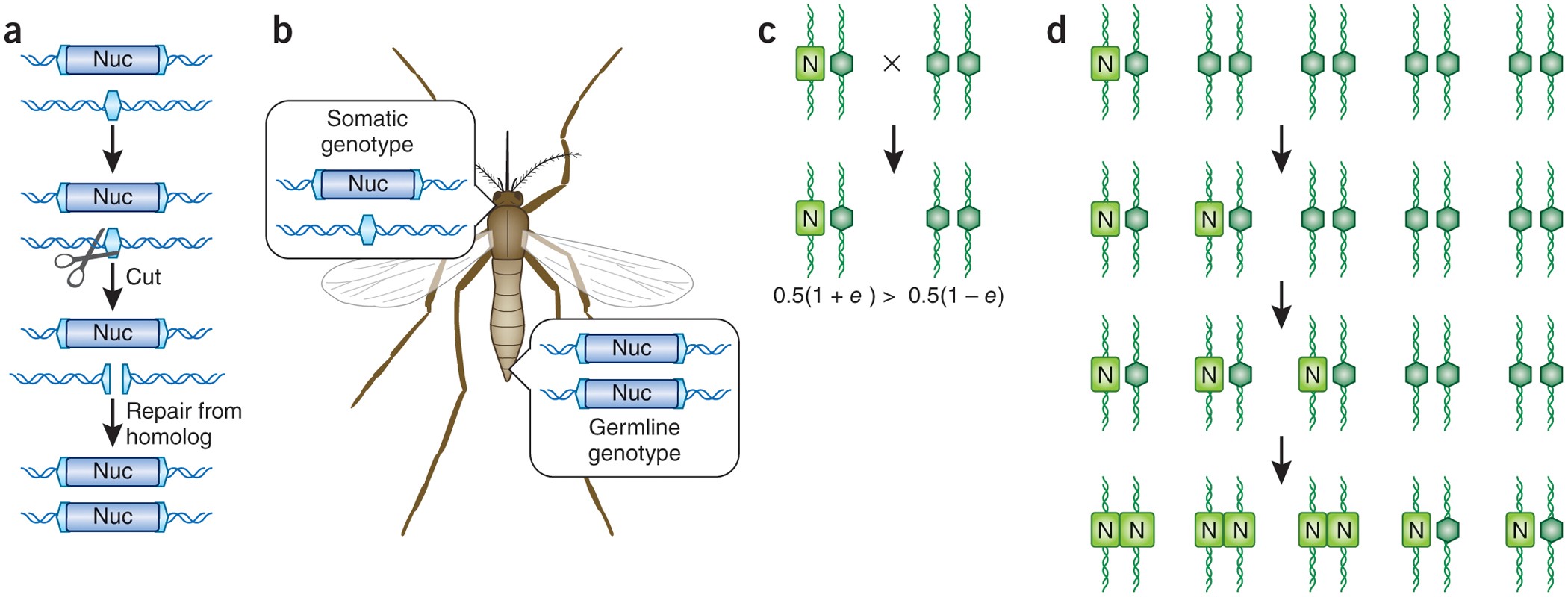
Gene Drives: The Technology That Could Rewrite Ecosystems — and the Governance Challenge It Poses
Gene drives represent one of the most powerful and controversial tools in modern biology — capable of spreading engineered traits through wild populations with unprecedented speed. Understanding both their potential and their risks is essential for responsible governance.
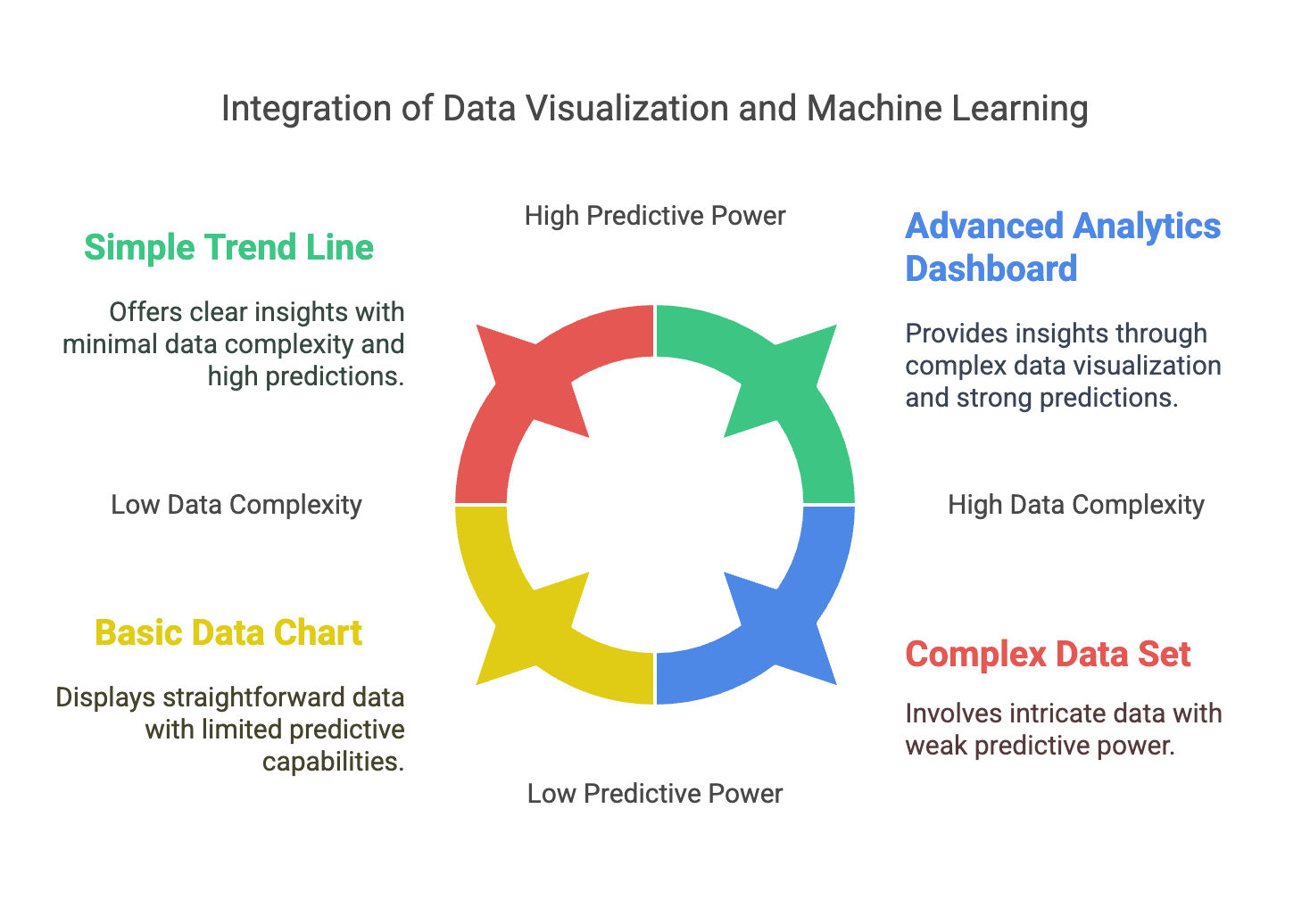
Beyond the Jargon Wall: How Machine Learning Is Transforming Science Communication
Science communication has long struggled with the gap between expert knowledge and public understanding. Machine learning is now offering tools to bridge that divide — with implications for policy, public health, and the future of scientific literacy.

Biomimicry: Learning from 3.8 Billion Years of Evolutionary Engineering
Evolution has been solving engineering problems for nearly four billion years. Biomimicry is the discipline that asks: what can we learn from the solutions it has already found?
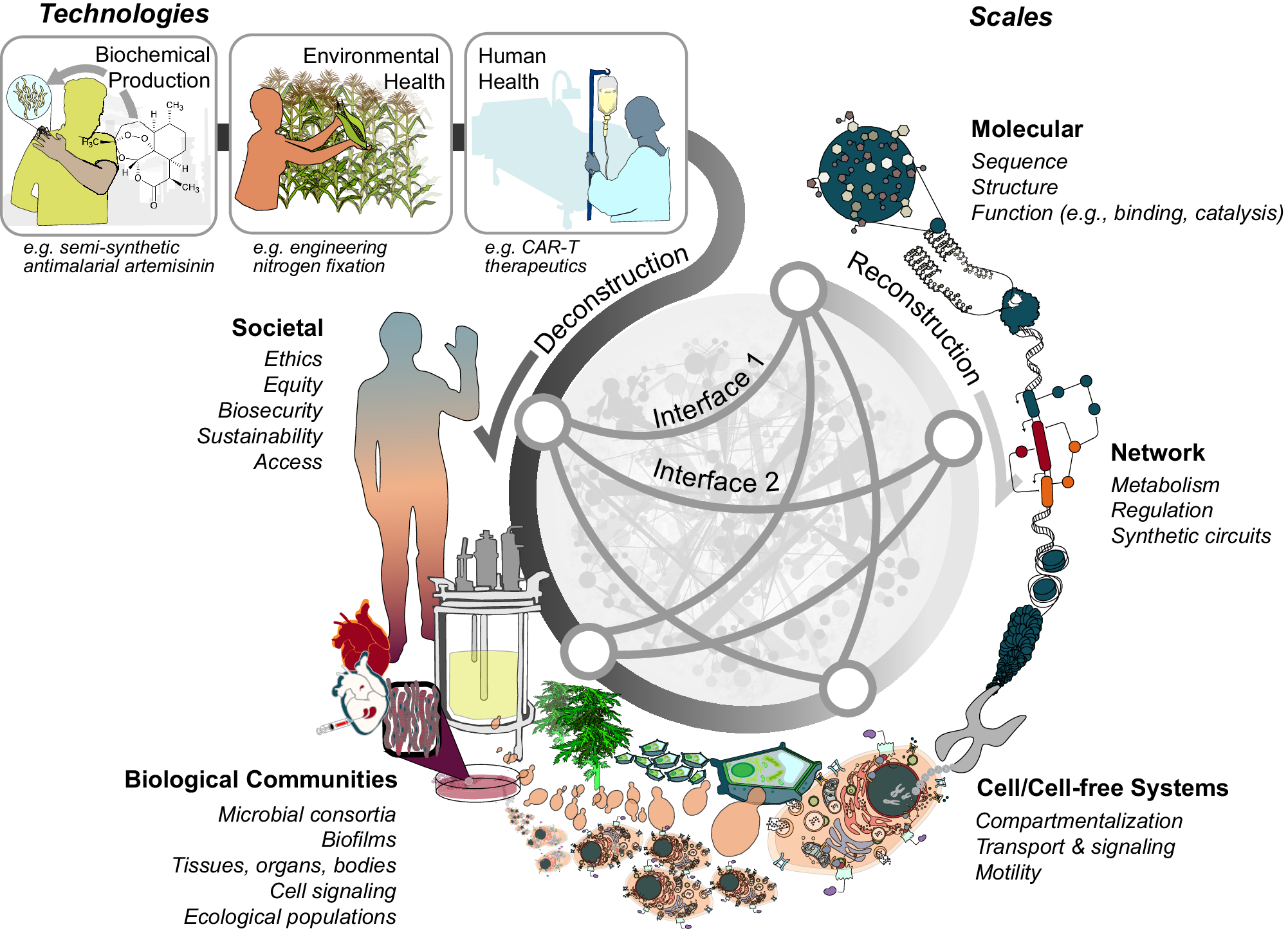
Biodesign: Engineering Life at the Intersection of Biology and Human Need
Biodesign represents a paradigm shift in how we approach the creation of materials, systems, and solutions — drawing directly from the logic of living organisms to address humanity's most pressing challenges.
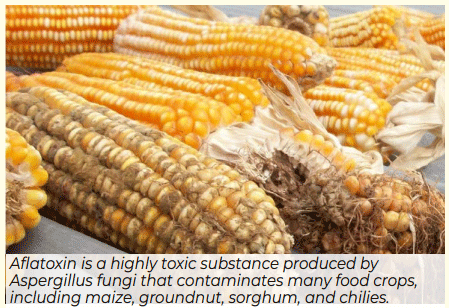
Mycotoxin Biosecurity in Sub-Saharan Africa: The Role of Genomics and AI
Mycotoxins contaminate an estimated 25% of the world's food supply, and Sub-Saharan Africa bears a disproportionate burden. This post examines how the convergence of whole-genome sequencing, population genomics, and machine learning is transforming our ability to detect, predict, and prevent aflatoxin and fumonisin contamination — and what governance and capacity investments are needed to translate scientific advances into real-world food security outcomes.
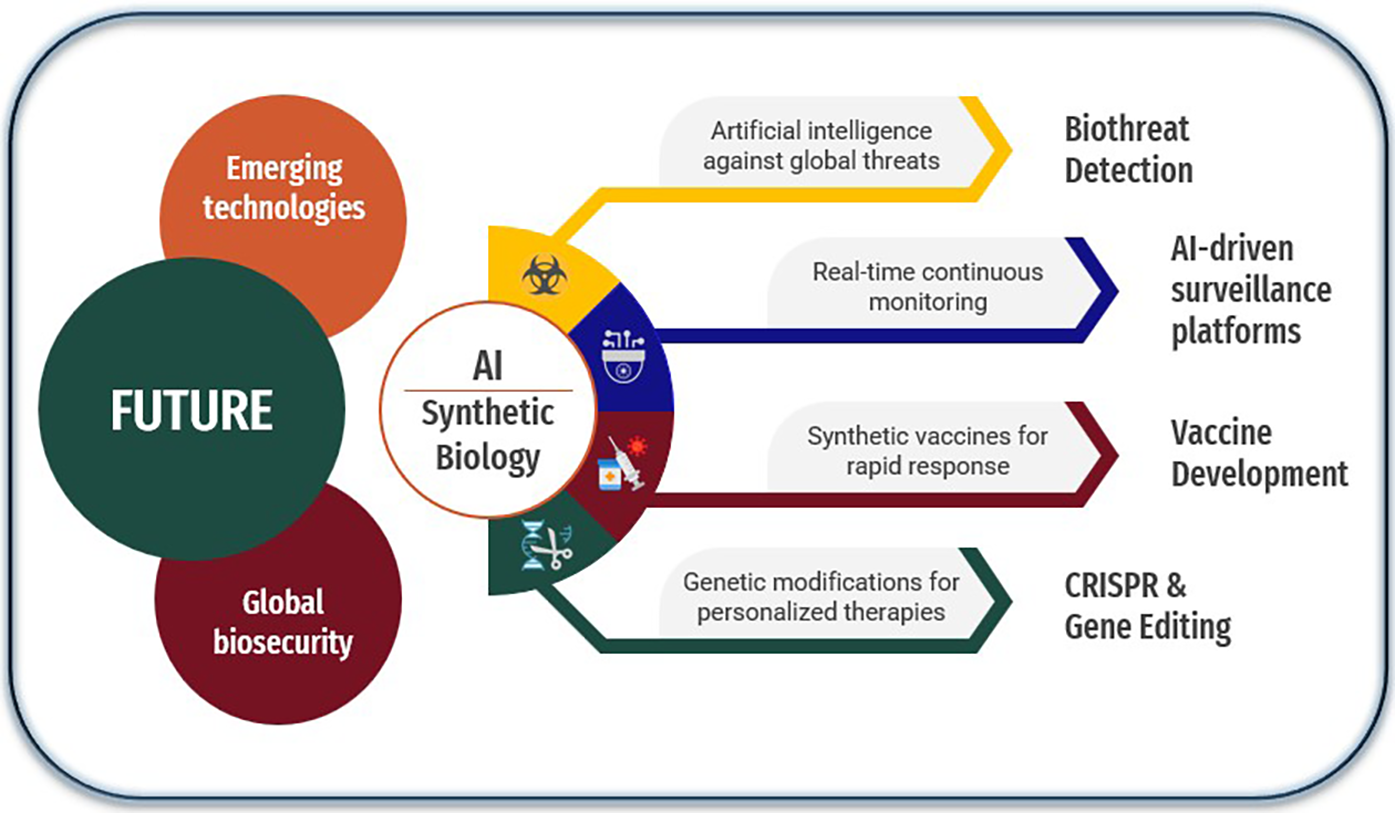
AI at the Intersection of Biosecurity: Opportunities and Risks
Artificial intelligence is reshaping biosecurity — accelerating pathogen surveillance, enabling genomic threat assessment, and compressing countermeasure development timelines. Yet the same capabilities that empower defenders can lower barriers for bad actors. This post examines the dual-use dilemma of AI in biosecurity and charts a path toward responsible governance.
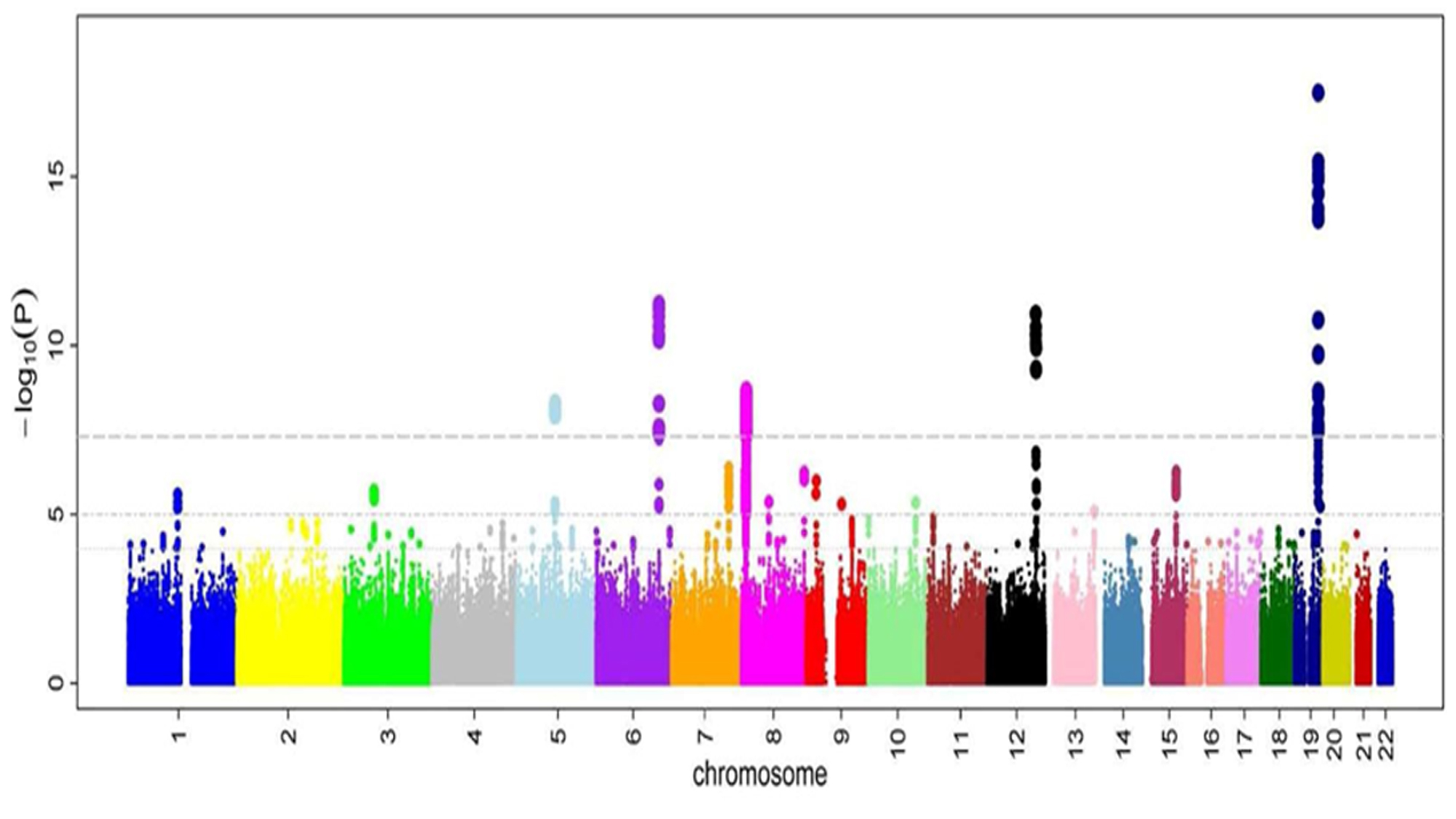
Statistical Genomics: The Analytical Backbone of Modern Biological Discovery
Statistical genomics has become the indispensable analytical backbone of modern biological research — transforming raw sequence data into actionable knowledge about disease, inheritance, and the molecular machinery of life. This post explores GWAS, QTL analysis, polygenic risk scores, and the frontier of AI-driven genomics.
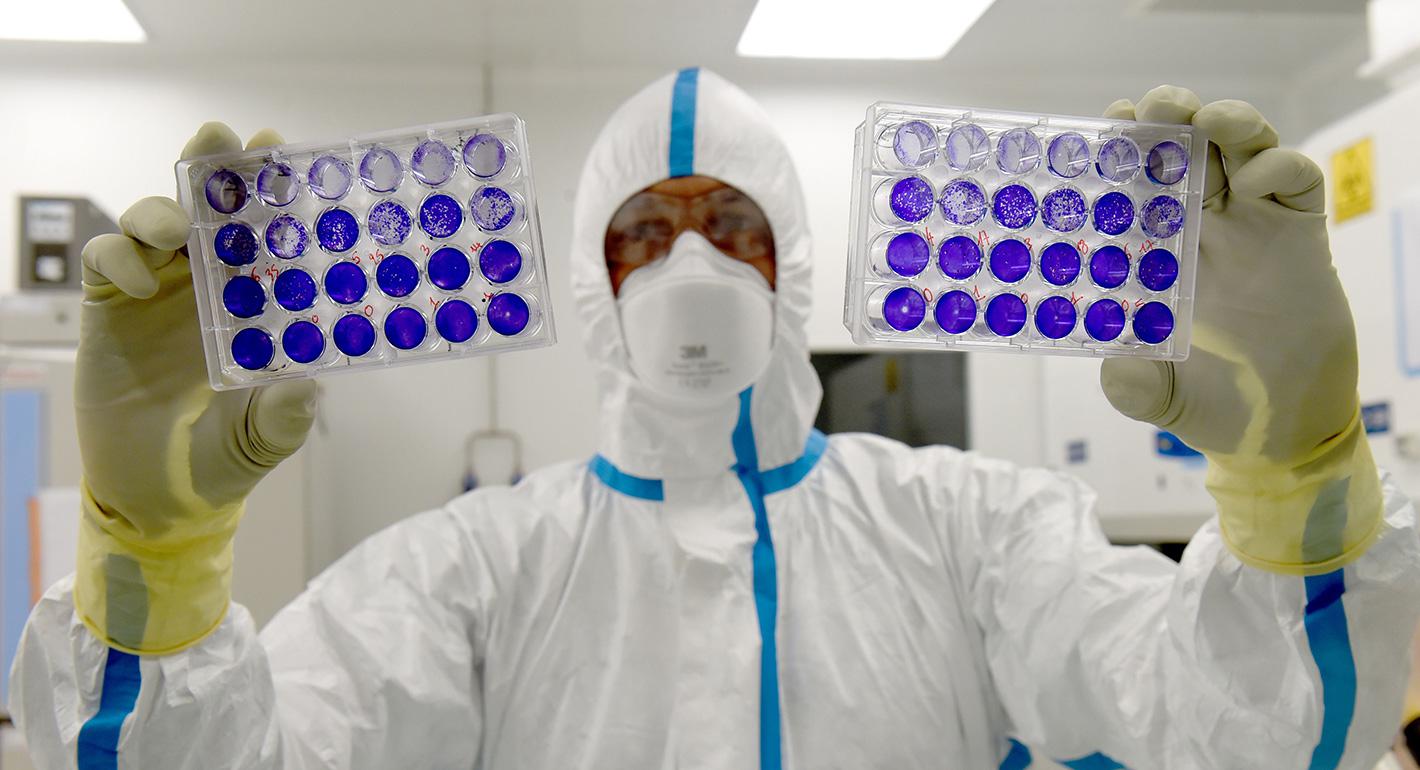
Science’s Double-Edged Sword: Understanding Dual Use Research of Concern
Scientific research has consistently pushed the boundaries of human knowledge, leading to medical breakthroughs, agricultural advancements, and technological marvels. However, not all research is inherently benign. A critical subset of scientific inquiry exists in a gray area where the very knowledge intended to save lives could, if misapplied, cause catastrophic harm. This paradox is the core of Dual Use Research of Concern (DURC).
Stay Informed
Get the latest insights on biosafety, AI in drug discovery, wastewater surveillance, and biotechnology policy delivered directly to your inbox.